

If you've recently lost a family member and there's a house involved, you're probably wondering how soon things need to move. A probate house sale in Texas can feel slow, and real estate doesn't wait — property taxes keep coming, insurance needs attention, and the market doesn't pause for court proceedings. For buyers considering buying probate property, understanding the executor's timeline is equally important.
So the question comes up a lot: Can the executor sell the house before probate is actually finished?
The short answer is yes — in most cases, a Texas executor can sell a house during the probate process, and in fact, that's when the majority of estate property sales happen. But the details matter, and they depend heavily on how the estate is being administered.
Let's walk through what that means in practical terms.
This article provides general information about Texas probate law and is not legal advice. Every estate is unique. Consult a licensed Texas probate attorney for guidance specific to your situation. Laws and court interpretations can change.
What "Before Probate Is Finished" Actually Means
First, it helps to understand that "probate" isn't one single event. It's a process that starts when someone dies and their estate goes through the court system, and it ends when the court officially closes the estate. In Texas, that process can take anywhere from a few months to over a year, depending on the complexity of the estate [5].
The key milestones that matter for selling a house are:
- Probate is filed — The executor files an application with the probate court.
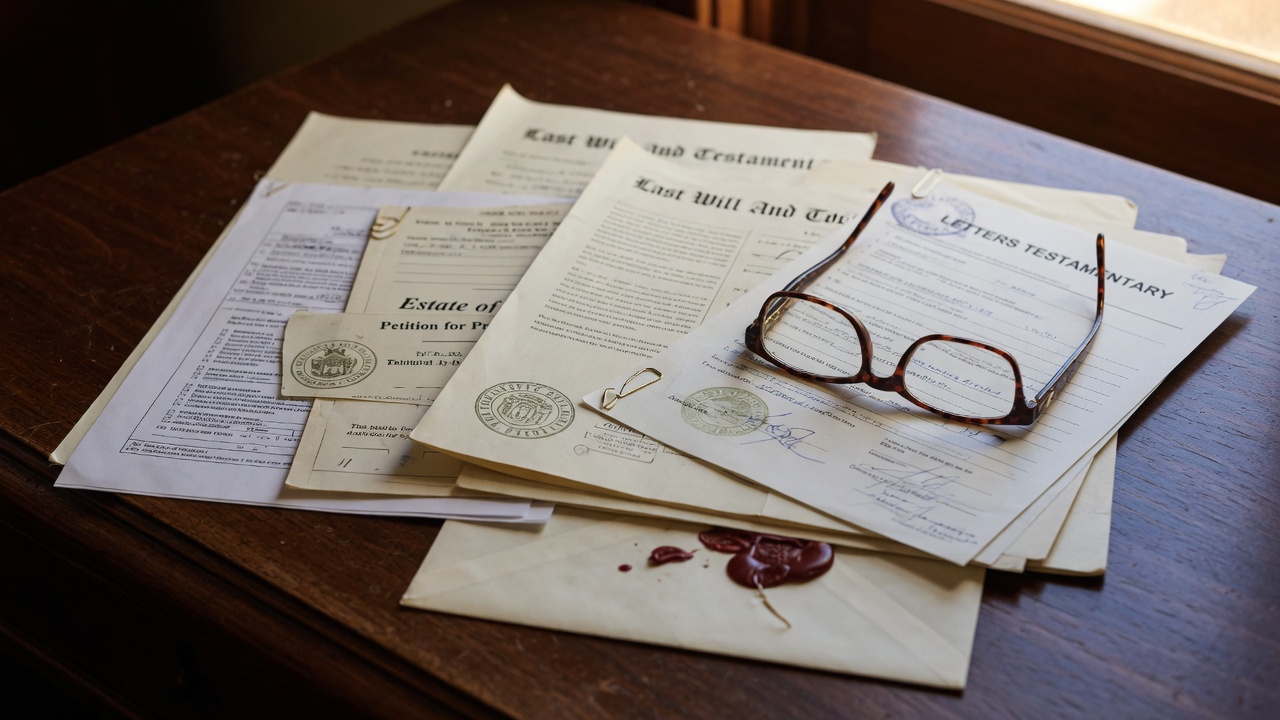
- Letters Testamentary are issued — The court formally recognizes the executor's authority.
- The estate is administered — The executor pays debts, manages assets, and handles property.
- The estate is closed — The court signs off and the process is complete.
The house doesn't have to wait until step four. In most Texas estates, it gets sold during step three — after the executor has legal authority but before the estate is formally closed. That's perfectly normal and expected.
Before Letters Testamentary: Generally, No
Before the court issues Letters Testamentary (or Letters of Administration in cases where there's no will), the executor generally does not have legal authority to sell real property [1]. The will may name someone as executor, but that appointment isn't official until the court confirms it. Out-of-state executors face additional challenges — see our guide to common mistakes.
There are limited exceptions. In urgent situations — say, a property is deteriorating, insurance has lapsed, or there's an immediate financial threat to the estate — an executor can sometimes obtain temporary or emergency authority from the court [4]. Texas law allows for emergency actions when delay would cause harm to the estate. But these are court-supervised exceptions, not the rule.
The practical takeaway: If you're an executor and a buyer wants to move quickly, you still need to wait for Letters Testamentary before you can sign a binding contract on real property. Skipping this step can create title problems that derail the sale.
Independent Administration: The Common Path
Independent administration is the most common form of probate in Texas when the will authorizes it or all heirs consent [1]. The exact percentage varies by county and time period. Consult your attorney about which form of administration applies to your estate. This is the default when the will grants the executor independent authority — and most well-drafted wills do exactly that. If there's no will, the court can still appoint an independent administrator, though it requires all heirs to agree.
Under independent administration, the executor has broad powers that essentially mirror what the deceased person could have done with their own property. That includes the right to sell real estate without seeking ongoing court approval [1] — meaning no court hearings, no judge's signature, and no waiting for permission to list, negotiate, or close.
Here's what that means practically:
- The executor can list the property with a real estate agent
- The executor can accept and negotiate offers
- The executor can sign a contract of sale
- The executor can close the transaction
- No court hearing is required for any of these steps
The executor does still have fiduciary duties — they must act in the best interest of the estate, obtain fair market value (or make a reasonable business judgment), and follow the will's instructions. But they don't need to file motions or wait for a judge's signature on each transaction [1].
This is why independent administration is preferred in Texas. It keeps estate property sales moving without unnecessary delay.
| Feature | Independent Administration | Dependent Administration |
|---|---|---|
| Court approval for sale? | No | Yes |
| Timeline for sale | Faster | Slower |
| Executor autonomy | High | Limited |
| Cost | Lower | Higher |
| Common in Texas? | Very | Less so |
The Power of Sale Clause: A Title Company Hurdle
Here's a practical wrinkle that catches many executors off guard. Even when the estate qualifies for independent administration and the executor has Letters Testamentary in hand, there's a critical hurdle that has nothing to do with the court: the title company. In my experience, the Power of Sale clause issue affects an estimated 20% to 30% of estate property transactions, often causing delays of 2 to 6 weeks while beneficiary signatures are obtained.
"Title underwriters will not insure a deed executed by an independent executor unless the will expressly grants the power to sell, convey, or dispose of real property — or unless all beneficiaries join in the conveyance."
When a buyer purchases an estate property, the title company issues an owner's title insurance policy. Before they'll do that, they need to be satisfied that the deed being delivered is valid and that no one else has a claim to the property. In Texas, if the will does not explicitly include a "Power of Sale" clause — language granting the executor the authority to "grant, bargain, sell, and convey real property" — title companies will often refuse to issue a title policy unless every named beneficiary signs off on the deed [7].
This is a common and costly surprise for executors who assume that independence under the Estates Code means unilateral authority. Legal authority to sell and title-company willingness to insure the sale are not the same thing.
In practice, here's what this means:
- Check the will first. Look specifically for language granting the executor the power to sell, convey, or dispose of real property. Well-drafted Texas wills almost always include this clause, but not all do.
- If the clause is missing, the title company may require consent documents (often called beneficiary affidavits or waivers) signed by every beneficiary named in the will before they'll clear the sale.
- Even when the clause exists, title companies may still require documentation showing the executor's authority and the absence of objections from beneficiaries. This is standard underwriting practice, not an unusual request.
If you're an executor, the takeaway is straightforward: pull the will early in the process and read it for this specific language. If the Power of Sale clause is there, you're in a much simpler position. If it's not, you need to know that before you take a listing, not after you're under contract and the title company raises the issue.
This has been known to delay closings by weeks while the executor tracks down beneficiaries and obtains signatures. It's entirely avoidable with early attention.
Dependent Administration: More Oversight Required
When independent administration isn't available — typically because the will doesn't grant it and the heirs don't consent — the estate goes through dependent administration [2] — meaning every significant action requires court approval. This process requires court supervision for significant actions, including selling real property.
Under dependent administration, the executor (called an "administrator" in this context) must:
- File a petition to sell the property with the probate court [3] — this is governed by Chapter 356, Subchapter E, which spells out the exact steps for selling estate real property
- Provide notice to all interested parties (heirs, beneficiaries, creditors)
- Obtain a court order authorizing the sale
- Often conduct the sale through a court-ordered process, which may include an appraisal and a public hearing
This adds time and cost to the sale, but it's designed to protect the interests of heirs and creditors who may not be directly involved in estate management.
One specific procedural requirement families should know about is the 10-day public notice period. Under Texas law [3], when a dependent administrator files an application to sell real property, the citation must be posted at the courthouse door for at least 10 days before a judge can sign the decree of sale authorizing the sale. This is a mandatory waiting period — even after the court approves the application, the judge cannot sign the order until the posting requirement has been satisfied.
The 10-day posting exists to give interested parties — heirs, creditors, and the general public — formal notice of the proposed sale and an opportunity to object. It is a built-in legal delay that families should factor into their timeline from the beginning. This is one of the concrete reasons dependent administration takes meaningfully longer than independent administration, and why planning ahead matters.
The difference in overall timeline can be significant. An independent executor might list a property within weeks of receiving Letters Testamentary. A dependent administrator may need several months just to get court approval for the sale, and that timeline starts with procedural steps like the 10-day posting before any judicial signature is even possible.
What If There's No Will?
When someone dies without a will (known as dying "intestate"), there's no named executor. Instead, the court appoints an administrator [6] — this is governed by Chapter 201 of the Texas Estates Code, which sets out who has priority to serve. Approximately 67% of American adults do not have a will (Caring.com, 2024), making this an extremely common scenario. The Texas Estates Code sets out who has priority to serve — typically a surviving spouse, then adult children, then other heirs.
"When a person dies without a will, the court must appoint an administrator to settle the estate. This process is called intestate succession, and the estate assets are distributed according to Texas law rather than the decedent's wishes."
If all the heirs agree, the court can appoint an independent administrator. If they don't, the estate goes through dependent administration with full court oversight.
The same rules apply: an independent administrator can sell property without court approval. A dependent administrator needs a court order.
One important distinction: When there's no will, the administrator is even more careful about establishing fair market value, because they have to account to all legal heirs — not just beneficiaries named in a will. Local market conditions affect pricing — see our Boerne housing market update.
The Heirship Hurdle: What Title Companies Actually Require
The section above covers how an administrator gets appointed when there's no will. But there's a critical practical reality that families often don't learn about until they're already under contract: a title company will almost never insure a real estate sale based solely on the appointment of an administrator.
In Texas, if someone dies without a will, the title company will require a formal Judgment Declaring Heirship before they will issue an owner's title insurance policy on the property [13]. This is a separate court proceeding — distinct from the appointment of the administrator — in which the court formally identifies and declares who the legal heirs of the deceased person are.
Here's what that means in practice:
- An attorney ad litem is required. The court appoints an independent attorney (called an attorney ad litem) to investigate and locate all potential heirs. This is a mandatory procedural step, not optional, and it adds both time and cost to the process.
- The proceeding takes time. The attorney ad litem must conduct a diligent search for heirs, file a report with the court, and the court must enter a final judgment. Depending on the county and the complexity of the family tree, this process can take weeks to months.
- Without it, the title company won't close. Letters of Administration alone prove who is authorized to act on behalf of the estate. They do not prove who the legal heirs are — and that distinction is exactly what the title company needs to insure clear title to the buyer.
For very small estates, a Small Estate Affidavit may suffice under certain conditions, but this has strict eligibility requirements and may not cover real property in all cases. Your estate attorney can advise on whether the small estate route is available.
The practical takeaway: Selling a house when someone dies without a will requires clearing the heirship hurdle before the title company will issue a policy. This is one of the most significant practical differences between testate and intestate estate sales, and it should be factored into the timeline and budget from day one.
How Does the Homestead Exemption Affect a Probate Sale?
There is a critical and often overlooked roadblock in Texas probate real estate: the Constitutional Homestead Rights of a surviving spouse. This right can, in certain situations, prevent an administrator from selling the family home — even when the estate needs the proceeds to pay debts or distribute assets.
"The homestead of a family, or of a single adult person, shall be, and is hereby protected from forced sale of the homestead for the payment of most debts."
Under the Texas Constitution, Article 16, Section 52, a surviving spouse has a legal right to occupy the marital homestead for life [14]. This is not a suggestion or a guideline. It is a constitutionally protected property right. If the deceased person's children are from a prior marriage, the surviving spouse can claim the right to remain in the home indefinitely — and an administrator cannot force the sale to pay estate debts or to distribute funds to heirs.
Here's what executors and administrators need to understand:
- This applies whether or not there is a will. The homestead right is constitutionally protected and does not depend on the terms of a will. Even if the will directs the sale of the property, the surviving spouse's occupancy right may take precedence.
- It applies to the family home and the land. The homestead right covers the physical home where the couple lived, plus the surrounding land (up to certain acreage limits in rural areas).
- The surviving spouse must actively claim the right. This isn't automatic in every case. But once asserted, it creates a very real obstacle to a forced sale. The surviving spouse may also have the right to use the income from other estate assets to maintain the home.
This situation most commonly arises when the deceased person has children from a previous relationship. The children may be entitled to a share of the estate, but the surviving spouse's right to occupy the homestead can override the estate's ability to sell the property to satisfy those interests.
The practical takeaway: Before listing any estate property, the administrator should determine whether a surviving spouse is claiming homestead occupancy rights. If they are, this fundamentally changes the strategy for the property — and the administrator needs legal guidance before proceeding. Attempting to sell around this right without addressing it can result in legal challenges, delayed closings, and potential liability for the administrator.
Can a Beneficiary Force the Sale of a Probate Property?
In Texas, a single beneficiary generally cannot force the sale of a probate property unilaterally. The executor or administrator holds the authority to manage and dispose of estate assets, not individual beneficiaries. However, if all beneficiaries agree on a sale, the executor can typically proceed. If there is disagreement, any interested party can file a motion with the probate court requesting direction on the property's disposition. The court will weigh the interests of all parties — including creditors — and may order a sale if it determines the estate's best interests require it.
The court's decision is guided by the estate's financial obligations. If estate debts exceed available liquid assets, the court may authorize or even direct the sale of real property to satisfy creditors, regardless of whether all beneficiaries agree. This is more common than families expect — approximately 10% to 15% of Texas estates face creditor claims that necessitate liquidating real property.
How Do Title Companies Handle Probate Sales?
Even when the executor has legal authority to sell, the title company will want to verify that authority before issuing a title policy. This is one of the most common points where sales get delayed — and according to estate real estate professionals, title-related issues account for roughly 30% to 40% of probate sale delays.
"In Texas, a title company will not issue an owner's title insurance policy on a probate sale without first reviewing the Letters Testamentary, the probated will, and documentation confirming the executor's authority to convey the property."
The title company will typically require:
- Certified copies of Letters Testamentary (or Letters of Administration)
- A copy of the probated will, if one exists
- Documentation showing the executor has independent authority (or a court order approving the sale, in dependent administration)
- A death certificate
- An affidavit from the executor confirming there are no pending challenges to the will or the executor's authority
If any of these documents are missing or incomplete, the title company can't issue a clear title policy — and most buyers won't close without one.

Secured Creditors, Mortgages, and Liens at Closing
If the estate property carries a mortgage, that's one of the first things the executor needs to address — and it affects everything from the sale price to the net proceeds the estate actually receives.
When a house is sold during probate, any existing mortgage must be paid off at closing. This isn't optional, and it isn't something the executor can negotiate around. The lien is satisfied at the closing table: the mortgage lender is paid directly from the sale proceeds before the estate ever sees a penny of the net funds [8].
Here's what executors need to know:
- Notice is required. Under Texas Estates Code Chapter 308 [8] — which requires the executor to notify secured creditors that the estate is being administered — the executor must issue mandatory notices to secured creditors, including the mortgage lender. This notice informs the lender that the debt will be addressed through the probate process.
- Liens clear at closing. The title company will identify all outstanding liens on the property during title work. The mortgage payoff amount is provided by the lender, and the lien is released as part of the closing transaction.
- Net proceeds reflect the debt. If a house sells for $350,000 and the mortgage balance is $120,000, the estate doesn't "receive" $350,000. It receives the net amount after the lien is satisfied, plus closing costs, commissions, and other expenses.
- Failure to notify creates risk. If the executor doesn't properly notify secured creditors, it can create legal complications, delay the closing, or expose the estate to claims after the fact.
This is an area where the executor's attorney and the title company coordinate closely. The payoff demand is ordered, the lender's lien is released, and the deed is delivered free and clear. But if the notice step is missed or the lender isn't properly contacted, the entire closing timeline can slip.
The practical takeaway: Don't assume the mortgage will just "take care of itself" at closing. Identify the lender early, confirm the outstanding balance, and ensure the estate's attorney issues the required notices under Chapter 308.
Sell It As-Is: The Executor's Best Protection
If there is one piece of advice I give every executor considering a property sale, it is this: sell the property strictly "As-Is, Where-Is" with a waiver of warranties. This is not a marketing tactic or a negotiation shortcut. It is the executor's most important legal protection during the sale.
"Under Texas Property Code § 5.008(b), the Seller's Disclosure Notice requirement does not apply to a sale by an executor, administrator, or other fiduciary acting under a court order or in the course of administering an estate."
Here is why. In a typical residential real estate transaction in Texas, the seller completes a Seller's Disclosure Notice — a standardized form where the seller certifies what they know about the property's condition, including known defects, previous repairs, and material facts. That form carries legal weight. If the seller misrepresents or omits a material fact, they can face personal liability after closing [12].
But an executor is almost never in a position to fill out that form accurately. The executor likely never lived in the home. They may not know whether the roof was replaced, whether the HVAC has been serviced, whether the foundation has shifted, or whether the plumbing is original. Signing a disclosure form based on guesswork or family memory exposes the executor to immense personal liability for undisclosed defects — liability that extends well beyond the estate's assets.
The critical protection: Texas law actually exempts executors and administrators from providing the standard Seller's Disclosure Notice. Under Texas Property Code § 5.008(b), the disclosure requirement does not apply to a sale by an executor, administrator, or other fiduciary acting under a court order or in the course of administering an estate [12]. This is not a loophole or an aggressive legal interpretation. It is a specific statutory exemption designed for exactly this situation — a seller who has no personal knowledge of the property's condition.
Selling "As-Is, Where-Is" with a waiver of warranties takes this protection a step further. The language makes clear to the buyer that the estate is not making any representations about the property's condition, that the buyer is accepting the property in its current state, and that the estate will not be responsible for repairs or defects discovered after closing. It shifts the burden of due diligence to the buyer, which is exactly where it belongs when the seller has never lived in the home.
This is not about hiding problems. It is about being honest that the estate does not have firsthand knowledge of the property's condition, and structuring the transaction to reflect that reality.
What executors should do: Work with your estate attorney to draft appropriate "As-Is" language in the purchase agreement and any addenda. Your real estate agent should also ensure the listing and marketing materials are consistent with the as-is positioning. Done correctly, this protects the executor, sets clear expectations for the buyer, and reduces the risk of post-closing disputes.
Medicaid Estate Recovery: A Common Source of Closing Delays
There's another issue that routinely blindsides families: the Medicaid Estate Recovery Program, commonly known as MERP. If the deceased person was over age 55 and received Medicaid benefits — particularly long-term nursing home care — the State of Texas may file a claim against the estate's real property to recover the benefits it paid on the decedent's behalf [9].
This is not theoretical. In Texas, MERP claims are a very common cause of extreme closing delays for families selling a probate property. The state can claim up to the full value of the estate for Medicaid benefits paid, though in practice claims are typically limited to the value of the probate estate. Here's why it matters:
"The Medicaid Estate Recovery Program seeks reimbursement from the estates of deceased Medicaid recipients for benefits paid on their behalf. Recovery is mandatory from the probate estate and discretionary from non-probate assets."
- Title companies require a MERP release. Before issuing a title policy on a property where the decedent was a Medicaid recipient, title companies universally require a certification or release from the Texas Health and Human Services Commission (HHSC) confirming the state's claim has been satisfied or waived.
- The process can take weeks or months. Obtaining a MERP certification or release depends on the county, the complexity of the Medicaid claim, and how quickly HHSC responds. In some cases, families have waited weeks just to receive the necessary paperwork.
- It applies even when the estate is otherwise straightforward. A family may have clear authority, all beneficiaries in agreement, a willing buyer, and complete title documentation — and still hit a wall because MERP hasn't been addressed.
What executors should do: As soon as you begin administering the estate, investigate whether the decedent received Medicaid benefits at any point, particularly for long-term care. If they did, begin the MERP certification process immediately. Don't wait until you're under contract. This is one of the few probate-related delays that is truly avoidable with early action.
Your estate attorney can help you navigate the HHSC request process, and your real estate agent should be aware of the issue from day one so the marketing and closing timeline account for it.
What Taxes Are Owed on a Probate Home Sale? The Stepped-Up Basis Explained
When families sell an estate property, one of their biggest financial anxieties is often taxes. They've heard about capital gains, they know the house has appreciated over decades, and they assume the estate or the heirs will face a significant tax bill when the property is sold.
In most cases, that anxiety is unfounded — and understanding why can provide enormous peace of mind.
Under Internal Revenue Code § 1014 [15] — the federal tax provision that resets the cost basis of inherited property to its fair market value at the date of death — when a person dies, the tax basis of their property is "stepped up" to its fair market value on the date of death. This is one of the most significant tax advantages in the entire tax code, and it applies to inherited real estate.
Here's what that means practically:
- The "gain" is reset at death. If the deceased person purchased the home for $80,000 and it's worth $350,000 on the date of death, the heir's tax basis is $350,000 — not $80,000. If the property sells during probate for $350,000, there is effectively zero capital gain.
- Selling during probate is the cleanest path. If the estate sells the property promptly during probate, the sale price and the stepped-up basis are essentially the same number. The result: the estate typically owes no federal capital gains tax on the sale of the home.
- Holding the property can complicate things. If the heirs inherit the property and hold it for years before selling, the basis remains stepped up to the date-of-death value. But any appreciation after that date becomes a taxable gain. Selling during probate avoids this entirely.
This stepped-up basis is a critical advantage of selling during probate rather than holding the property. It removes one of the most common sources of family anxiety around estate sales — the fear of a large, unexpected tax bill — and it gives executors and families confidence that the net proceeds from the sale will not be eroded by capital gains taxes.
The practical takeaway: Families should not let the fear of taxes drive them to hold an estate property they'd rather sell. In most cases, the stepped-up basis eliminates capital gains tax entirely on a sale during probate. This is a question to raise with the estate's CPA, but it's important for executors to understand this advantage exists and to communicate it to hesitant heirs.
How Long Does Probate Take in Texas? A Typical Timeline
Probate timelines vary significantly depending on the county court, complexity of the estate, form of administration, and whether disputes arise. Simple independent administrations may close in several months; complex or contested matters can take a year or longer. Your attorney can provide a timeline estimate based on your specific circumstances. Here's a general timeline for how an independent executor might handle a property sale in Texas:
| Milestone | Approximate Timeframe |
|---|---|
| Death | Day 0 |
| Probate Filing | 1–4 weeks after death |
| Letters Testamentary Issued | 4–8 weeks after filing |
| Property Listed | Within weeks of receiving Letters |
| Active Marketing Period | 2–6 weeks (varies by market) |
| Under Contract | Varies |
| Title Work and Closing | 2–4 weeks under contract |
| Estate Closed | Months after closing, once all administration tasks are complete |
The property can be listed and sold well before the estate is officially closed. The closing happens, the proceeds go into the estate account, and the executor distributes them according to the will and after paying estate debts and expenses.
What Is the 90-Day Filing Deadline for Executors in Texas?
There's a filing requirement that many executors don't learn about until it causes a problem: the Inventory, Appraisement, and List of Claims. Under the Texas Estates Code, the executor is required to file this document within 90 days of receiving Letters Testamentary — a hard deadline that title companies actively check.
Under the Texas Estates Code, the executor is required to file an Inventory, Appraisement, and List of Claims within 90 days of receiving Letters Testamentary [10]. This document provides the court with a comprehensive accounting of the estate's assets, their estimated values, and any known debts or claims against the estate.
For independent administrations, there's a streamlined alternative. Instead of the full inventory, the executor can file an Affidavit in Lieu of Inventory [11] — a sworn statement confirming that the estate has no debts other than secured liens and that all heirs have agreed on the distribution of assets. This is faster and simpler, but it still requires a formal filing with the court.
Why does this matter for selling a house? Because title companies frequently check the probate docket to confirm the inventory has been filed and approved (or that the affidavit has been filed) before they will clear the property to close. The inventory proves that the real estate was properly accounted for as an estate asset — and without it, the title company may see an unresolved gap in the chain of administration.
The practical consequences are straightforward:
- Missing filings delay closings. If the 90-day deadline has passed and the inventory (or affidavit) hasn't been filed, the title company may refuse to proceed until the filing is complete and the court has acknowledged it.
- Late filings raise questions. A significantly overdue inventory can prompt scrutiny from the court, from heirs, or from the title company's underwriting department.
- Early filing avoids the bottleneck. File the inventory or affidavit as soon as possible after receiving Letters Testamentary — don't wait for the 90-day deadline to approach.
The practical takeaway: Put the inventory filing on your timeline from day one. It's one of those administrative steps that seems minor but can halt an otherwise smooth closing if it's overlooked.
What Are the Most Common Executor Mistakes When Selling a Probate Home?
Selling estate property isn't something most people do more than once, and the stakes are high. In my experience working with executors across the Texas Hill Country, the most common mistakes involve timing and authority — not intention. Here are the most common pitfalls:
"The most frequent mistake I see executors make is moving too fast before they have proper authority, or too slowly once they do. Both create problems for the estate and the family."
Selling before having authority
This is the biggest one. Signing a purchase contract before Letters Testamentary are issued can create a title cloud that causes the deal to fall apart — or worse, exposes the executor to personal liability.
Ignoring the will's instructions
Some wills specify how property should be handled — whether it should be sold, who gets first refusal, or how proceeds should be divided. The executor must follow these instructions.
Underpricing to expedite
Executors sometimes accept the first offer to simplify their responsibilities. But as a fiduciary, the executor has a duty to obtain reasonable value [1]. An unjustifiably low sale price can be challenged by heirs.
Skipping professional support
A probate-experienced real estate agent, estate attorney, and title company aren't luxuries — they're safeguards. They help the executor fulfill their duties while protecting themselves and the estate.
Failing to maintain the property
A house sitting vacant without maintenance loses value quickly. The executor has a duty to preserve the estate's assets, which includes keeping the property in reasonable condition.
Frequently Asked Questions
Can an executor sell a house before probate is even started in Texas?
Does every property sale during probate require court approval?
What if the will doesn't grant the executor power to sell?
Can an executor sell the house below market value?
Can the executor buy the house themselves?
How long does probate typically take in Texas?
What happens to the proceeds from the sale?
Does Medicaid affect a probate home sale in Texas?
Can a surviving spouse block the sale of the homestead?
What's required to sell a home when someone dies without a will?
Ready to discuss your situation?
If you're an executor navigating the sale of a property during probate, you don't have to figure this out alone. The process has real legal and financial implications, and the right guidance makes a meaningful difference. I'm available for a confidential consultation.
Bill Ross — Hill Country Homesteads Group, brokered by KW Boerne
Disclaimer: This article is for educational purposes only and does not constitute legal or tax advice. Probate laws vary by individual circumstances. Consult a qualified Texas estate attorney for guidance specific to your situation. Information is current as of the date of publication and may be subject to change. If you have been asking can executor sell house before probate is complete Texas, this article provides the practical answers you need.
Sources
- Texas Estates Code, Chapter 401 — Independent Administration Texas Legislature
- Texas Estates Code, Chapter 402 — Dependent Administration Texas Legislature
- Texas Estates Code, Chapter 356, Subchapter E — Sale of Estate Property Texas Legislature
- Texas Estates Code, Chapter 452 — Temporary Administration Texas Legislature
- Probate in Texas — Guide for Families State Bar of Texas
- Wills, Estates, and Probate in Texas Texas Law Help
- Texas Estates Code, Chapter 401 — Powers of Independent Executor Texas Legislature
- Texas Estates Code, Chapter 308 — Notice to Creditors Texas Legislature
- Medicaid Estate Recovery Program (MERP) Texas Health and Human Services Commission
- Texas Estates Code, Chapter 309 — Inventory, Appraisement, and List of Claims Texas Legislature
- Texas Estates Code, Section 309.052 — Affidavit in Lieu of Inventory Texas Legislature
- Texas Property Code, § 5.008(b) — Seller's Disclosure Notice Exemption for Fiduciaries Texas Legislature
- Texas Estates Code, Chapter 205 — Judgment Declaring Heirship Texas Legislature
- Texas Constitution, Article 16, Section 52 — Homestead Rights Texas Legislature
- Internal Revenue Code § 1014 — Stepped-Up Basis for Inherited Property Cornell Law School / U.S. Code
Legal Disclaimer: The information provided in this article is for general informational and educational purposes only. It does not constitute legal, tax, financial, or professional advice. Every estate, probate proceeding, and real property transaction is unique, and the laws governing Texas probate are subject to change. The author and Hill Country Homesteads Group are not law firms and do not provide legal representation. Readers should consult a licensed Texas probate attorney, CPA, or other qualified professional for advice specific to their individual circumstances. Reliance on any information in this article is solely at your own risk.