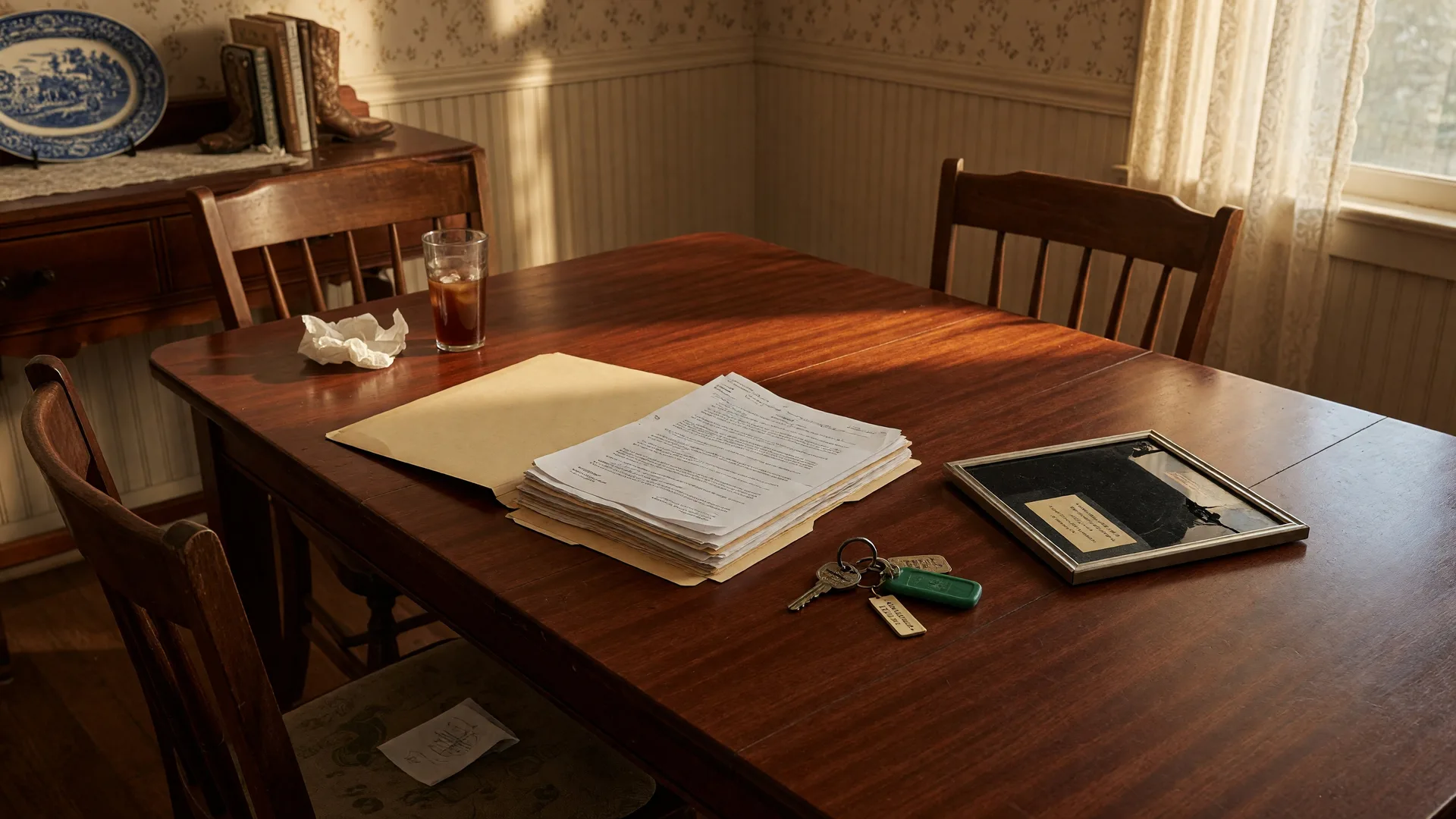
Probate home sales are supposed to be a straightforward part of settling an estate. The personal representative identifies the assets, pays the debts, and distributes what remains. But when the estate includes a house — especially one with emotional history, multiple heirs, and no clear instructions — the sale process frequently becomes the flashpoint where family conflict erupts.
This article explains why probate home sales generate so much friction, what the common triggers look like in practice, and what families can do to prevent a financial and emotional disaster.
How Common Is Family Conflict in Probate?
Probate conflict is usually less dramatic than a formal courtroom will contest. More often, it appears as disagreement over authority, timing, communication, property access, repairs, pricing, or whether the home should be sold at all. Those disputes may never become a lawsuit, but they can still delay the sale, increase carrying costs, and damage family relationships.
Formal will contests — where an heir files a legal challenge to the validity of the will itself — are only one subset of probate conflict. Many family disputes never become formal will contests at all. They instead show up as delayed decisions, refusal to cooperate, disputes over pricing, disagreements about repairs, or mistrust of the executor's handling of the home.
In Texas, where independent administration is common, the executor often has more autonomy than in states with heavier court oversight. That can speed things up when the family is aligned — but it can also deepen resentment when one heir feels shut out of decisions about a home that carries decades of family meaning.
Top Family Conflict Triggers in Probate Home Sales
Common family conflict triggers in probate home sales include:
- Disagreement over whether to sell or keep the home
- Unequal emotional attachment to the property
- Disputes over listing price or valuation
- Perceived unfairness in the eventual distribution
- Blended-family or step-family dynamics
- Power struggles over executor decisions
- Financial pressure from debts, taxes, insurance, utilities, and maintenance
- Grief interfering with communication and decision-making
These issues do not always appear as formal litigation. In many estates, the conflict shows up as delay, silence, resentment, refusal to sign documents, disagreement over repairs, pressure on the executor, or mistrust of the listing and sale process.
Unequal Emotional Attachment to the Property
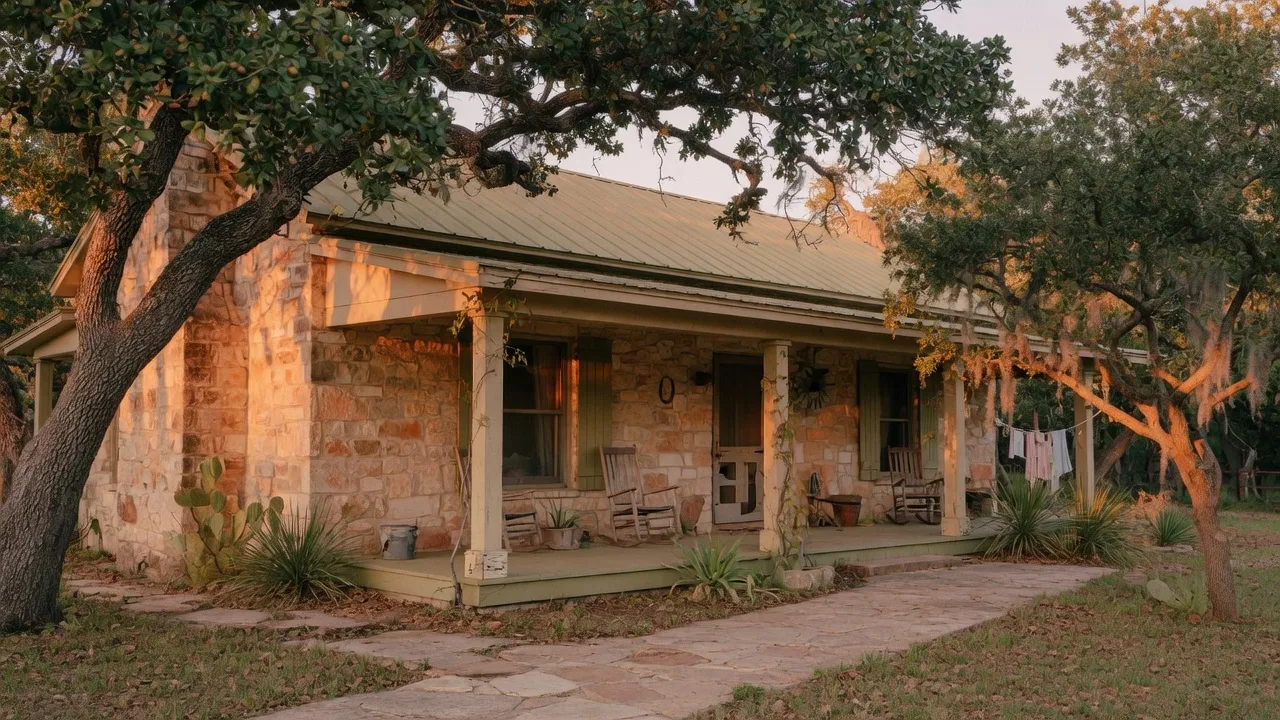
For some heirs, the family home is where they grew up. It is the kitchen where holiday meals happened, the backyard where their children played, the front porch where a parent sat every evening. For other heirs — perhaps those who moved away years ago — the home is a line item on a balance sheet, an asset that needs to be liquidated so the estate can close.
This mismatch in emotional attachment is one of the most reliable predictors of probate conflict. The heir who feels deep attachment may resist listing, demand an inflated price, reject offers that seem reasonable, or insist on repairs and staging that delay the sale for months. The heir who sees the home as an asset may push for a fast sale at any price, creating the opposite kind of friction.
Neither perspective is wrong. But when families do not acknowledge the emotional weight of the property early in the process, the conflict tends to surface at the worst possible moment — during negotiations, after an inspection, or when a deadline is approaching.
The Caretaker Syndrome: Factoring In Sweat Equity Resentment
Another subtle but emotionally explosive trigger under the umbrella of attachment asymmetry is the friction caused by the caretaker role. Frequently, one sibling has stayed behind in the Texas Hill Country, dedicating years of uncompensated time, emotional energy, and physical labor to caring for an aging parent and maintaining the family home. Meanwhile, other siblings have built lives out of state, removed from the daily trials of caretaking.
When the parent passes, the local caretaker sibling often harbors a deeply felt sense of entitlement to the home or a larger portion of its value, viewing it as rightful compensation for their sweat equity. Conversely, the out-of-state siblings expect an immediate, clean, and perfectly equal division of the home's proceeds as dictated by the will or Texas intestacy law.
This mismatch creates an immediate transactional impasse. The caretaker sibling may purposefully delay the listing, refuse access to real estate agents, or demand that the estate reimburse them retroactively for decades of unpaid home maintenance. Addressing this resentment head-on requires the executor to validate the caretaker's sacrifices early on and work closely with an estate attorney to determine if legitimate, documented property preservation expenses can be legally reimbursed out of the estate pool before net proceeds are divided.
To Sell or to Hold: The Fundamental Disagreement
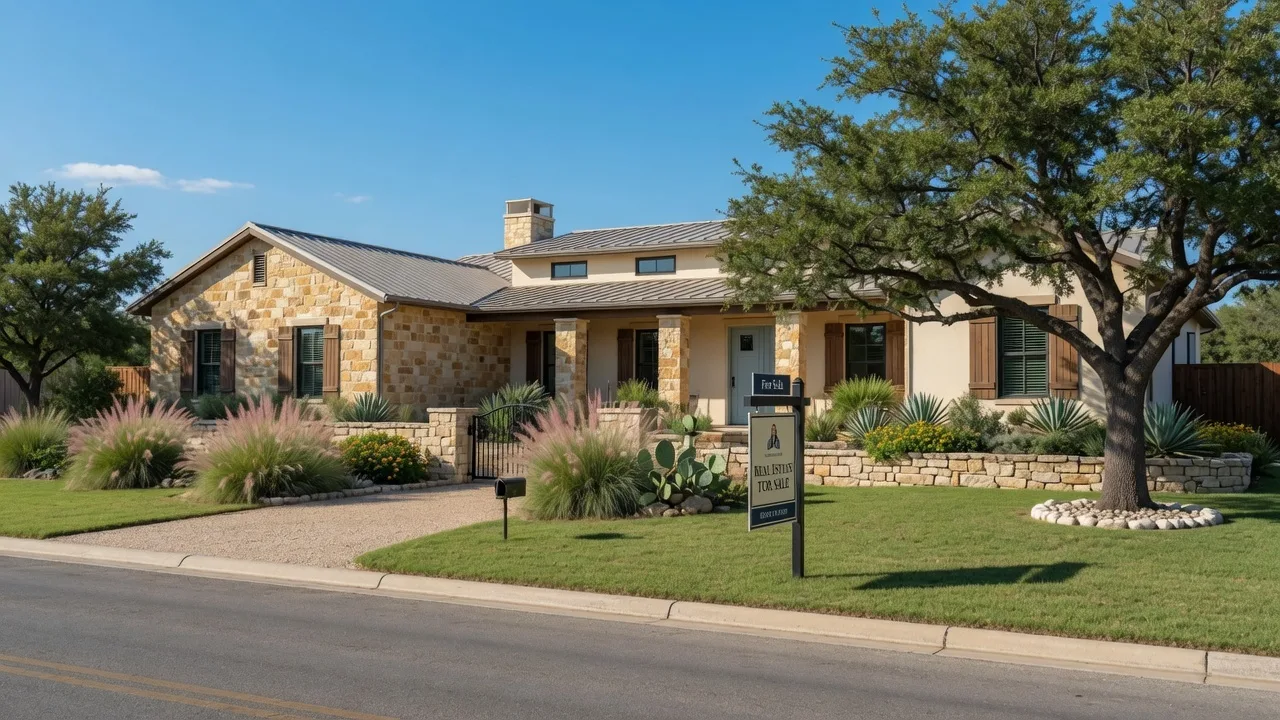
Some heirs want to sell immediately. Others want to keep the property — either as an investment, as a memorial, or as a home for a surviving family member. This disagreement is often the single biggest source of delay in a probate home sale.
In Texas, the legal framework depends on the stage and type of administration. In an independent administration, the executor or administrator may often act with limited court involvement, but the actual authority to sell should be confirmed by reviewing the will, the order appointing the personal representative, the letters testamentary or letters of administration, and any court order granting a power of sale. If the will does not clearly give sale authority, Texas Estates Code Section 401.006 allows a court to include sale authority in the appointment order when the required distributees consent. In a dependent administration, estate property generally may not be sold without a court order authorizing the sale.
If the will explicitly grants a "Power of Sale," the independent executor may sell the property for any reason, including an optimization of estate assets. However, if the will lacks a power of sale provision or if the deceased passed away intestate without a will, the independent executor's authority to sell real property without unanimous consent is legally restricted. They may only do so if the sale is necessary to pay estate debts, funeral expenses, taxes, administrative costs, or statutory family allowances.
Selling a home purely because the executor believes it is in the best interest of the estate without explicit text in the will and against the wishes of objecting heirs can expose the executor to title issues and personal fiduciary liability. If the estate has been closed and the property has been distributed to heirs as cotenants, a voluntary sale usually requires all co-owners to sign. If they cannot agree, one co-owner may seek a partition under Texas Property Code Chapter 23. If the property qualifies as heirs property, the court must determine whether Chapter 23A — the Texas Uniform Partition of Heirs' Property Act — applies. Chapter 23A supplements Chapter 23 and can supersede inconsistent partition rules when inherited family property is involved.
The Texas Uniform Partition of Heirs Property Act (UPHPA)
When co-heirs cannot agree on a sale and a partition action becomes unavoidable, Texas courts apply a specialized legal framework known as the Texas Uniform Partition of Heirs Property Act (UPHPA), codifying protective rules for inherited real estate. Historically, a partition lawsuit frequently resulted in a swift court-ordered public auction, where properties were routinely sold well below market value, devastating family wealth.
Under the UPHPA rules, the legal process is heavily modified to protect the financial interests of disagreeing heirs through three core protections:
- Independent Appraisals: The court must appoint an independent, licensed appraiser to establish an objective fair market value of the property, preventing any single heir from manipulating the valuation.
- The Right of First Refusal Buyout: Objecting heirs who desperately want to keep the house are granted a statutory right to buy out the interests of the heirs who wish to liquidate, priced exactly at the court-determined fair market value.
- Open-Market Preference: If a buyout does not occur and a sale is required, the law mandates that the property be listed on the open real estate market with a licensed broker at fair market value, entirely eliminating predatory courthouse-steps fire sales.
While the UPHPA creates a fair, transparent mechanism for resolving deadlocks, the legal and administrative fees of a partition lawsuit can easily siphon thousands of dollars from the estate, proving why structured mediation remains a vastly superior path for families.
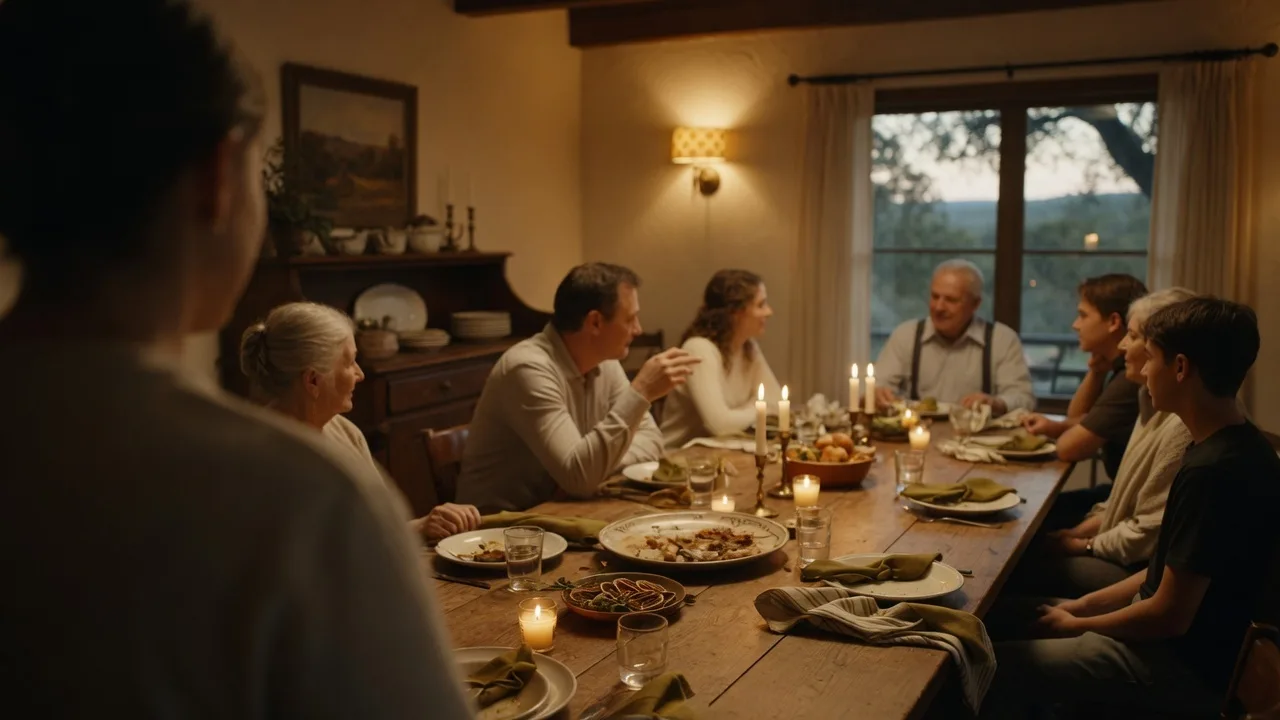
Blended Family Dynamics: Where the Stakes Multiply
Blended-family situations are especially prone to probate home-sale conflict because legal rights, emotional expectations, and family loyalties may not line up cleanly. Pew Research Center reported in 2026 that 17% of U.S. children under 18 live in a blended family most or all of the time, and its earlier research found that many remarriages involve blended-family structures. In probate, the practical problem is not the percentage itself. The problem is that a surviving spouse, children from a prior marriage, stepchildren, and half-siblings may all view the same house through different legal and emotional lenses.
The absence of clear estate-planning documents makes these conflicts more likely. Trust and Will's 2026 Estate Planning Report found that 56% of U.S. adults had no estate-planning documents whatsoever — no will, trust, medical power of attorney, financial power of attorney, or HIPAA authorization. When a Texas homeowner dies without clear instructions, the default legal process may not match what family members assumed would happen.
In Texas, homestead rights add another layer of complexity. The surviving spouse has a constitutional right to occupy the homestead, and that right generally cannot be overridden by other heirs during the surviving spouse's lifetime. The children from a prior marriage may believe they own a share of the home and have every right to force a sale. But the surviving spouse may have the legal right to stay — sometimes for years — regardless of what the other heirs want.
This is not just a legal issue. It is an emotional one. The surviving spouse may feel that the children are trying to put her on the street. The children may feel that the surviving spouse is using homestead rights to control an asset that does not belong to her. The executor is caught in the middle, trying to follow the law while keeping the family from tearing itself apart.
Texas homestead protections can also involve minor children. The practical result is that ownership and occupancy may not line up the way heirs expect. A child from a prior marriage may inherit an ownership interest but still be unable to force immediate possession or partition if a surviving spouse has the right to use and occupy the homestead. That is why blended-family probate home sales need legal review before heirs assume the property can simply be listed, vacated, and sold.
Differing Timelines and Priorities Among Heirs
One heir may need cash immediately to pay debts or cover living expenses. Another may want to wait for the market to improve. A third may want to keep the property as a rental. These competing priorities create friction not because anyone is being unreasonable, but because the estate is forcing a group of people with different financial situations, different timelines, and different relationships to the property to agree on a single course of action.
Without a clear process for making decisions, the default outcome is often paralysis. The home sits vacant. Carrying costs accumulate. The property deteriorates. And every month that passes without action, the family loses money and goodwill.
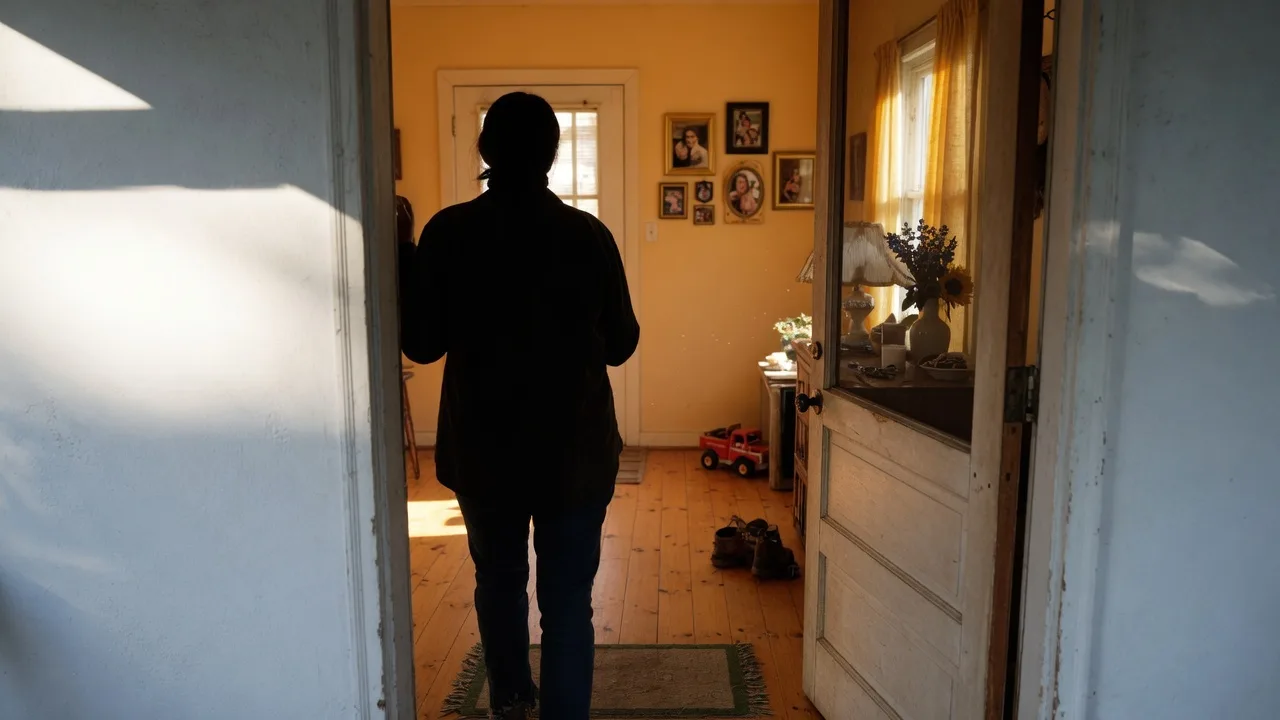
When One Heir Is Living in the House
One of the most combustible probate home-sale situations occurs when one heir is living in the property and the others are not. The occupying heir may believe they are protecting the home, preserving the deceased parent's wishes, or maintaining continuity during a painful transition. The non-occupying heirs may see the same arrangement as free housing, delay, or unequal use of an estate asset.
This conflict quickly becomes practical. Who pays the utilities? Who maintains the yard? Is the occupying heir responsible for rent or reimbursement? Can buyers access the property for showings and inspections? What happens if the occupying heir refuses to leave before closing?
Families should not handle this informally for long. If an heir is living in the property, the executor should get legal guidance on possession, expense responsibility, access, insurance, and any written occupancy agreement. A vague just stay there for now arrangement may feel kind in the first few weeks after death, but it can become one of the biggest obstacles to a clean sale.
Hidden Resentments That Surface During Estate Settlement
Probate has a way of surfacing old family grievances. The sibling who was always favored. The one who never helped with Moms care. The niece who borrowed money and never paid it back. The brother-in-law who everyone believes married into the family for the wrong reasons.
These resentments do not stay in the past when a house — and real money — are involved. They seep into every decision about the property. The executor is accused of favoritism. Pricing decisions are questioned. Repair recommendations are treated as self-dealing. Every choice becomes a referendum on decades of family history.
The most effective way to address this dynamic is to recognize that it exists and to build structure around the process so that individual grievances have less power to derail the sale.
The Personal Property Inside the Home
Families often underestimate how much conflict comes from the contents of the house. Furniture, jewelry, tools, family photographs, firearms, vehicles, artwork, documents, and sentimental objects can trigger disputes before the real estate sale even begins. The value may be modest, but the emotional meaning can be enormous.
This matters because the house usually cannot be prepared, cleaned, staged, photographed, listed, or shown until the personal property issue is under control. If one sibling removes items without telling the others, suspicion can poison the entire sale process. If no one removes anything, the property may sit in poor showing condition while carrying costs continue.
A practical approach is to inventory valuable items, photograph rooms before removal, secure financial and legal documents, separate clearly personal keepsakes from saleable property, and agree in writing on how remaining contents will be distributed, donated, sold, or discarded. The goal is not perfection. The goal is to prevent a fight over personal property from delaying the sale of the largest asset in the estate.
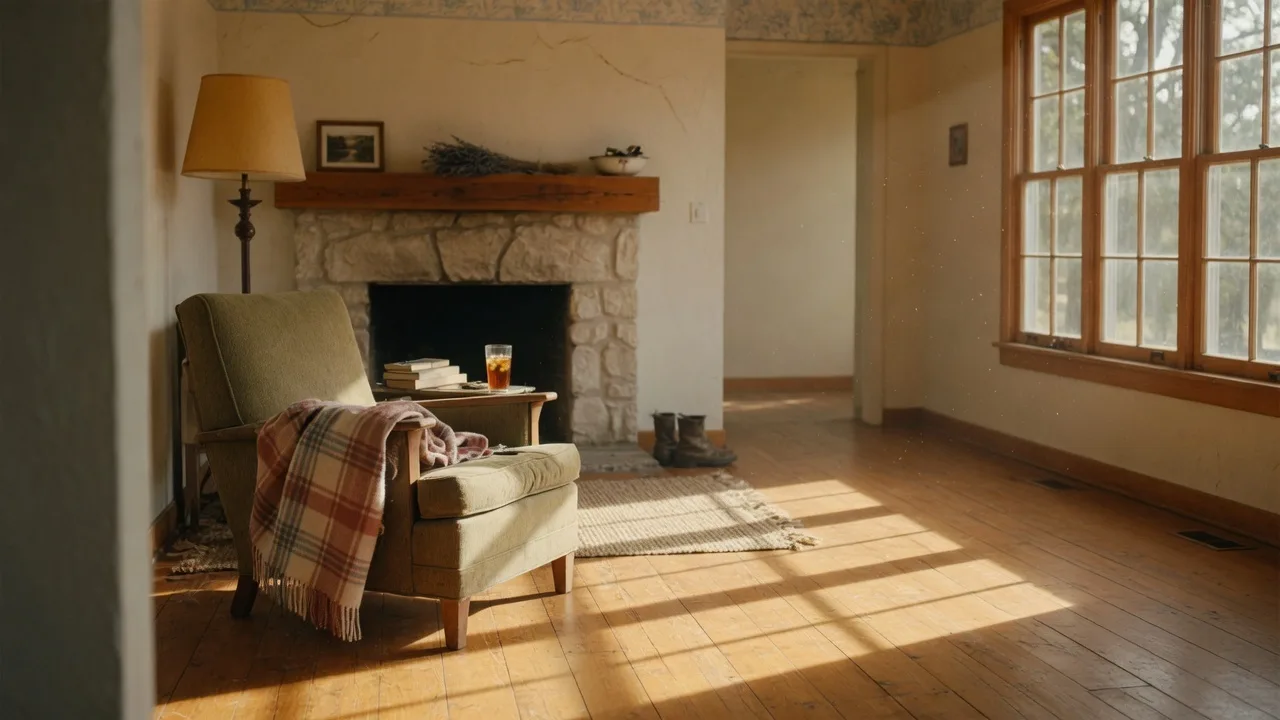
Where Grief Meets Financial Decision-Making
One underappreciated driver of probate family conflict is the cognitive strain of grief. Bereavement research has linked intense grief with difficulty in attention, problem-solving, and emotional decision-making. That does not mean grieving heirs are incapable of making decisions. It means families should expect that major financial choices made shortly after a death may be harder, slower, and more emotionally reactive than ordinary real estate decisions.
In practical terms, heirs may fixate on small details while avoiding larger decisions. They may interpret neutral market information as disrespectful to the deceased. They may struggle to process an appraisal, an inspection report, or a low offer because the home is still emotionally connected to the person they lost. Recognizing this dynamic does not excuse obstruction, but it helps explain why probate home-sale decisions often require more structure than an ordinary listing.

What Families Can Do Before the Conflict Takes Root
Families that plan ahead — or at least build structure early — tend to avoid the worst outcomes. Here are practical steps that help.
1. Communicate Early and Directly
The executor or personal representative should contact all heirs as soon as the estate opens and explain what will happen with the home. That includes the timeline, the expected process, and the heirs rights under Texas law. Silence breeds suspicion, and suspicion escalates quickly when money is involved.
2. Set Clear Expectations About the Process
Many heirs do not understand how probate works. They may not know that the executor has legal authority, that the process takes months, or that the final distribution depends on court approval. Clear, early education prevents a lot of downstream conflict.
3. Get a Professional Valuation Early
Disputes over price are easier to prevent than to resolve. A professional appraisal or comparative market analysis gives the family a shared factual foundation. It does not eliminate disagreement, but it anchors the conversation in data rather than emotion.
4. Address the Personal Property Before Listing
Before the home is listed, the family should have a plan for the contents. That plan should be in writing and agreed to by all heirs. It should cover what will be removed, what will stay, how valuable items will be handled, and what will happen to sentimental objects.
5. Consider Mediation Early
In Texas, probate disputes can go to mediation, and a judge may order mediation if the court believes negotiation is possible and may help resolve the dispute. Some counties also have dispute-resolution resources, but availability varies by county and case type. Families should ask their probate attorney, the court, or the local dispute-resolution center what options are available in that county.
6. Document Everything
The executor should keep records of every major decision — valuations, repair estimates, listing activity, offers received, and reasons for accepting or rejecting them. This protects the executor and reduces the perception of favoritism or self-dealing.
7. Use a Shared Decision File
Executors can reduce suspicion by keeping a simple shared file for major property-sale decisions. This does not need to be complicated. It should include the appraisal or valuation support, repair estimates, inspection reports, insurance information, carrying-cost estimates, listing agreement, offer summaries, counteroffer history, and written explanations for major decisions.
The point is not to let every heir control the sale. The point is to show that the executor is making decisions based on documented facts rather than favoritism, pressure, or convenience. In high-conflict families, transparency is not just courteous. It is risk management. For families dealing with selling inherited property with multiple heirs Texas, managing expectations and building consensus early can prevent costly conflicts.
When the Family Should Stop and Get Legal Guidance
A probate home sale should involve a Texas probate attorney when any of the following are present:
- One heir refuses to cooperate or sign necessary documents
- A surviving spouse is living in the home
- Minor children may have homestead rights
- One heir is occupying the property and others object
- The will is unclear or missing
- There is no will and heirship must be determined
- The estate is in dependent administration
- The executors power of sale is unclear
- The home has a mortgage, tax lien, Medicaid claim, judgment lien, or unpaid HOA balance
- The property has already been distributed to multiple heirs as cotenants
- A partition action is being discussed
- Family members are accusing the executor of misconduct
A real estate agent can help with valuation, preparation, marketing, negotiation, and sale logistics. A probate attorney determines legal authority, heirship, court requirements, homestead issues, and whether a sale can proceed.
Frequently Asked Questions
What percentage of probate cases involve family disputes?
Formal will contests are only one category of probate conflict. The broader and more common problem is informal family disagreement during estate settlement, especially when multiple heirs have expectations about one house. That conflict may never reach a courtroom, but it can still delay the sale and reduce the estate's net value.
Can one heir block the sale of a probate home in Texas?
It depends on whether the will explicitly grants the independent executor a Power of Sale and the reason for the transaction. If the will grants a clear power of sale, the independent executor generally can sell the real property even if an heir objects.
However, if the will does not grant an explicit power of sale, or if there is no will at all, an objecting heir can successfully block a discretionary sale unless the executor can prove to the court that the sale is legally required to cover estate debts, tax burdens, allowances, or administrative fees.
Once the probate estate is fully finalized and closed, the home transfers to the heirs as tenants-in-common. At that point, no heir can sell the home unilaterally, but any single heir can bypass the deadlock by filing a partition action in a Texas district court to force a court-ordered sale. If the property qualifies as heirs' property, Chapter 23A of the Texas Property Code — the Texas Uniform Partition of Heirs' Property Act — may apply and change the standard partition procedure.
How long does probate take in Texas?
Independent administration typically takes six months to a year, depending on the complexity of the estate, the efficiency of the personal representative, and whether any disputes arise. Dependent administration takes longer because it requires court approval for most actions, including the sale of real property.
What happens if heirs cannot agree on a listing price?
If the executor has authority to sell, they can set the listing price based on professional advice. If heirs disagree, a professional appraisal or comparative market analysis can establish a factual basis. If the dispute escalates, mediation or court intervention may be necessary.
Who pays for the house while probate is pending?
The estate is generally responsible for ongoing expenses such as mortgage payments, property taxes, insurance, utilities, and maintenance. These costs reduce the eventual distribution to heirs, which is another source of tension when heirs want to minimize carrying costs while others want to preserve the property.
What if the executor is not acting in the best interest of the estate?
Heirs who believe the executor is mismanaging the estate can petition the probate court for removal of the executor or for an accounting. Texas probate courts have oversight authority and can intervene when a personal representative fails to fulfill their fiduciary duties.
Sources
- Texas Estates Code Section 402.001 — Independent Administration.
- Texas Estates Code Section 401.006 — Court-Granted Power of Sale by Agreement.
- Texas Estates Code Section 356.001 — Court Order for Sale of Estate Property (Dependent Administration).
- Texas Estates Code Section 356.251 — Application for Sale of Estate Property (Dependent Administration).
- Texas Property Code Section 23.001 — Partition.
- Texas Property Code Section 23A.003 — Applicability of Texas Uniform Partition of Heirs Property Act.
- Texas Estates Code Section 102.005 — Homestead Protection During Surviving Spouse or Minor-Child Occupancy.
- Pew Research Center — 5 Facts About U.S. Children Living in Blended Families (2026).
- Trust and Will — 2026 Estate Planning Report.
- Fernandez-Alcantara et al. — Assessment of different components of executive function in grief, Psicothema, 2016.
- TexasLawHelp — Mediation and Probate Disputes.
Navigating a Difficult Probate Home Sale?
Family conflict during probate is common — but it does not have to define the outcome. Professional guidance from the start can help families avoid the most expensive and damaging pitfalls.