
Your parent passed away in Texas. You live in California, New York, or maybe two hundred miles away in Houston. You have been named executor of the estate, and somewhere in the Hill Country — maybe in Boerne, Fair Oaks Ranch, or San Antonio — there is a house that needs to be sold.
You cannot visit the property easily. You do not know the local probate court system. You are not sure who to hire, when property taxes are due, or how Texas law handles the sale of a home through an estate. And you are trying to manage all of this while grieving, working, and coordinating with family members who may not agree on what should happen.
This is an extremely common situation. Whether you are an out-of-state executor selling Texas house property, the logistical and legal challenges require careful planning. Executors who live in another state face real logistical and legal challenges that local executors simply do not. Distance turns routine tasks into complex coordination problems, and the Texas probate system has specific requirements that out-of-state executors need to understand before they act. This article walks through what those requirements are, what the process looks like from a distance, and how to avoid the mistakes that tend to cost estates the most time and money.
Important: This article provides general educational information about executor responsibilities and property sales in Texas and is not legal, tax, or financial advice. It is written and published by a licensed Texas real estate professional (Bill Ross, Hill Country Homesteads Group, brokered by Keller Williams Boerne) for informational purposes. Every estate and every property situation is different. Consult a licensed Texas estate attorney, your CPA, and other qualified professionals for guidance specific to your circumstances.
First 72 Hours: What an Out-of-State Executor Should Do First
Before making decisions about repairs, pricing, or listing the home, focus on stabilizing the situation.
- Contact a Texas probate attorney and confirm whether probate has been opened or needs to be opened.
- Confirm whether you have legal authority yet, or whether you must wait for letters testamentary or letters of administration.
- Secure the property: locks, garage codes, gates, alarms, keys, and access by family members or neighbors.
- Contact the insurance carrier and confirm whether the policy remains valid if the property is vacant.
- Photograph the property, contents, vehicles, safes, mail, utility bills, and any visible damage.
- Confirm whether property taxes, mortgage payments, HOA dues, utilities, and insurance premiums are current.
- Stop casual access to the home until personal property, valuables, firearms, medications, financial records, and legal documents have been accounted for.
- Identify a local point person for emergencies, vendor access, weather issues, and routine condition checks.
The goal during the first few days is not to solve everything. It is to prevent avoidable loss while the legal process catches up.
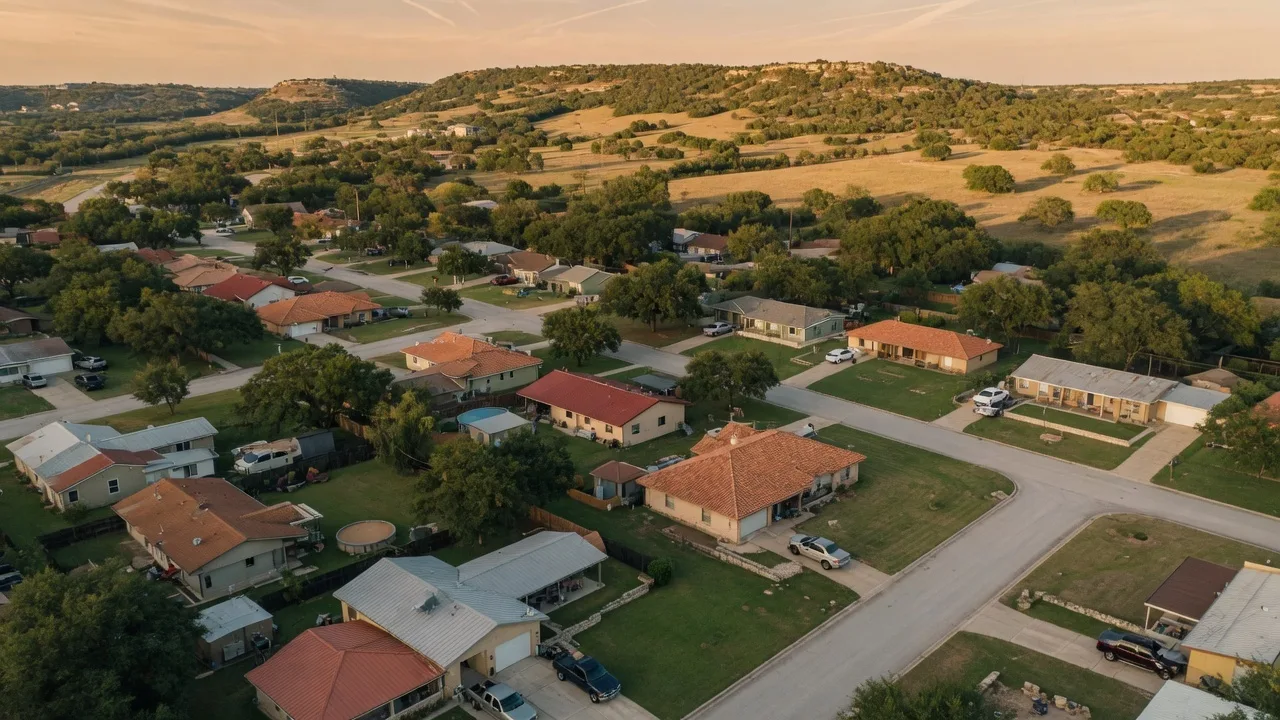
What an Out-of-State Executor Actually Faces
Being named executor of a Texas estate when you live in another state is not inherently unmanageable, but it does require deliberate planning from the start. The distance introduces challenges across nearly every aspect of estate administration: legal compliance, property maintenance, financial management, professional coordination, and family communication.
Texas law does not bar out-of-state executors from serving. However, a non-resident executor must appoint a resident agent in Texas who is authorized to accept legal process on the executor's behalf [1]. This is a statutory requirement, not a suggestion — and failure to comply can result in the executor being disqualified from serving [1].
The resident agent is not the person who manages the estate. The role is narrower: receiving legal notices and service of process in Texas. In many cases, the estate attorney or another reliable Texas resident may serve in that role, but the appointment must be handled properly through the probate court.
Beyond the legal threshold, an out-of-state executor has to solve a series of practical problems in rapid succession: How do you secure and maintain a property you cannot visit weekly? Who handles the mail? What insurance coverage is needed? Which professionals should be hired locally, and how do you evaluate someone you have never met? These questions should not be pushed aside. A vacant, uninsured Texas property with unanswered mail, unsecured access, and overgrown landscaping can begin creating legal and financial exposure almost immediately.
Being Named in the Will Is Not the Same as Having Authority
One of the most common misunderstandings among out-of-state executors is assuming that being named in the will gives them immediate legal authority to sell the house, sign contracts, access accounts, or hire vendors on behalf of the estate.
In Texas, the executor generally needs to be appointed by the probate court and receive letters testamentary before acting with full legal authority [7]. If there is no valid will, the court may appoint an administrator and issue letters of administration instead.
This matters in a real estate sale because title companies, attorneys, banks, and buyers will usually need proof that the person signing documents has legal authority to act for the estate. A will by itself is not always enough. Before listing the property, signing a contract, or making major decisions, confirm with the estate attorney that the proper court authority is in place.
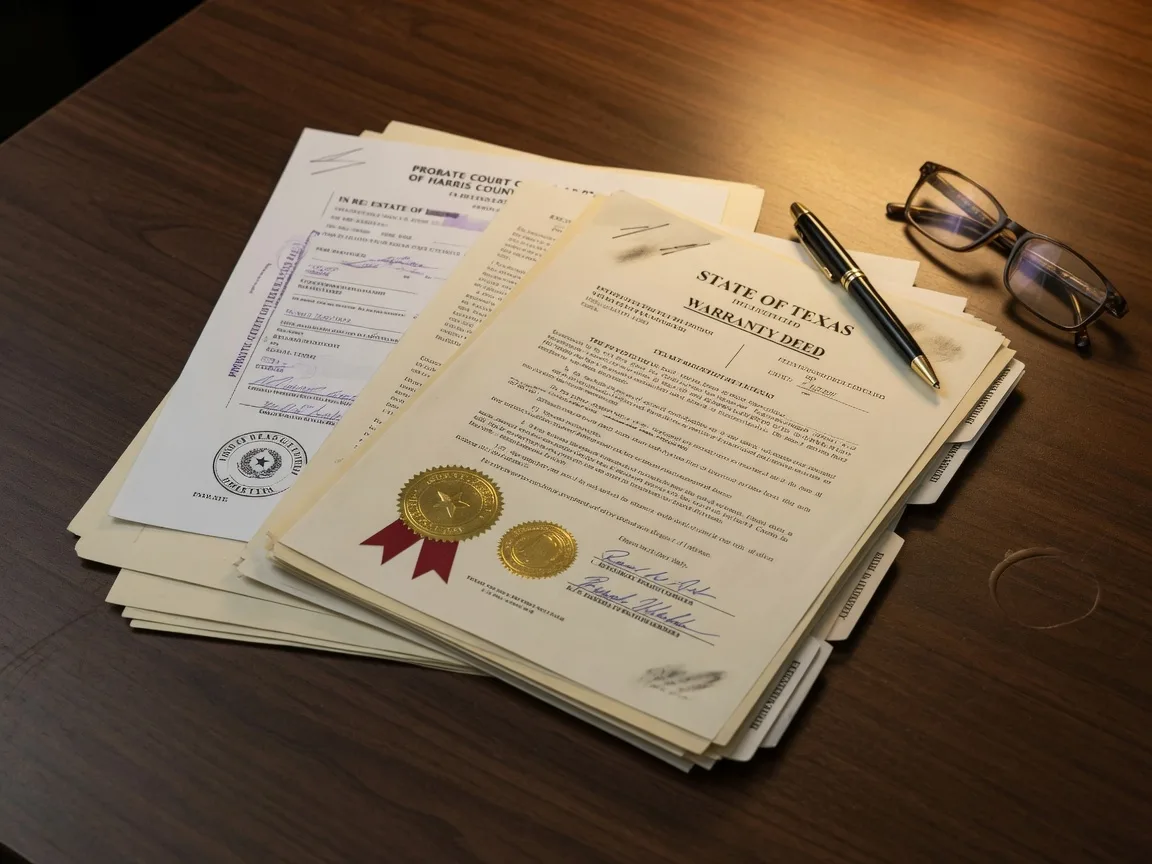
Texas Probate Basics: Independent vs. Dependent Administration
The single most important factor for an out-of-state executor is whether the estate is administered under independent administration or dependent administration. This distinction largely determines how much travel, court involvement, and time the process requires.
Independent administration is very common in Texas and is often available when the will authorizes it or when all required distributees agree to it [2]. But it should not be assumed automatically. One of the first questions an out-of-state executor should ask the probate attorney is whether the estate can proceed independently or whether court-supervised dependent administration will be required. Under independent administration, once the court appoints the personal representative and issues the appropriate letters, the executor or administrator may have broad authority to sell property, pay debts, hire professionals, and distribute assets without returning to the judge for approval at each step [3]. Many Texas wills expressly provide for independent administration. In many independent administrations, especially when the will waives bond, the executor may not need to post a bond. If the will is silent, the court may still require a bond unless a proper waiver applies [5]. The initial probate hearing may be the only significant court appearance, and some courts allow certain uncontested matters to be handled remotely, but procedures vary by county and judge. The estate attorney should confirm the procedure for the specific county court.
Dependent administration is the more traditional, court-supervised model. The executor or administrator must seek court approval for most significant actions, including selling real property [4]. A surety bond is generally required, and multiple court hearings may be necessary over the course of administration. Separately, Texas probate administrations generally require the personal representative to file an inventory, appraisement, and list of claims, or an affidavit in lieu of inventory when allowed, within the required deadline [15]. For an out-of-state executor, dependent administration creates real logistical and financial burdens.
| Factor | Independent Administration | Dependent Administration |
|---|---|---|
| Court supervision | Minimal — executor acts independently | Extensive — court approves most major actions |
| Bond required | Often waived by the will, but not automatic [5] | Generally required unless a valid waiver or exception applies |
| Court appearances | Usually minimal — often one hearing, sometimes handled remotely if the court permits | Multiple hearings likely over months |
| Authority to sell property | Often broad after letters are issued, subject to the will, court order, title requirements, and administration type [3] | Court approval is usually required before sale |
| Timeline | Often 6–12 months | Often 12–18+ months |
| Travel burden | Low — one trip or less, depending on court procedures | Moderate — multiple court dates |
| Best suited for | Most estates, especially where the will provides for it or distributees agree | Complex estates, contested situations, no valid will |
For an out-of-state executor, the key takeaway is this: one of the very first questions to ask the Texas estate attorney is what type of administration the estate will follow. If independent administration is available, the process is considerably more manageable from a distance. If dependent administration is required, additional planning — including potentially designating a co-executor or hiring a professional fiduciary — may be necessary.
Managing the Estate Remotely: Your Local Professional Team
Distance makes everything harder unless you build a reliable local team. An executor who tries to handle everything alone from another state — or who hires the wrong professionals — can easily create avoidable costs, delays, and communication problems. The right team is the single biggest variable in whether a remote estate sale goes smoothly or becomes a prolonged, expensive process.
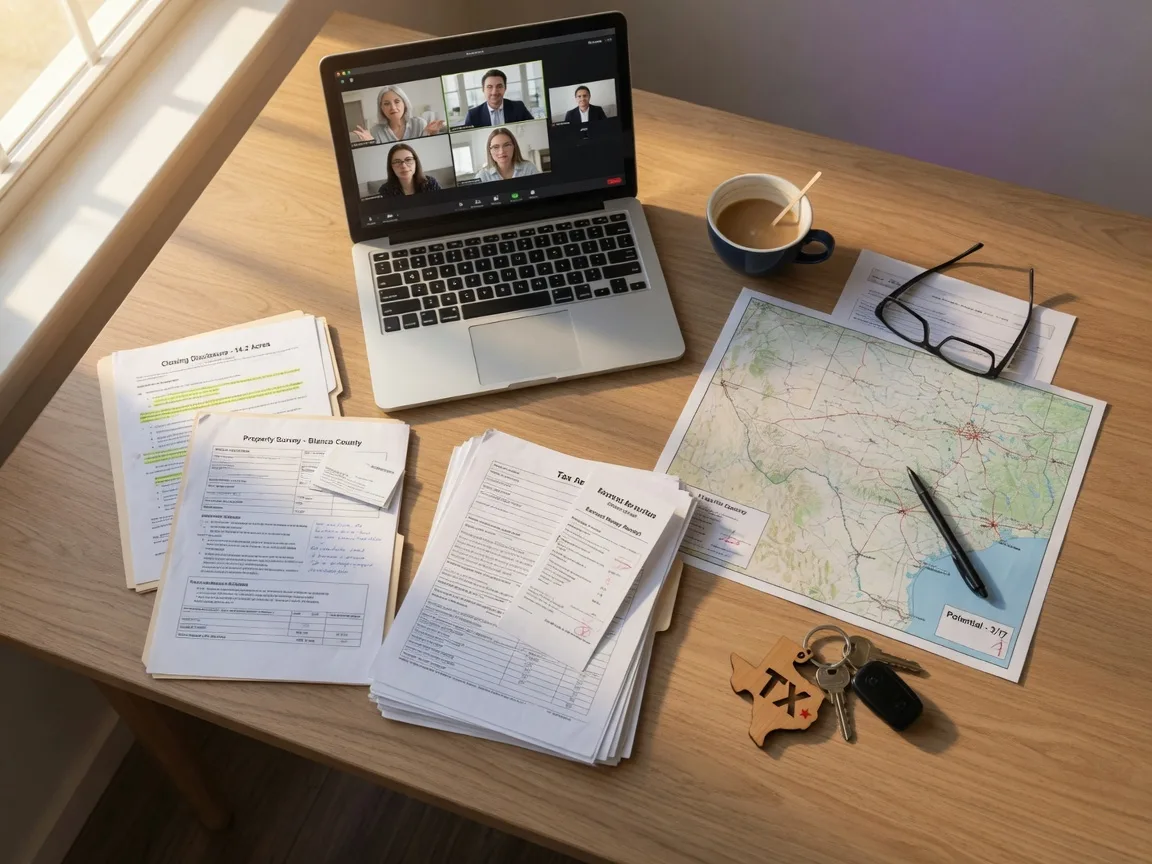
In many out-of-state executor sales, the following professionals may need to be involved early:
| Professional | Why They Matter | What to Look For |
|---|---|---|
| Texas estate attorney | Guides the legal process, files probate applications, ensures compliance with the Estates Code, advises on administration type | Probate-specific experience, local court familiarity, responsiveness to remote clients |
| Real estate agent (probate-experienced) | Provides market analysis, handles listing and sale, coordinates showings, manages offers and contract execution [9] | Certified Probate Expert designation, local market knowledge, experience with remote-executor transactions |
| Property manager or caretaker | Secures the property, handles routine maintenance, manages vendor access, monitors condition | Insured, reputable, local to the property, available for emergency calls, and licensed where licensing is required |
| CPA or tax advisor | Advises on estate tax obligations, property tax deadlines, stepped-up basis implications, and executor compensation [6] | Experience with estate and probate taxation in Texas |
| Title company | Handles title search, resolves liens or defects, issues title policy, manages closing | Experience with probate sales, familiarity with the local county clerk's office |
| Contractor or handyman | Addresses repairs, winterization, maintenance issues, and listing preparation | Insured, properly licensed where licensing is required, familiar with Hill Country properties, and able to provide written estimates |
The real estate agent deserves particular attention here. In a typical local sale, the agent works with the seller who lives in the home. In a remote executor sale, the agent often becomes the executor's eyes, ears, and on-the-ground coordinator. A probate-experienced agent understands the unique disclosure requirements, the potential for family disagreements, the court documentation that may be needed, and the timeline constraints that come with estate administration [9].
What the Title Company Will Need Before Closing
A probate sale does not close like an ordinary owner-occupied sale. The title company must confirm that the person signing the deed has authority to sell the property on behalf of the estate.
Depending on the facts, the title company may need some or all of the following:
- Certified death certificate
- Copy of the will, if there is one
- Order admitting the will to probate
- Letters testamentary or letters of administration
- Proof that the executor or administrator has authority to sell real property
- Inventory, appraisement, and list of claims, if required
- Court order approving the sale, if the administration is dependent
- Affidavits or heirship documents if title did not pass cleanly through a probated will
- Payoff information for mortgages, reverse mortgages, tax liens, judgments, HOA dues, or other encumbrances
For an out-of-state executor, the practical lesson is simple: involve the title company early. Waiting until a buyer is already under contract to discover a probate title problem can delay closing or kill the deal.

Communication and Coordination Across State Lines
Communication breakdowns are one of the most common sources of delay and expense in remote estate sales. When the executor is in a different time zone, decisions take longer, documents require more coordination to sign, and miscommunications between professionals can compound quickly. If you are coordinating the sale from California, our cross-state closing guide covers the timeline synchronization challenges.
Several practical strategies help keep a remote estate sale on track:
- Establish a single point of contact. Decide whether the attorney or the real estate agent will serve as the primary coordinator. Having two people managing the executor's instructions without communicating with each other creates confusion.
- Use a shared digital workspace. A simple shared folder (Google Drive, Dropbox, or similar) for documents, receipts, photos, and correspondence gives everyone access to the same information and creates a written record.
- Schedule regular check-ins. A weekly or biweekly call with the real estate agent and attorney keeps everyone aligned on timeline, tasks, and decisions. Waiting for email responses on time-sensitive matters leads to missed deadlines.
- Set up digital document signing carefully. Many routine transaction documents may be handled electronically, but probate filings, affidavits, deeds, title-company documents, and notarized closing documents may have special signature, notarization, or original-document requirements. Confirm with the attorney and title company in advance so that last-minute document issues do not require an emergency flight.
- Confirm closing and notarization requirements early. Many documents can be signed electronically, but deeds and certain closing documents may require notarization. Texas allows remote online notarization through properly authorized online notaries [13], but not every title company, lender, or transaction type handles remote signing the same way. Ask the title company early whether the executor can sign remotely, whether a mobile notary is needed, and whether any original wet-signature documents will be required.
- Plan one strategic trip. Even when some hearings, documents, and closing tasks can be handled remotely, one well-timed visit to the property — ideally early in the process — can help the executor see the home in person, meet key professionals face-to-face, and make better-informed decisions about repairs, pricing, and preparation.
Common Mistakes Out-of-State Executors Make
Distance creates blind spots. The mistakes below are not theoretical — they are patterns that repeat across the families who eventually end up seeking help after problems have already developed.

| Mistake | Why It Happens | What It Costs |
|---|---|---|
| Skipping property maintenance | Executor cannot visit regularly and assumes someone will handle it | Deterioration, code violations, insurance complications, reduced sale price |
| Ignoring tax deadlines | Unfamiliarity with Texas property tax calendar; assumption that taxes pause during probate | Penalties, interest, potential tax lien, and foreclosure risk [10] |
| Using the wrong comparable sales | Relying on online estimates or national data instead of local MLS comps | Overpricing, underpricing, missed buyer demand, or prolonged market time |
| Not getting a proper appraisal | Assumes online estimates are sufficient; avoids the cost | Uninformed pricing decisions, family disputes, potential fiduciary liability |
| Letting the property sit vacant without insurance or security | Does not know the policy lapses or requires vacancy endorsement | Uninsured damage, liability exposure, trespasser incidents |
| Hiring the cheapest contractor instead of the right one | No local network; chooses based on lowest bid | Unfinished work, liens, permit violations, delayed closing |
| Failing to secure access to the property | Assumes family members are trustworthy with keys | Missing personal property, unauthorized changes, liability for injuries |
| Trying to sell before probate is properly opened | Impatience; misunderstanding of legal authority requirements | Invalid contract, title defects, delayed closing, potential lawsuit |
| Ignoring the mortgage, HELOC, reverse mortgage, HOA balance, or lien payoff | Executor assumes the house can sit until probate is complete | Default risk, collection pressure, payoff surprises, delayed title clearance, or forced-sale pressure |
If the property has a mortgage, HELOC, reverse mortgage, HOA dues, judgment lien, Medicaid estate recovery issue, or delinquent taxes, the executor should identify those obligations early. A property can have strong market value and still be difficult to sell if liens, payoffs, or creditor claims are not addressed before listing.
Do Not Treat the Contents as an Afterthought
Many estate-sale problems start inside the house, not with the house itself. Furniture, tools, jewelry, firearms, vehicles, documents, family photos, collectibles, medications, and financial records all need to be handled deliberately.
Before clean-out begins, the executor should document the contents with photos or video, identify obvious valuables, secure legal and financial documents, and communicate clearly with heirs about what may be removed and when. If family members are allowed to take items informally before the estate is documented, disputes can escalate quickly and the executor may be accused of favoritism or poor recordkeeping.
For a remote executor, the safest approach is usually to pause access, document the contents, consult the attorney about personal-property distribution, and then use a reputable estate-sale company, clean-out company, or appraiser when appropriate.
How Texas Property Taxes Work During Probate
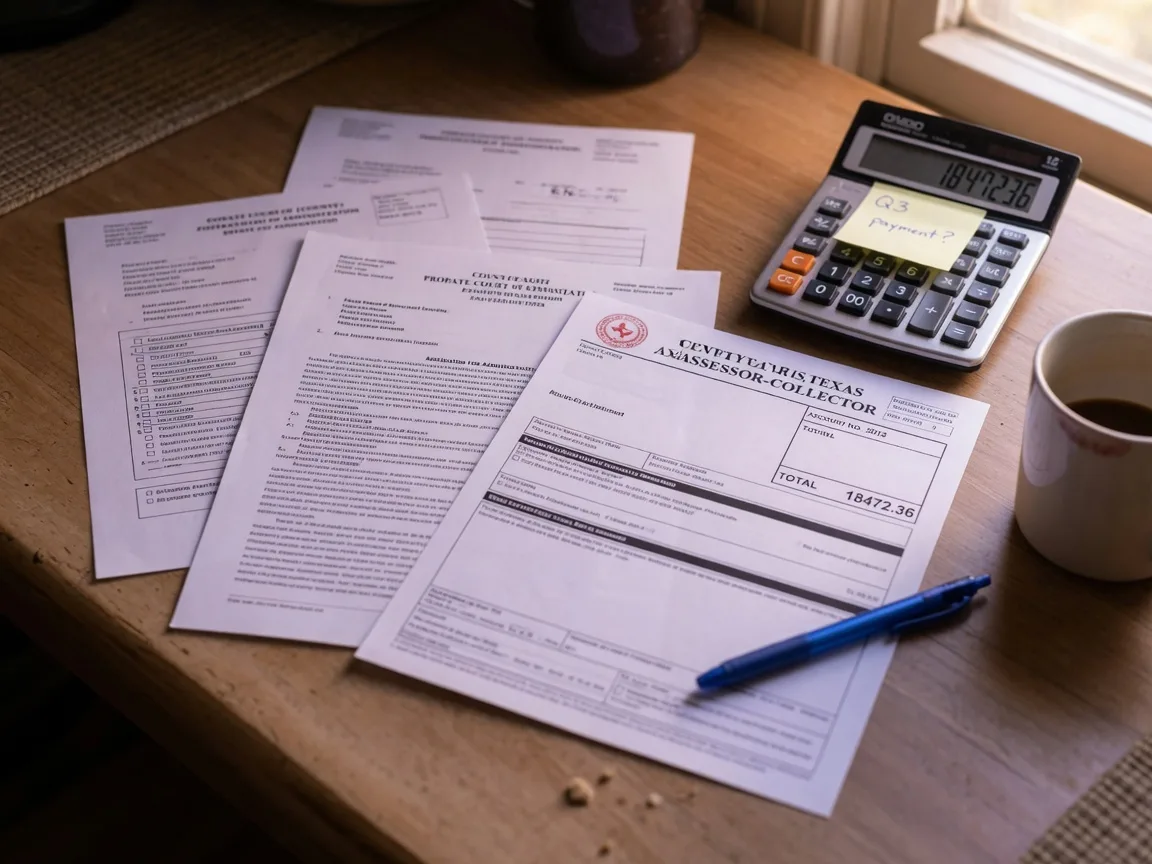
Texas property taxes are one of the areas where out-of-state executors most frequently get caught off guard. The taxes do not pause because someone has died. They continue to accrue on the property, and the estate — through the executor — is responsible for paying them [10].
Here are the key facts every executor needs to know:
- Texas property taxes are generally due when the tax bill is received and become delinquent if not paid before February 1. For practical planning, executors should treat January 31 as the payment deadline. On February 1, the tax collector adds a 6% penalty and 1% interest. Additional penalty and interest can continue to accrue, and if the account is referred for collection, attorney collection fees may add up to 20% more, depending on the taxing unit and timing [10].
- The homestead exemption may be removed or changed if the property no longer qualifies as a residence homestead after the owner's death. Surviving-spouse, heir-property, and continued-occupancy rules can affect eligibility, so the executor should confirm the status with the county appraisal district rather than assuming the exemption will continue [10].
- Over-65, disabled, and related homestead benefits require careful review after death. Deferred taxes are not forgiven; they remain secured by the property and can become payable when the qualifying owner dies, sells, transfers ownership, or no longer occupies the property as a residence homestead. A surviving spouse may be able to continue certain benefits if statutory requirements are met [11]. Executors should ask the tax office or estate attorney whether any deferral, tax ceiling, surviving-spouse rule, or delinquency notice applies.
- If taxes are already delinquent, the executor should request a current payoff directly from the tax office before relying on an old bill, online estimate, or family member's understanding of what is owed.
The practical implication: an out-of-state executor needs to determine immediately whether property taxes are current, whether the homestead exemption is still valid, and how the estate will fund ongoing tax payments. Leaving this unaddressed for even a few months can result in significant and entirely avoidable costs.
Timeline Expectations: From Opening Probate to Closing
One of the most common questions out-of-state executors ask is how long the entire process takes. The honest answer is that it depends on the type of administration, the county court's schedule, the property's condition, and the local real estate market — but general ranges are useful for planning.

| Phase | Typical Duration | Key Activities |
|---|---|---|
| Filing probate application | 1–4 weeks | Retain attorney, file application with the county court, publish required notices |
| Court hearing & letters issued | 2–8 weeks after filing | Attend hearing if required, which may be remote in some uncontested matters; receive letters testamentary or letters of administration |
| Property assessment & preparation | 2–6 weeks | Secure property, assess condition, complete any necessary repairs, obtain appraisal, clean-out if needed |
| Active listing & marketing | 30–90 days (market dependent) | List property, conduct showings, review offers, negotiate contract |
| Contract to closing | 30–45 days | Buyer inspections, title work, repairs negotiation, final walkthrough, closing |
| Total (independent administration) | Roughly 6–12 months | End-to-end from filing to closing, assuming straightforward situation |
For dependent administration, add two to six months for additional court hearings, required approvals, and more extensive documentation requirements. The timeline also extends when property condition requires significant repairs, when title issues surface, when family disagreements slow decision-making, or when the county court has a crowded docket.
Understanding the local market is essential — our Boerne property tax guide explains how property values are assessed in Kendall County. An executor should not rely on statewide averages or national real estate estimates when pricing an estate home. Days on market, buyer concessions, inventory, inspection demands, and investor activity can vary sharply between Boerne, Fair Oaks Ranch, San Antonio, New Braunfels, Bandera, and smaller Hill Country communities. A current local CMA should include active competition, pending sales, recent closed sales, price reductions, seller concessions, and the likely buyer pool for the property's actual condition.
Costs and Fees an Executor Should Expect
Estate administration involves real costs, and out-of-state executors should budget for them early. These are not optional expenses — they are necessary parts of properly administering an estate and selling a property.
| Cost Category | Typical Range | Notes |
|---|---|---|
| Court filing fees | $300–$800 | Varies by county; includes probate application and issuance of letters |
| Estate attorney fees | Varies widely | Depends on complexity, county, attorney fee structure, disputes, title issues, court involvement, and whether administration is independent or dependent |
| Surety bond (if required) | Varies by bond amount, underwriting, court order, and estate facts | Bond requirements depend on the will, court order, fiduciary, administration type, and any applicable waiver or exception [5] |
| Real estate brokerage fees | Negotiable; set by listing agreement | Fees are not set by law [14]. Confirm listing-side compensation, any buyer-broker compensation strategy, and how fees will be handled at closing. |
| Appraisal or valuation support | Varies by property type and assignment | May include a formal appraisal, broker price opinion, comparative market analysis, or other valuation support depending on the estate, tax, court, title, and pricing needs |
| Property maintenance (monthly) | $200–$800 | Landscaping, utilities, pest control, pool service, minor repairs |
| Property taxes (annual) | Varies by county and value | Can increase significantly if homestead exemption is removed [10] |
| Insurance (hazard + liability) | $100–$400/month | Vacancy endorsements may be needed; standard policies may not cover vacant homes |
| Clean-out and estate sale | $1,500–$10,000+ | Depends on property size and volume of contents |
| Title work, closing fees, and owner's title policy | Varies by sale price and transaction details | Texas title insurance premiums are regulated and based on the property's sale value. Ask the title company for a seller net sheet that separates title premium, escrow/closing fees, recording fees, curative work, tax prorations, and any probate-related requirements. |
Texas executor compensation is often misunderstood. The statutory commission is generally based on 5% of certain cash amounts the executor actually receives or pays out in administering the estate, but important exclusions apply [6]. It is not simply 5% of the total estate value or 5% of the home's sale price. Cash already held by the decedent at death, certain insurance proceeds, and distributions to heirs or beneficiaries may be excluded from the calculation. Executors should discuss compensation with the estate attorney before assuming what will be payable, when it will be payable, or whether it is worth claiming.
Selling As-Is vs. Investing in Repairs
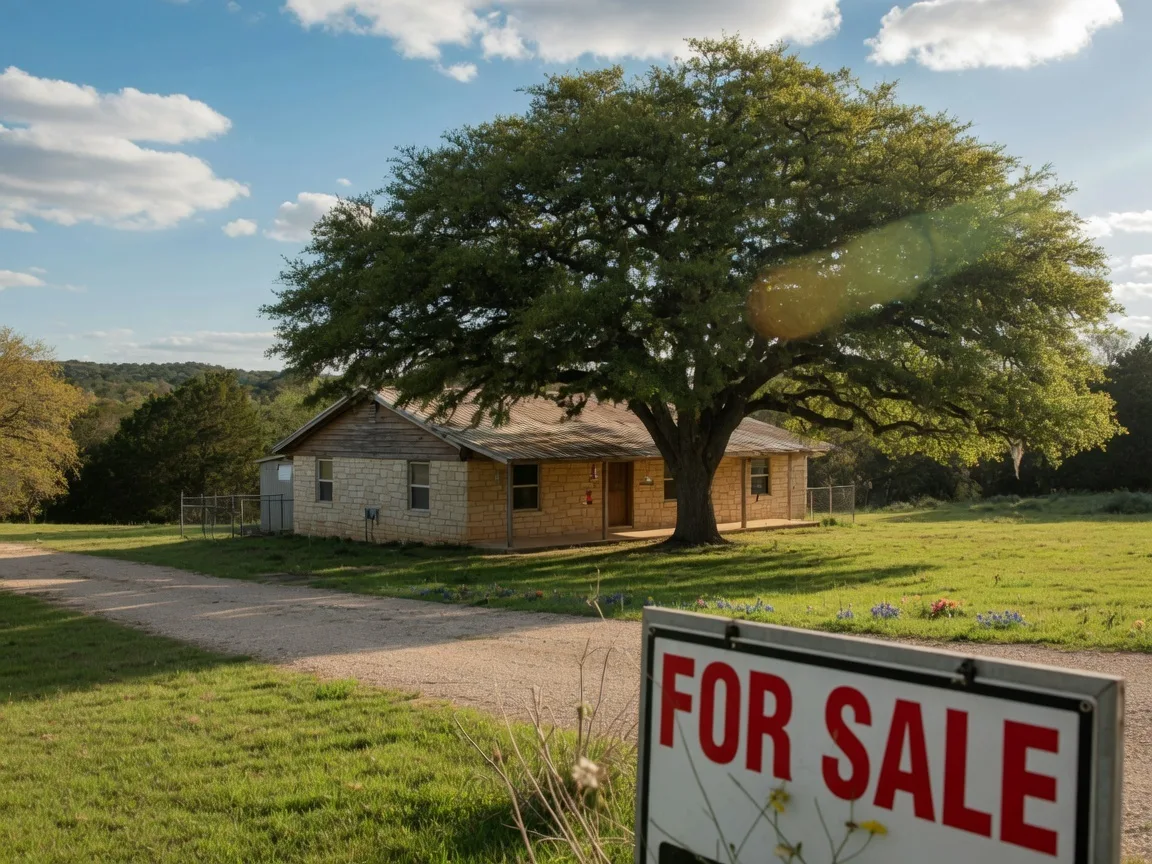
For an out-of-state executor, the question of whether to repair the property before listing is one of the most consequential decisions in the entire process. The answer depends on the property's current condition, the local market, the estate's financial position, and the family's timeline.
Selling as-is means listing the property in its current condition, disclosing known defects, and letting the buyer accept the property as it stands. This approach is faster, requires less coordination from a distance, and avoids the risk of contractor delays and cost overruns. It also attracts investor buyers and cash buyers who specialize in renovation properties. The trade-off is usually a lower sale price. Depending on condition, buyer pool, financing limitations, and local demand, the discount can be substantial.
Investing in selective preparation — addressing the issues that most affect buyer perception, financing, safety, insurability, or marketability — can increase the sale price meaningfully. For many estate homes, the most useful preparation items are often modest and practical: deep cleaning, minor paint touch-ups, landscaping, safety repairs, odor removal, pest treatment, and basic fixes that reduce visible deferred maintenance. For properties in the Hill Country market around Boerne, Fair Oaks Ranch, and San Antonio, the cost-benefit calculation often favors light preparation over full renovation.
The common mistake is the middle ground: spending significant money on repairs that do not change the buyer's perception enough to justify the cost. A new roof or HVAC system might be necessary for financing or insurability, but it does not always pay back dollar-for-dollar in sale price. Lower-cost preparation, such as paint touch-ups, deep cleaning, and landscaping, often improves buyer perception without taking on full renovation risk. An experienced local real estate agent can provide the market-specific guidance needed to make this decision well.
The Role of the Real Estate Agent in a Remote Sale
In a remote executor sale, the real estate agent is not just a listing agent. They become the executor's primary point of contact for everything related to the property — condition assessment, repair coordination, buyer management, showings, contract execution, and closing logistics.
A probate-experienced agent brings specific capabilities that a generalist agent may not:

- Property valuation with estate context. Understanding that an inherited property's market value is not the family's memory of what the home was worth when the owner lived there. An honest comparative market analysis accounts for the property's current condition and the buyer pool it will attract [9].
- Disclosure guidance. Texas has specific residential disclosure rules, and a fiduciary selling property in the course of administering a decedent's estate may be exempt from the standard Seller's Disclosure Notice under Texas Property Code § 5.008 [12]. That does not mean the executor should hide known defects, title problems, insurance claims, flooding, foundation issues, litigation, or other material facts. A probate-experienced agent and estate attorney can help the executor distinguish between statutory form exemptions and the practical obligation to be accurate, careful, and transparent about known property issues.
- Remote coordination. Regular photo and video updates, scheduled video walkthroughs, digital document management, and consistent communication. The agent should be comfortable working with an executor they may never meet in person until closing day — or possibly not even then.
- Contractor and vendor network. A well-connected local agent has relationships with contractors, cleaners, landscapers, inspectors, and other service providers who can be mobilized quickly and priced fairly.
In communities across the Texas Hill Country — from Boerne and Fair Oaks Ranch to San Antonio and the surrounding counties — the right agent can be the difference between a coordinated sale process and months of avoidable delay. The agent's local market knowledge, probate experience, and ability to serve as a reliable remote coordinator make them the most important hire the executor will make.
A Practical Way to Start
If you are managing the sale from outside Texas, the first useful step is not committing to a listing. It is getting a clear read on the property, the probate status, the likely title requirements, and the local market. A remote executor consultation should answer four questions:
- Do you have authority to sell yet?
- What does the title company need before closing?
- What condition is the property actually in?
- Is the estate better served by selling as-is, doing light preparation, or delaying until legal issues are resolved?
Those answers usually determine whether the sale can proceed smoothly or whether hidden problems need to be addressed first.

A Personal Note
Managing an estate sale from another state adds real complexity to an already difficult situation. In my experience, families that build a strong local team early — an experienced attorney, a probate-knowledgeable real estate agent, and a reliable property caretaker — are usually better positioned to avoid delays and complications than families trying to manage everything from a distance with phone calls and good intentions.
The Hill Country communities where I work — Boerne, Fair Oaks Ranch, San Antonio, and the surrounding counties — each have their own quirks. Court procedures vary by county. Market conditions differ from one neighborhood to the next. Having someone who knows the local landscape is not a luxury. It is a practical necessity.
If you are an out-of-state executor facing the sale of a Texas estate property, the most useful thing I can tell you is this: start early, build your team deliberately, and do not let distance become an excuse for inaction. The problems that distance creates are manageable — but only if you address them proactively.
Frequently Asked Questions
Can an executor sell a house in Texas without ever visiting the property in person?
Yes. Texas law does not require the executor to physically visit the property in order to sell it. If the executor has been properly appointed and has the necessary authority, many listing, negotiation, document-signing, and closing tasks can be handled through the attorney, title company, real estate agent, and other authorized representatives. In an independent administration, authority is usually broader, but it still depends on the will, court order, letters testamentary or letters of administration, title-company requirements, and the specific facts of the estate.
What happens if I miss a property tax payment while the estate is in probate?
Texas property taxes generally become delinquent if not paid by January 31. On February 1, the tax collector adds a 6% penalty and 1% interest [10]. Additional penalty and interest can continue to accrue, and if the account is referred for collection, attorney collection fees may add up to 20% more, depending on the taxing unit and timing. In extreme cases, the county can initiate a tax foreclosure action against the property. An executor who is managing the estate from out of state needs to confirm immediately whether property taxes are current and set up a system to ensure timely payment.
Do I need to be physically present in court for probate hearings?
For independent administration, some Texas probate courts allow initial hearings or routine matters to be handled remotely, but procedures vary by county and judge. The executor's attorney can advise whether remote appearance is available, whether telephone or video appearance is permitted, or whether the attorney can appear for routine proceedings. For dependent administration, court appearances may be more frequent and in-person attendance may be required at certain stages.
How do I choose between selling as-is and making repairs?
The decision depends on three factors: the property's current condition relative to the local market, the estate's financial capacity to fund repairs, and the family's timeline. A comparative market analysis from a local agent will show what comparable properties are selling for in as-is condition versus prepared condition. In many Hill Country estate-sale situations, light preparation — cleaning, minor paint touch-ups, landscaping, safety repairs, odor removal, and basic deferred-maintenance fixes — can improve buyer perception and may support a stronger sale outcome. Full renovation rarely pays back dollar-for-dollar and introduces contractor risk and delay that an out-of-state executor is poorly positioned to manage. An experienced local agent can run the numbers for the specific property.
What if the will does not provide for independent administration?
If the will does not expressly provide for independent administration, Texas law may still allow independent administration if the required distributees consent and the court approves it [2]. If the required agreement cannot be obtained, or if the court determines independent administration is not appropriate, the estate may proceed under dependent administration, which requires court oversight for most major decisions. This is one reason why early family communication and alignment is critical — disagreements about the type of administration can add months and thousands of dollars to the process.
Can I hire a property manager to take care of the home while it is being sold?
Yes. In fact, hiring a property manager or caretaker is one of the most important steps an out-of-state executor can take. The property manager secures the property, handles routine maintenance, monitors for problems (leaks, weather damage, pest issues), manages vendor access, and provides regular updates. For vacant properties in the Hill Country, where summer heat and occasional severe weather can cause rapid deterioration, having someone physically checking on the property is essential. The cost should be weighed against the potential damage from neglect, especially if the property is vacant, uninsured for vacancy, difficult to access, or exposed to weather, pests, leaks, or unauthorized entry.
How much does it typically cost to sell a probate home in Texas?
Total costs depend on the property value, the type of administration, the property's condition, and the terms of the listing agreement. Common cost categories include attorney fees, court filing fees, appraisal fees, title work, negotiated real estate brokerage fees [14], insurance, taxes, maintenance, utilities, clean-out costs, and repairs or preparation work during the listing period.
Does the executor have to live in Texas to handle the paperwork?
No. The executor must designate a Texas resident agent for service of process [1], but the executor does not need to reside in Texas. Much of the paperwork may be handled electronically, through the attorney, through the title company, or by mail. The key requirement is maintaining responsiveness and ensuring the resident agent designation is properly filed with the court. Some documents may still require notarization, original signatures, court-specific procedures, or title-company-specific handling.
Can I sign closing documents from out of state?
Often yes, but confirm early. Texas allows remote online notarization through properly authorized online notaries [13], but electronic signatures and remote notarization are not handled the same way in every transaction. Not every title company, lender, or transaction type will accept the same remote-signing process, and some documents — particularly deeds — may require notarization, original documents, or special coordination.
Do I need a court order to sell the property?
It depends on the type of administration. Under independent administration, the executor often has authority to sell real property without prior court approval after the court has appointed the executor and issued the required letters, unless the will, court order, title requirements, or specific estate facts limit that authority. Under dependent administration, a court order is typically required before the executor or administrator can sell real estate. This is one of the key reasons to determine the administration type early in the process. The estate attorney and title company can confirm what authority is needed before the property is listed or placed under contract.
Sources
- Texas Estates Code Chapter 304 — Persons Disqualified to Serve as Executor or Administrator (non-resident executor provisions and resident agent requirement). statutes.capitol.texas.gov/Docs/ES/htm/ES.304.htm
- Texas Estates Code Chapter 401 — Independent Administration: Creation. statutes.capitol.texas.gov/Docs/ES/htm/ES.401.htm
- Texas Estates Code Chapter 402 — Powers of Independent Executor. statutes.capitol.texas.gov/Docs/ES/htm/ES.402.htm
- Texas Estates Code Chapter 351 — Powers and Duties of Personal Representatives (dependent administration). statutes.capitol.texas.gov/Docs/ES/htm/ES.351.htm
- Texas Estates Code § 305.101 — Bond Requirements for Executors. statutes.capitol.texas.gov/Docs/ES/htm/ES.305.htm
- Texas Estates Code § 352.002 — Executor Compensation (statutory commission). statutes.capitol.texas.gov/Docs/ES/htm/ES.352.htm
- TexasLawHelp — Probate Court Basics: Letters Testamentary and Letters of Administration give the personal representative authority to act. Texas Estates Code § 301.151 sets the proof requirements for issuance of letters. texaslawhelp.org/article/probate-court-basics
- Nolo — Texas Probate Overview: An Overview of the Probate Process in Texas. nolo.com/legal-encyclopedia/texas-probate-overview.html
- Texas Probate Lawyer — The Role of Real Estate Agents in the Texas Probate Process. txprobatelawyer.net/the-role-of-real-estate-agents-in-texas-probate-tips-for-executors/
- Texas Comptroller of Public Accounts — Property Tax Delinquency, Penalties, and Interest. comptroller.texas.gov/taxes/property-tax/bills/penalty-bills.php
- Texas Tax Code § 33.06 — Deferral of Collection for Disabled or Elderly. statutes.capitol.texas.gov/Docs/TX/htm/TX.33.htm
- Texas Property Code § 5.008 — Seller's Disclosure of Property Condition (fiduciary exemption for estate sales). statutes.capitol.texas.gov/Docs/SP/htm/SP.5.htm
- Texas Secretary of State — Getting Started as an Online Notary. The Secretary of State explains that a Texas online notary may perform remote notarization using an audio-visual conference rather than requiring physical appearance before the notary. sos.state.tx.us/statdoc/gettingstarted.shtml
- Texas Real Estate Commission (TREC) — Consumer Guide: Fees Are Not Regulated by TREC. TREC states that fees paid to real estate license holders are not regulated by TREC and are set by agreement with each professional. trec.texas.gov/public/consumer-information
- Texas Estates Code Chapter 309 — Inventory, Appraisement, and List of Claims; Affidavit in Lieu of Inventory. statutes.capitol.texas.gov/Docs/ES/htm/ES.309.htm
- Texas Comptroller of Public Accounts — Property Tax Exemptions: Residence Homestead, Inherited Residence Homestead, Age 65 or Older or Disabled Persons, and surviving-spouse eligibility. comptroller.texas.gov/taxes/property-tax/exemptions/

About the Author
Bill Ross is a licensed Texas real estate agent and Certified Probate Expert with Hill Country Homesteads Group, brokered by Keller Williams Boerne. With nearly four decades of experience in high-tech sales and marketing, Bill founded Hill Country Homesteads to provide clear, strategic guidance for families navigating probate real estate in the Texas Hill Country. He was featured in national coverage discussing his family's relocation from Silicon Valley to the Texas Hill Country, and he maintains a direct professional network of almost 1,000 California real estate agents to coordinate seamless transitions. He serves Boerne, Fair Oaks Ranch, San Antonio, and the surrounding Hill Country communities.
Continue Reading
More practical guidance for executors, administrators, and families navigating the Texas probate process.