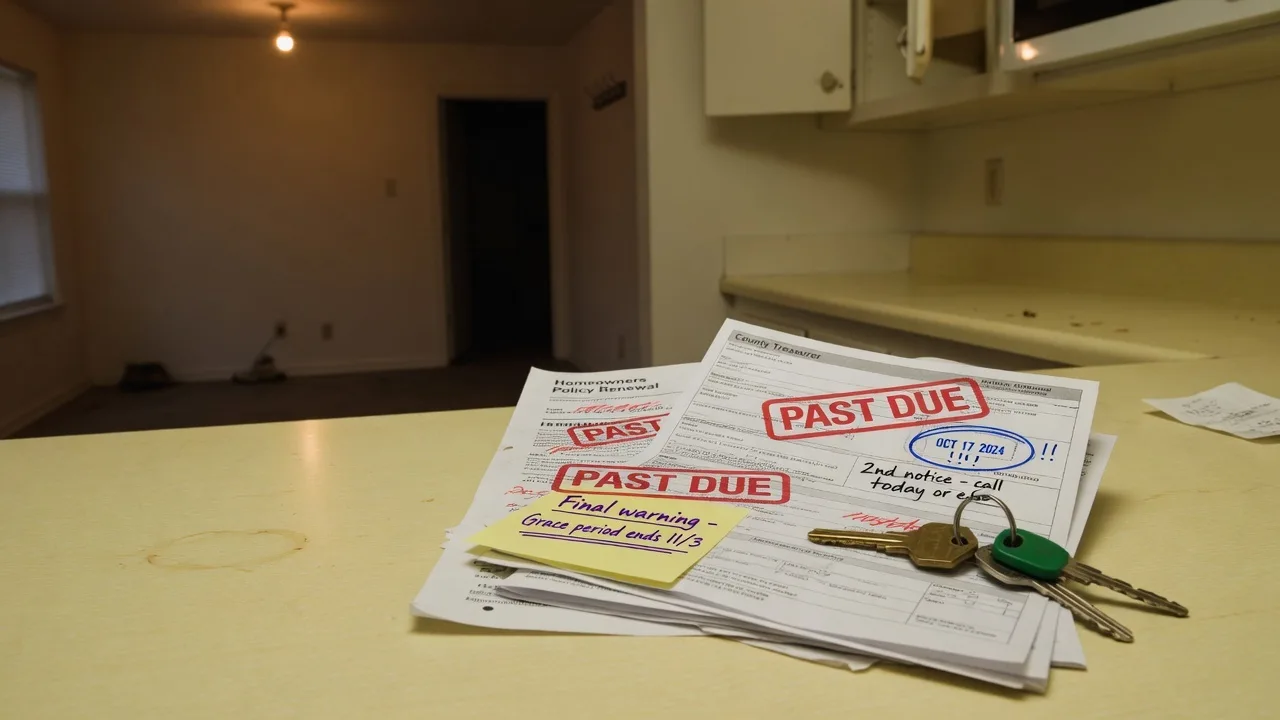

Every week an inherited home sits without a plan, the estate continues to incur carrying costs and remains exposed to insurance, maintenance, title, financing, and market risk. Taking protective action early can preserve the family's options without forcing an immediate decision to sell.
The following is a hypothetical example designed to illustrate how carrying costs and an unexpected repair can accumulate. It is not a description of a particular client or probate estate.
Consider a hypothetical family managing a $465,000 home in Boerne after the owner's death. The family needs time to grieve, locate documents, open the estate, and agree on what to do with the property. Fourteen months pass before the house is prepared for sale.
Assume the home costs approximately $1,900 per month to carry, including property taxes, insurance, utilities, HOA assessments, lawn care, inspections, and routine maintenance. Over 14 months, those expenses would total approximately $26,600 before any mortgage payments, legal expenses, major repairs, selling costs, or changes in market value.
Now assume an undetected plumbing leak causes $8,500 in damage. The estate's actual additional loss would depend on the deductible, policy exclusions, and amount reimbursed by the insurer. The lesson is not that every estate will lose the same amount. It is that delay creates a measurable monthly burn rate while increasing exposure to potentially preventable losses.
None of this was inevitable. Most of it was preventable with a few early decisions. This article explains how waiting costs families money — and what families can do right now to limit avoidable carrying costs.
This article provides general educational information and is not legal, tax, insurance, or financial advice. Estate circumstances and property rights vary. Consult the appropriate licensed professionals regarding a specific estate.
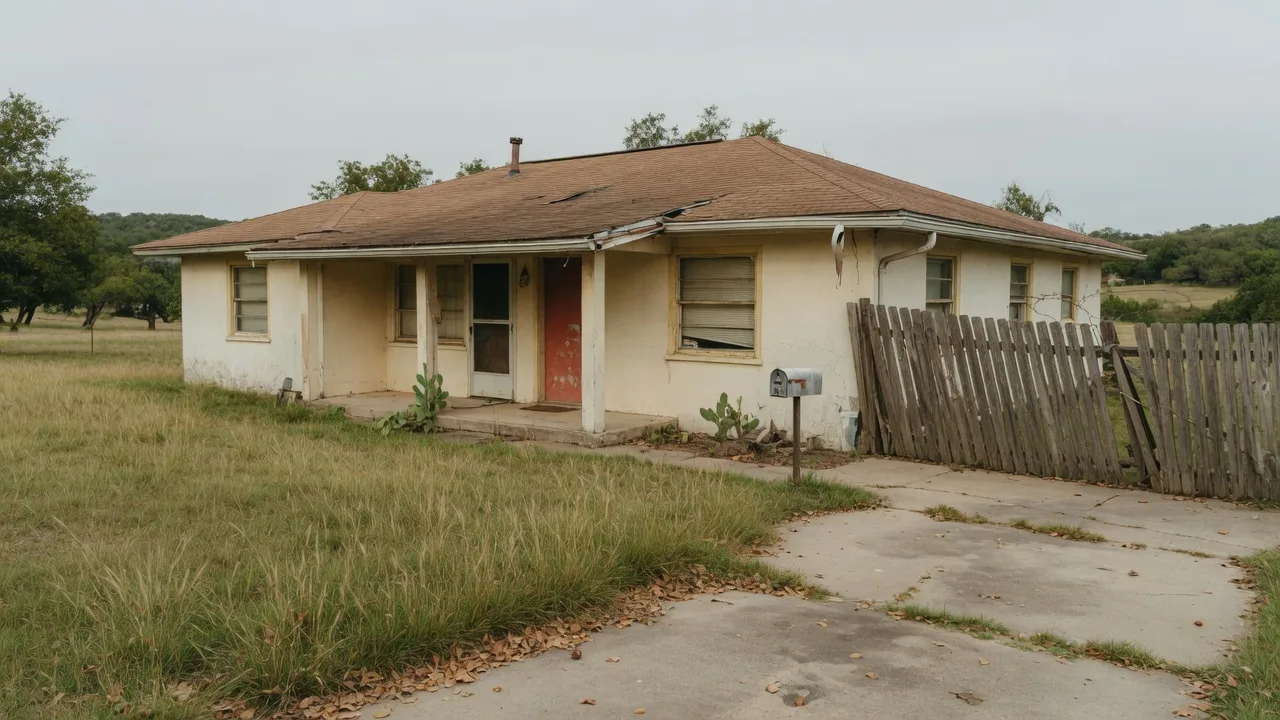
The Hidden Clock: An Estate House Starts Incurring Costs Immediately
The owner's death does not stop the property's existing expenses. Property taxes, insurance, loan payments, utilities, HOA assessments, security, and maintenance may continue while the family establishes legal authority and decides what to do with the property.
Property taxes don't pause for grief. Insurance premiums don't wait for family meetings. HOA dues don't care whether probate is moving fast or slow. And the physical condition of a vacant house doesn't hold steady just because nobody is paying attention.
Texas estate-administration timelines vary considerably. An uncontested independent administration may proceed much faster than a dependent, disputed, or unusually complex estate. Some assets may also pass through a trust, transfer-on-death deed, survivorship arrangement, or another nonprobate mechanism. The family should obtain a case-specific timeline from its probate attorney rather than relying on a statewide average. During that entire window — even if the personal representative is doing everything right — the estate is spending money every month on the property. The question is not whether the estate will pay. The question is how much it will pay, and whether those payments are planned or reactive.
Early, proactive steps — securing the property, maintaining basic insurance, and setting up a maintenance plan — generally cost less over the life of the process than waiting months to act and then addressing accumulated problems reactively.
Property Tax Considerations
- Accumulation: Texas property taxes are set locally. Calculate monthly reserves by dividing the annual bill by 12.
- Exemptions: The $140,000+ homestead exemption (varies by age/disability) requires specific ownership and occupancy, according to Texas Comptroller.
- Tax Ceiling: Surviving spouses (55+) can transfer over-65 tax caps, but must file with the local appraisal district to avoid increases.
- Delinquency: Taxes are due January 31, with penalties reaching 18% by July 1, plus 20% collection fees, per Texas Tax Code § 33.01.

The Step-Up in Basis
According to IRS Publication 551, the property's cost basis resets to fair market value at the time of death. This often eliminates capital gains tax on previous appreciation, as noted in IRS Publication 523.
Calculate This Estate's Actual Monthly Carrying Cost

Every estate is different. Use actual bills, written quotes, and property-specific estimates rather than statewide averages.
Monthly Carrying Cost Worksheet
Monthly property-tax reserve
Homeowners, vacant-home, or dwelling insurance
Mortgage, home-equity loan, or other secured debt
Utilities
Association charges
Routine property care
Multiply the monthly total by the expected holding period:
$________ per month × ______ months = $________
This estimate should be updated whenever insurance, taxes, occupancy, repairs, or the expected sale timeline changes.
Managed Property vs. Unmanaged Property
Time alone is not the only issue. The more useful comparison is between a managed property and an unmanaged property.
A managed estate property generally has:
- Confirmed authority to act
- Written insurance confirmation
- Current taxes, loan payments, utilities, and HOA assessments
- Regular documented inspections
- Appropriate HVAC, plumbing, security, lawn, and seasonal care
- A current repair and market-value assessment
- A written decision date
An unmanaged estate property may have:
- Uncertain insurance coverage
- Missed tax, mortgage, HOA, or utility obligations
- Undetected leaks or storm damage
- No inspection documentation
- Unauthorized access or removal of contents
- Growing family conflict
- No agreed timetable or responsible decision-maker
The goal is not necessarily to sell immediately. The goal is to stop preventable losses while the family makes an informed decision.

Emotional vs. Financial Decision-Making: Both Are Real
This is the part where I want to be direct, but also honest about what I've seen working with families for years: grief is real, and it affects every family differently. The reluctance to make decisions about a loved one's home is entirely human and entirely understandable. Nobody should feel rushed into selling a home the week after a funeral.
But here's what experience has taught me: the families who protect the most equity are not the ones who make the fastest decisions. They're the ones who make early decisions — not about selling, but about protecting the asset while the family takes the time it needs to grieve and decide.
The most common patterns I see:
- Decision paralysis. The personal representative is overwhelmed by probate itself and puts the property decision "on the list" for later. Weeks become months. Months become a year. The property deteriorates while nobody decides anything.
- Family disagreement. Multiple heirs have different opinions about whether to keep or sell. Without a resolution mechanism, the default outcome is inaction — and inaction has a monthly price tag that shows up nowhere until the eventual closing statement.
- Sentimental attachment. The house feels like the last tangible connection to the person who died. Selling feels like letting go. This is deeply personal and deserves respect — but it should not be confused with a financial strategy.
- "We'll deal with it after probate closes." Estate administration timelines vary, but holding the property for the entire duration without a plan means paying carrying costs for the whole period — and dealing with whatever deterioration has accumulated by the time you're ready to act.
Grief and financial responsibility are not in competition. A family can grieve deeply and still take practical steps to protect the estate's value. Having a plan does not mean rushing to sell. It means ensuring the estate's largest asset is being maintained, insured, and positioned for the best possible outcome — even if the actual sale happens months down the road.
What Families Can Do Right Now
If you're reading this and recognizing your own situation — the house is sitting there, nothing's been done, and the months are piling up — here are the practical first steps. None of these require a final decision about selling. They're about protecting the asset while the family takes the time it needs.
Confirm legal authority and occupancy
Determine how title passed, whether probate is required, who has been appointed, who occupies the property, and whether a spouse, tenant, co-owner, trustee, or beneficiary has possession rights.
Notify the insurer in writing
Disclose the owner's death and the property's actual occupancy status. Obtain written coverage terms, exclusions, inspection requirements, and any required endorsement or replacement policy.
Do Not Ignore the Mortgage Servicer
If the property has a mortgage, home-equity loan, or reverse mortgage, notify the servicer immediately to stop potential foreclosure and determine required documentation.
Key actions for the servicer:
- Confirm: Get written verification of payoff/reinstatement amounts, escrow, and insurance.
- Document: Submit successor-in-interest documentation promptly.
- Reverse Mortgage: Understand that while federal HUD guidelines allow time for sale or payoff, you must communicate immediately to avoid default.
Note: Do not assume probate automatically halts deadlines.

Secure and document the property
Inventory keys, access devices, contents, condition, utility settings, photographs, and video. Avoid removing property until authority and ownership are clear.
Verify taxes, HOA obligations, and utilities
Obtain actual balances and due dates. Determine whether any exemption, deferral, lien, special assessment, or delinquency affects the property.
Establish a written inspection and maintenance plan
Assign responsibility, inspection frequency, contractor contacts, seasonal preparation, and documentation requirements.
Obtain property, title, and repair information
Request a preliminary title review, market analysis, and condition assessment. Identify repairs that preserve the asset separately from renovations intended to increase sale price.
Establish a written 30-, 60-, or 90-day decision date
The family may decide to sell, retain, rent, distribute, or seek additional legal or tax advice. A documented review date prevents indefinite inaction.
First Determine How Title Passed
An inherited home is not always transferred through a traditional probate administration. Title may be affected by:
- A revocable or irrevocable trust
- A transfer-on-death deed
- A survivorship agreement
- Joint ownership
- A life estate or enhanced life-estate deed
- Community-property or homestead rights
- A prior divorce decree
- Liens, judgments, or unreleased deeds of trust
Before listing the property, obtain a preliminary title review and have estate counsel determine who has authority to sign. A person named as executor in a will does not acquire full authority merely from being named; appointment and qualification may still be required.
Maintain a Property File
The personal representative should maintain one file containing: tax bills and payoff statements; insurance policies and written coverage confirmations; mortgage and servicer correspondence; HOA statements; utility bills; inspection logs and dated photographs; contractor proposals, invoices, and receipts; property inventory; appraisals and market analyses; and offers, repair requests, and closing documents. Good records support estate accounting, beneficiary communication, insurance claims, tax preparation, and the representative's demonstration of prudent care.
A 30-Day Property-Protection Review
A 30-day property-protection review is a useful management target, not a legal deadline or guaranteed savings formula. Within 30 days of receiving authority — or sooner when possible — the responsible person should verify insurance, taxes, loan status, occupancy, utilities, security, condition, and recurring expenses. Early review often identifies avoidable costs and risks, but the financial effect will depend on the property and estate.
Frequently Asked Questions
How soon after death do I need to start dealing with the house?
You should take immediate protective steps — securing the property, contacting the insurance agent, and setting up basic maintenance — within the first one to two weeks. You don't need to make any decisions about selling at that point. The goal in the first 30 days is simply to protect the asset and limit avoidable carrying costs. An estate attorney can help you understand what actions you're authorized to take under Texas law.
What happens if I do nothing for six months?
Six months of inaction results in immediate, compounding monthly expenses and insurance risks. Under Texas Tax Code § 33.01, tax penalties accrue quickly. Furthermore, per Texas Department of Insurance standards, coverage can be voided if the property is vacant for over 60 days.
Use the provided worksheet to calculate the home's actual monthly carrying costs, including taxes, insurance, utilities, and HOA fees.
Can I sell the house before probate is finished?
Sometimes. An appointed independent executor or independent administrator may often sell estate property without obtaining separate court approval unless the will or court order limits that authority. A representative in a dependent administration generally operates under court supervision and may need authorization for the sale.
Authority also depends on how title passed, whether the home is protected homestead property, the terms of the will, the purpose of the sale, estate debts, occupancy rights, and title-company requirements. The probate attorney and title company should confirm the required procedure before the property is listed.
Do I have to pay property taxes during probate?
Yes. Property taxes must be paid to avoid penalties, which begin accruing on February 1 of the following year (18% total by July 1) under Texas Tax Code § 33.01.
Under Texas Estates Code § 351.101, the personal representative is responsible for paying taxes from estate funds to prevent foreclosure lawsuits.
What if the heirs can't agree on what to do with the house?
Disagreement among heirs does not automatically prevent a sale, but it also does not mean that a personal representative can disregard the will, court orders, fiduciary duties, ownership rights, or legitimate beneficiary objections.
An independent executor may have authority to sell without unanimous beneficiary consent, depending on the will, court order, estate obligations, and purpose of the transaction. Beneficiaries may still seek court relief if they believe the representative is breaching a fiduciary duty or acting outside the representative's authority.
Family disagreement also does not automatically convert an independent administration into a dependent administration. The personal representative should obtain written advice from estate counsel and document the business reason, valuation evidence, marketing process, and terms of any proposed sale.
Is there a deadline for selling an inherited house in Texas?
Texas does not impose one universal deadline by which every inherited home must be sold. Nevertheless, several other deadlines or financial pressures may apply:
- A will generally must be offered for probate within four years of death unless the applicant qualifies for a statutory exception.
- Property-tax, mortgage, HOA, utility, and insurance deadlines continue.
- A reverse mortgage may become due after the last borrower dies, subject to applicable servicing procedures and possible extensions.
- A court order or estate-administration deadline may apply.
- Delayed administration can increase carrying costs and complicate distributions.
The family should distinguish between "no universal sale deadline" and "no consequences for waiting."
How much does it cost to maintain a vacant estate house per month?
Carrying costs vary by property, county, insurance terms, HOA dues, and level of maintenance provided. Rather than relying on a statewide average, calculate the estate's actual monthly carrying cost using the worksheet provided above. Include property taxes, insurance, utilities, mortgage payments (if any), lawn care, inspections, and periodic maintenance. This estimate should be updated whenever insurance, taxes, occupancy, repairs, or the expected sale timeline changes.
What happens to the property's tax basis when the owner dies?
For federal income-tax purposes, the basis of inherited property is generally its fair market value on the date of death. In qualifying estates, however, the personal representative may elect an alternate valuation date. The final gain or loss calculation may also reflect capital improvements, depreciation, selling expenses, and other adjustments.
A real estate agent's comparative market analysis can help with current pricing, but it is not automatically a qualified date-of-death appraisal for tax purposes. The executor should consult a CPA, tax attorney, or qualified appraiser regarding basis documentation.
Can I sell the house before probate is finished?
Sometimes. An independent executor/administrator may sell property without court approval, unless restricted by a will or court order (Texas Estates Code § 402.052). Conversely, a dependent administration requires explicit court authorization (Texas Estates Code Chapter 356). The process depends on title, homestead status, the will, debts, and title company requirements.
Don't let delay cost the family more than it already has
If you're managing an estate property and the clock is already running, a conversation with an experienced probate real estate professional can help you understand where things stand and what steps make sense right now — without any pressure to make a decision you're not ready for.
Bill Ross — Hill Country Homesteads Group, brokered by KW Boerne
Disclaimer: This article provides general educational information and is not legal, tax, insurance, or financial advice. Estate circumstances and property rights vary. Property tax exemptions, insurance practices, market statistics, court procedures, and federal servicing requirements can change. Consult the appropriate licensed professionals regarding a specific estate. All figures are illustrative and based on publicly available data as of the publication date. The author and Hill Country Homesteads Group are not law firms, insurance agencies, or CPA firms and do not provide legal, insurance, or tax representation.
Last fact-checked: July 13, 2026. Property-tax exemptions, insurance practices, market statistics, court procedures, and federal servicing requirements can change. Verify current requirements before acting.
Sources
- Texas Comptroller — Property Tax Overview — Texas does not impose a state property tax; taxing units produce individual bills. See also Texas Tax Code Chapter 11.
- Texas Comptroller — Property Tax Exemptions — Mandatory school-district residence-homestead exemption ($140,000); additional $60,000 for age 65+ or disabled. See also Texas Tax Code § 11.13.
- 2025 and 2026 Penalty and Interest Chart — Texas Comptroller — Delinquency penalties: 6% + 1% on February 1; increasing 1%/month; interest 1%/month. See also Texas Tax Code § 33.01.
- Texas Estates Code, Chapter 351 — Duties of Personal Representative — § 351.101 prudent management standard; duty to take care of estate property as a prudent person would care for their own property.
- Texas Estates Code, Section 402.052 — Power of Independent Executor — Independent executor's authority to sell estate property.
- Texas Estates Code, Chapter 356 — Court-Ordered Sale of Estate Property — Court-supervised estate sales under dependent administration.
- Texas Estates Code, Section 256.003 — Limitation on Probate of Will — Will generally must be offered for probate within four years of death.
- Home Insurance Guide — Texas Department of Insurance — Vacancy and unoccupied property coverage rules. Policy forms, endorsements, and underwriting requirements vary by carrier.
- IRS Publication 551 — Basis of Assets — Inherited property basis is generally fair market value on the date of death; alternate valuation date election available.
- IRS Publication 523 — Selling Your Home — Gain or loss calculations, capital improvements, depreciation, and selling expenses for inherited property.
- CFPB — What Happens When Someone with a Reverse Mortgage Dies? — Federal servicing procedures for reverse mortgage after borrower's death.
- HUD — Home Equity Conversion Mortgage (HECM) Program — Federal reverse-mortgage servicing and borrower protections.
- Kendall County, TX Housing Market Data — Redfin, three months ending May 2026. Kendall County: median sale price ~$593K, up year-over-year; median days on market 108.
- San Antonio, TX Housing Market Data — Redfin, three months ending May 2026. City of San Antonio: median sale price ~$260K, down 2.6% year-over-year; median days on market 73.
- Boerne, TX Housing Market Data — Redfin, three months ending May 2026. Boerne: median sale price ~$449,731, down 5.5% year-over-year; median 67 days on market; 87 homes sold (vs. 116 prior-year period).
- What Happens If I Don't Pay Property Taxes in Texas? — Nolo — overview of Texas property tax foreclosure process. See also Texas Tax Code § 33.41.