

You have been named executor of a Texas estate. The home needs to be sold. A buyer wants to know about the roof, the foundation, the plumbing, the history of flooding. Our home inspection checklist helps identify issues before listing. And you realize something unsettling: you have no idea.
You did not live in this house. You did not maintain it. You did not pay the utility bills or call the plumber when the slab started cracking. You are being asked to make sworn representations about a property whose history is largely a mystery to you.
This anxiety is not just normal. It is smart. The disclosure question is one of the most consequential and confusing parts of selling an estate property in Texas. Texas law anticipated this problem and built specific protections for fiduciaries. The tricky part is understanding where those protections end and where the real risks begin.
This article walks through the disclosure problems that keep Texas executors up at night. The fiduciary exemption. The duty to disclose known defects. The traps of voluntary disclosure. The specific issues that trip up estate sales most often. And the practical steps you can take to protect yourself, the estate, and the beneficiaries.
This article provides general educational information about Texas real estate disclosure law and executor duties. It is not legal advice. Every estate is unique. Consult a licensed Texas estate attorney for guidance specific to your situation.
Key Takeaways
- Texas Property Code §5.008(e)(5) exempts a transfer by a fiduciary made in the course of administering a decedent's estate, guardianship, conservatorship, or trust from the statutory Seller's Disclosure Notice requirement. Whether the exemption applies depends on the seller's legal capacity and the nature of the transfer, not simply on whether the property belonged to someone who died.
- An heir, devisee, surviving joint owner, or transfer-on-death beneficiary selling in an individual capacity generally does not qualify for the fiduciary exemption merely because the property was inherited. However, another exemption in §5.008(e) may apply, so the seller's attorney and title company should confirm the disclosure requirements for the specific transaction.
- Federal lead-based paint disclosure requirements still apply for most pre-1978 properties regardless of fiduciary status.
- If you voluntarily complete the Seller's Disclosure Notice, you can be held to those representations. The decision to use the statutory form should be made with the estate attorney.
- An "as-is" clause does not automatically protect you from liability for fraud or active concealment of known defects.
Start Here: What Capacity Is the Seller Acting In?
Before you get deep into disclosure forms and exemptions, answer one foundational question: What legal capacity are you selling in? The answer determines almost everything that follows.
If you are a court-appointed executor or administrator selling estate property in your fiduciary capacity, you may qualify for the fiduciary exemption under Texas Property Code §5.008(e)(5). If you are an heir who received title through an Affidavit of Heirship, a beneficiary under a Transfer-on-Death Deed (TODD), or a surviving joint owner, you are generally not acting as a fiduciary and the exemption does not apply.
The distinction is sometimes blurred in practice. An executor who has received a court order distributing the property to themselves as an individual is no longer selling in a fiduciary capacity. A trustee may qualify when selling trust property in the course of trust administration. The correct answer depends on the specific facts and should be confirmed with the estate attorney and title company before the property is marketed.
Independent vs. Dependent Administrations: The Title Transfer Trap
Texas probate requires different procedures for selling real estate based on the type of administration. Independent administration allows for sale without court approval, while dependent administration mandates formal, court-supervised steps: filing an Application to Sell Real Estate, waiting for approval, filing a Report of Sale, and obtaining a final Order Confirming Sale. For the latter, you must use an Administrator's Deed and include a custom addendum regarding the court approval contingency.
The Texas Seller's Disclosure Notice: What It Is and Who Must Provide It
Texas Property Code §5.008 requires most sellers of residential real property comprising not more than one dwelling unit to provide a written notice to the purchaser [1]. The notice is a multi-page form that asks about dozens of specific conditions: the roof, foundation, walls, floors, ceilings, plumbing, electrical, HVAC, water supply, sewer system, pest infestation, previous repairs, flooding history, and more.
TREC publishes a Seller's Disclosure Notice for voluntary use in satisfying Texas Property Code §5.008. The current TREC form is Form 55-1, effective May 28, 2026. Texas REALTORS also publishes a member form that addresses the statutory disclosure requirements; form numbers and editions should be verified at the time of the transaction.
The key provision for executors is §5.008(e)(5), which states that the disclosure requirement does not apply to a transfer:
"... by a fiduciary in the course of the administration of a decedent's estate, guardianship, conservatorship, or trust."
If the seller is acting as a fiduciary and the transfer is being made in the course of administering an estate, guardianship, conservatorship, or trust, §5.008(e)(5) may exempt the transfer from the statutory Seller's Disclosure Notice. Executors and administrators commonly qualify when they sell in their representative capacity. A trustee may also qualify when selling trust property in the course of trust administration; court appointment is not stated as a statutory requirement.
By contrast, a person who has already received title and is selling in an individual capacity, such as an heir, devisee, or transfer-on-death beneficiary, does not qualify for this exemption solely because the property came from a decedent. The transaction may nevertheless fall within another exemption in §5.008(e). The seller should have the estate attorney and title company confirm the applicable exemption before the property is marketed.
What the Fiduciary Exemption Does and Does Not Do
The §5.008(e)(5) exemption is one of the most important tools an executor has. But it is also one of the most misunderstood. Let me be very specific about what it covers and what it does not.
| The Exemption Protects You From | The Exemption Does Not Protect You From |
|---|---|
| Having to complete and sign the standard TREC Seller's Disclosure Notice form [1] | Liability for fraud or active concealment of known material defects [3] |
| Being required to answer specific questions about systems and conditions you do not know about [1] | Federal lead-based paint disclosure requirements for pre-1978 homes [4] |
| Liability for failing to provide the statutory disclosure notice [5] | Liability if you voluntarily complete the disclosure form and make inaccurate statements [5] |
| Having to guess or speculate about conditions you genuinely do not know [1] | Your fiduciary duty to beneficiaries, who can sue you for mismanaging the sale [6] |
| Being treated like an owner-occupant for purposes of Texas disclosure law | Duty to answer truthfully when a buyer directly asks you a question and you know the answer [3] |
What the Exemption Removes and What Remains
The exemption removes the statutory obligation to deliver the §5.008 Seller's Disclosure Notice. It does not authorize an executor to make a false statement, conceal a known defect, provide a misleading partial account, interfere with the buyer's inspection, or make promises the executor does not intend or cannot perform.
Texas courts have recognized that an executor may still be liable for the executor's own fraudulent conduct or other independently actionable representations even when the fiduciary exemption applies. The practical rule is straightforward: do not guess, do not diagnose conditions outside your expertise, and do not state or imply that a known problem does not exist. When potentially material information is discovered, give it to the estate attorney and obtain transaction-specific advice about how it should be communicated.
What Happens When the Executor Does Provide a Disclosure
Some executors choose to provide the Seller's Disclosure Notice anyway. Maybe the buyer's agent insists. Maybe the executor wants to appear cooperative. Maybe the executor actually lived in the home and does have substantial knowledge. Whatever the reason, completing the form voluntarily carries real legal consequences.
An exempt fiduciary who voluntarily signs a Seller's Disclosure Notice makes written representations about the fiduciary's knowledge and belief as of the date signed. Those statements can become important evidence if a dispute later arises. That is why the decision to use the statutory form should be made with the estate attorney rather than in response to pressure from a buyer or agent.
Voluntarily providing the form does not automatically make the executor strictly liable for every defect later discovered. Section 5.008 is based on the seller's knowledge and expressly permits the seller to answer "Unknown." Liability depends on the legal claim asserted and facts such as what the executor knew, what was represented, whether a statement was false or misleading, whether the buyer reasonably relied on it, and whether the statement caused damages. The risk is not that an honest "Unknown" answer becomes a warranty. The risk is signing definitive answers without an adequate factual basis.
The fiduciary exemption and the decision to provide information are not usefully described as an all-or-nothing choice. An exempt fiduciary may decline to sign the statutory form while still delivering known reports, identifying observed conditions, forwarding source-qualified information, and complying with other notices that apply to the property.
The table below outlines the core strategic paths available to sellers, detailing who qualifies, the inherent protections, and the associated transaction risks for each approach:
| Approach | Who Qualifies | Protection | Risk | When Appropriate |
|---|---|---|---|---|
| Fiduciary Exemption (No Form) | Fiduciary in estate/trust admin | Exempt from §5.008 | Must disclose known defects | Minimal firsthand knowledge |
| Voluntary Disclosure | Any executor opting to disclose | Standard disclosure protection | Answers used as evidence | Extensive firsthand knowledge |
| No Disclosure | Heirs, beneficiaries, etc. | Fiduciary exemption N/A | Liable for noncompliance | Non-fiduciary transfers |
The Fiduciary Exemption Does Not Eliminate Every Other Notice
Section 5.008(e)(5) addresses the statutory Seller's Disclosure Notice. It does not automatically eliminate every other notice, certificate, addendum, record-delivery requirement, or contractual representation associated with the property. Depending on the property and transaction, separate requirements may concern lead-based paint, mold-remediation certificates, property owners associations or condominium associations, special taxing or assessment districts, water rights, flood matters, coastal property, propane service areas, utility districts, or other property-specific conditions.
The correct document package should be identified before listing by the estate attorney, title company, and broker. Do not rely on the fiduciary exemption as a universal exemption from all transaction notices.
Sort Property Information Into Three Buckets
Bucket 1: Known or Documented
Conditions the executor personally observed or that appear in reliable records, reports, invoices, claims, permits, photographs, or correspondence. Preserve the source and obtain advice about disclosure.
Bucket 2: Reported but Unverified
Information supplied by relatives, neighbors, contractors, or others. Record the statement accurately, identify its source, and decide with counsel whether to disclose it as reported information or investigate further.
Bucket 3: Unknown
Matters for which the executor has no reliable information. Do not guess. If a statutory form is used, answer according to the form and counsel's instructions; §5.008 permits "Unknown" when information genuinely is unknown.

The Executor's Unique Disclosure Dilemma
Most home sellers in Texas have lived in the property they are selling. They know the squeaky floorboard in the hallway, the outlet that stopped working after the thunderstorm, the corner that collects water when it rains hard. They have firsthand, experiential knowledge of the home's quirks and defects.
An executor usually does not. The typical executor is a relative who lives in a different city, state, or even country. They visited the property for holidays or family gatherings. They might have walked through it once after the death to collect important papers. That is the extent of their firsthand knowledge. And yet they are being asked to answer detailed questions about the condition of a house whose secrets they have never lived with.
This creates a fundamental tension. Texas law requires sellers to disclose known material defects. But the statutory disclosure form was designed for owner-occupants, not for fiduciaries who inherited a property along with the responsibility to sell it. The form asks questions that an executor simply cannot answer without guessing. And guessing is dangerous.
The Disclosure Problems That Keep Executors Up at Night
Beyond the legal framework, there are specific disclosure problems that come up again and again in Texas estate sales. Here are the ones I see most often.
Unknown Defects: The Genuine Knowledge Gap
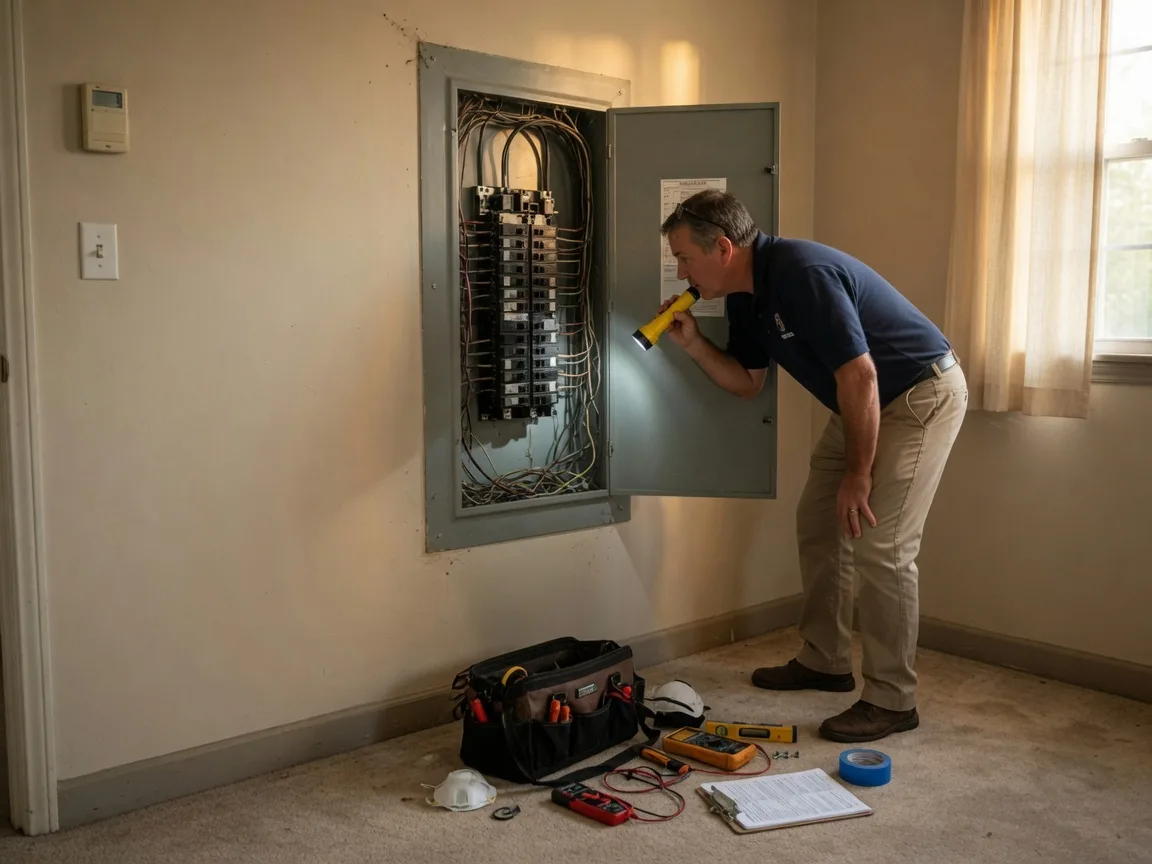
This is the most common problem. The executor never lived in the home and genuinely does not know about latent defects. A latent defect is a problem that is not visible during a casual walkthrough, such as a slow leak inside a wall, a foundation crack hidden behind baseboards, or deteriorating plumbing inside concrete slabs (common in Texas homes built between the 1970s and 1990s).
The fiduciary exemption is specifically designed to protect executors in this situation. An executor may not be liable for failing to disclose a defect they had no reasonable way to know about. The law does not require you to be clairvoyant [1].
That said, if you have any reason to suspect a problem, such as stained ceiling tiles that suggest a past roof leak, a musty odor that could indicate mold, or a crack in the foundation that you can see from the backyard, the safe practice is to disclose it. The exemption says you do not have to fill out the form. It does not say you should ignore visible signs of trouble.
Pre-Existing Conditions vs. Deterioration During Vacancy
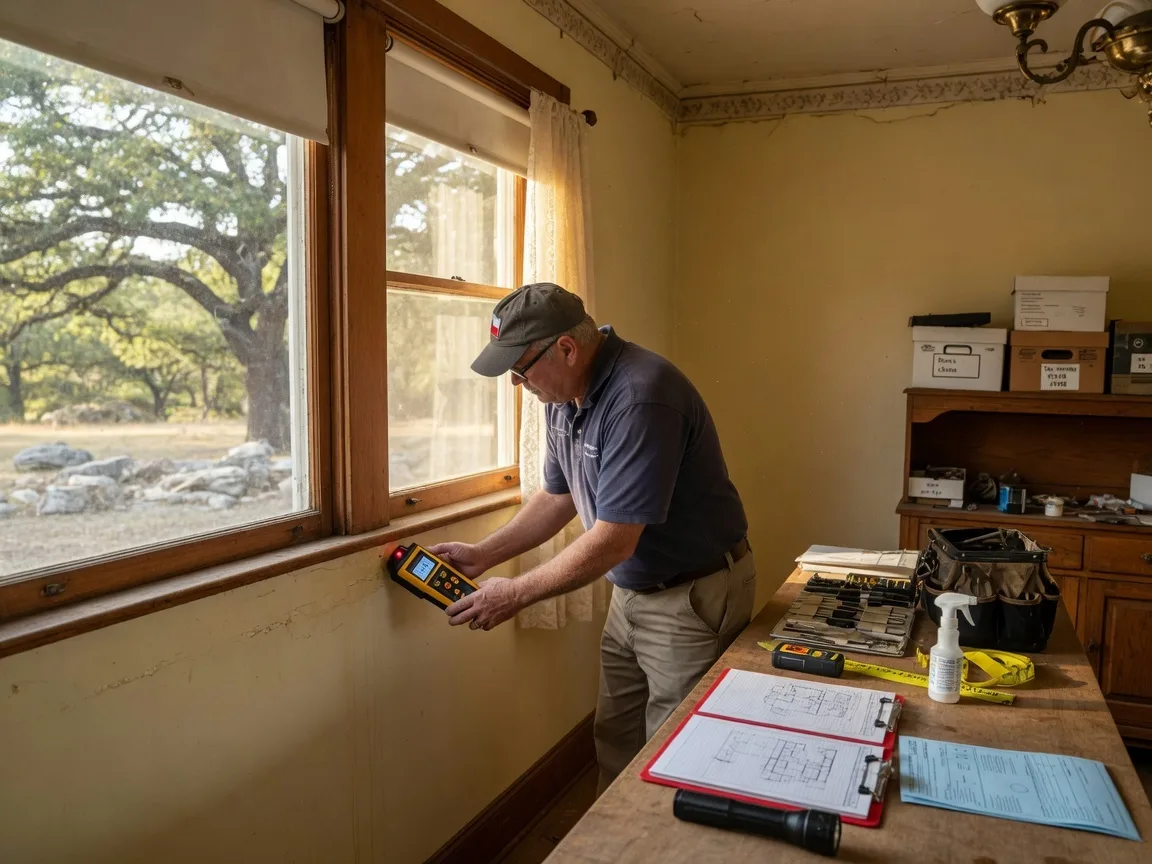
This is a subtle but important distinction. Some defects existed before the owner died. Others developed after death because the property sat vacant, such as a frozen pipe, a roof leak, mold in a humid Texas summer, or pests moving in.
Separate two questions. First, did the executor act prudently in protecting and monitoring estate property? Second, what information must be communicated to the buyer under the governing contract and applicable law? An executor who learns of a post-death leak, infestation, storm loss, or other material condition should promptly preserve the property, document the condition, notify appropriate insurers or professionals, and consult counsel about disclosure. The fiduciary exemption does not create a duty to discover every latent defect, but it also does not erase knowledge the executor actually acquires.
For a deeper look at the specific risks and costs of vacancy, see What Happens When a Probate House Sits Vacant in Texas?
Known but Undocumented Issues
A family member tells you: "Dad always said the garage flooded when it rained hard." A neighbor mentions: "We worried about that tree limb over the roof for years." The deceased left a handwritten note in the filing cabinet: "Call plumber about bathroom drain."
Secondhand information should not be ignored, but it should be preserved and described according to its source and level of certainty. A statement from a neighbor, a family recollection, an invoice, an insurance record, and an engineer's report do not carry the same evidentiary weight.
The executor should document who provided the information, when it was received, and exactly what was said or produced. The executor should then give the information to the estate attorney and real estate professional so they can decide whether it should be disclosed as a source-qualified statement, investigated further, or addressed through an inspection. Do not convert "a neighbor told me the garage may have flooded" into "the garage flooded," but do not bury the report either.
Prior Renovation or Repair Work Without Permits
Unpermitted work is common in older Texas homes, especially in rural areas and smaller Hill Country communities. A finished garage that was never permitted. A deck built without a city inspection. A bathroom added without the correct permits.
If you discover unpermitted work during the estate process, you have a disclosure decision. You are not required to investigate whether every improvement on the property had permits. But if you learn about unpermitted work through documents, conversations, or your own observation, that knowledge may be material to a buyer.
The disclosure approach is straightforward: "The estate is aware that the carport enclosure was constructed without permits. The estate has not applied for retroactive permits and makes no representation about the work's compliance with local codes." This puts the buyer on notice without the estate vouching for the work.
Environmental Hazards
Older Texas homes, particularly those built before 1980, may contain environmental hazards that create significant disclosure concerns:
- Lead-based paint. For most sales of covered housing built before 1978, federal law separately requires the seller to provide an EPA-approved lead-hazard pamphlet, disclose known lead-based-paint or lead-hazard information, provide available records and reports, and include the required lead-warning and acknowledgment language in the contract documents. The buyer must receive a 10-day opportunity to conduct a lead inspection or risk assessment unless the parties agree in writing to a different period; the buyer may waive that opportunity in writing. The current TREC lead addendum is Form 56-0, effective May 28, 2026. The estate attorney and broker should confirm whether any federal exemption applies to the particular property. A knowing violation may expose the seller to statutory damages and other enforcement consequences. Because the remedies depend on the violation and claim, this article should not imply that treble damages automatically follow every paperwork error [4].
- Asbestos. Common in homes built before the 1980s in insulation, flooring, and siding. Texas does not have a specific statutory disclosure requirement for asbestos, but known asbestos is a material defect that should be disclosed.
- Mold. A known mold problem is a material defect. If the deceased had a mold remediation company out last year, that knowledge is now yours. Texas also has a specific document requirement for completed mold remediation. If a mold-remediation certificate was issued for the property during the five years before the sale, the property owner must provide a copy to the buyer. The executor should search the decedent's records, email, insurance files, and contractor documents for any such certificate and give it to the estate attorney and title company.
- Radon. Texas has no statewide radon disclosure requirement, but the EPA recommends testing. If the executor has test results, they should be disclosed.
Must the Executor Disclose That Someone Died in the Home?
Texas Property Code §5.008 does not require a seller or seller's agent to disclose a death caused by natural causes, suicide, or an accident unrelated to the property's condition. That rule does not authorize a false answer to a direct question, and it does not address a death caused by a physical condition of the property, for example, carbon-monoxide exposure, electrocution, a structural failure, or another condition that may itself be material. When the circumstances are unusual or the buyer asks directly, obtain advice from the estate attorney before responding.
Foundation and Structural Issues
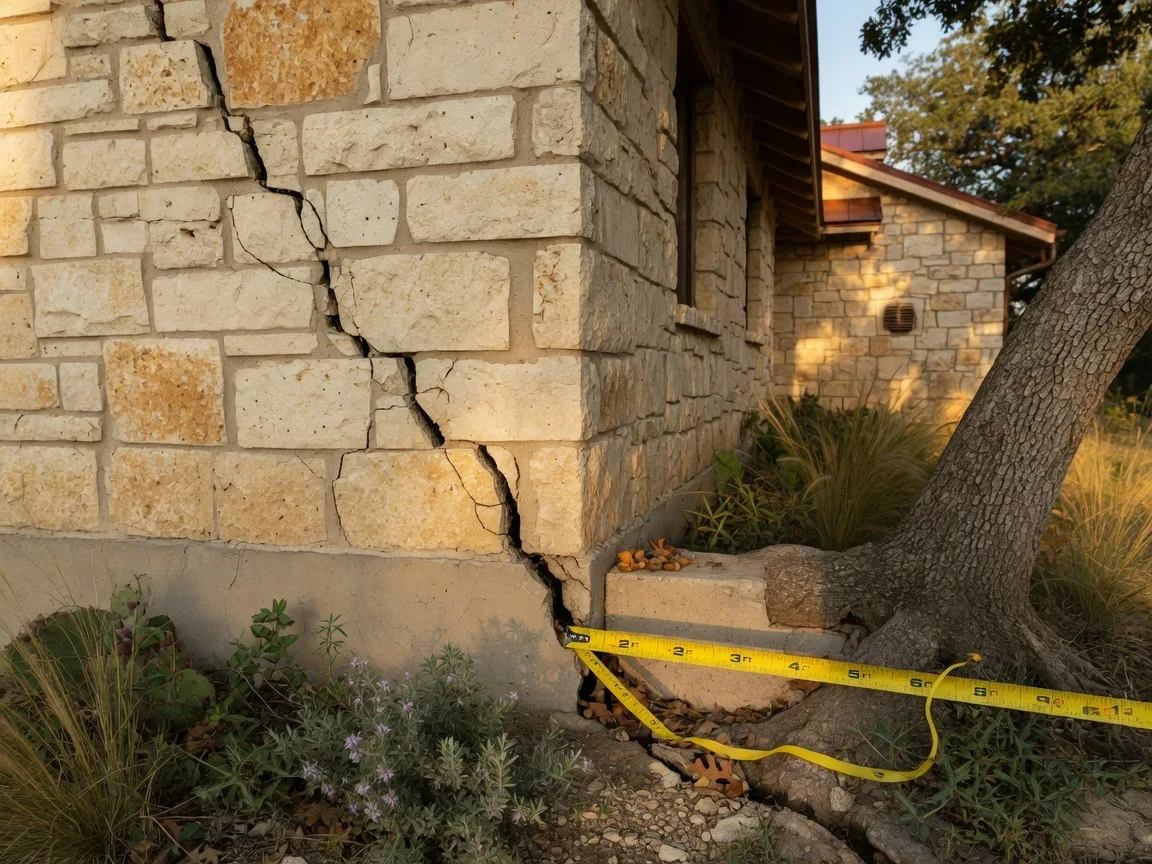
Foundation conditions vary substantially across Bexar, Kendall, and Comal counties. Some properties have expansive soils; others are influenced by shallow limestone, fill, slope, drainage, or site-specific construction conditions. Executors should describe observed cracking, movement, drainage, prior repairs, and available reports without diagnosing the cause unless a qualified professional has done so.
If the deceased had foundation work done, or if you can see visible signs of foundation movement (cracked sheetrock, doors that stick, sloping floors, gaps around windows), you have actual knowledge that needs to be addressed. You are not a foundation engineer, and you do not need to diagnose the problem's severity. But you do need to say what you see.
Well and Septic Disclosure
Private wells and on-site sewage facilities raise several distinct issues: known physical conditions, available maintenance or test records, local permitting requirements, contract provisions, and notices concerning water rights. The applicable documents vary by property type, location, and contract. Do not assume that the fiduciary exemption from §5.008 eliminates every separate notice or document requirement.
If records exist, collect well logs, water tests, pump or treatment invoices, septic permits, maintenance agreements, pumping records, and inspection reports. Describe known problems accurately and identify the source of any secondhand information.
Water rights disclosures are typically handled through Texas REALTORS member forms or custom contract addenda rather than a standard TREC form. The estate attorney and broker should determine whether a water-rights notice is advisable for the particular transaction.
For rural property, a pre-listing well-water test and septic evaluation may reduce surprises and improve pricing, but the scope, provider qualifications, and cost vary materially by county, system, acreage, and test requested. Obtain local written quotes rather than publishing a statewide estimate as though it were standard.
HOA and Condominium Disclosure Obligations
When property is subject to mandatory membership in a property owners association, the transaction may require subdivision information and a resale certificate under Texas Property Code Chapter 207 and the applicable contract addendum. The resale certificate can address regular and special assessments, unpaid amounts, pending litigation, known violations, transfer fees, and other association information. TREC Form 37-5 is a voluntary resale-certificate form, and TREC Form 36-11 is the current addendum for property subject to mandatory association membership.
Under Texas Property Code Chapter 207, the Homeowners Association is legally required to deliver the resale certificate within 10 days of a written request. Under Texas Property Code §207.005(a)(1), if an HOA fails to deliver the resale certificate within the statutory 10-day period, the owner's statutory damages are capped at $500. An additional civil penalty of up to $1,000 may apply under §207.005(b), but only if the owner sends a second formal written demand by certified mail or hand delivery after the initial 10-day window has expired, giving the HOA an additional 5 days to deliver the resale certificate. Without this second notice, the additional penalty cannot be collected. The buyer's statutory damages against the HOA are distinct and governed by separate provisions. Do not let an unresponsive HOA management company delay your closing; track the 10-day window strictly from the date your title company places the order.

Flood Zone and Insurance Disclosure
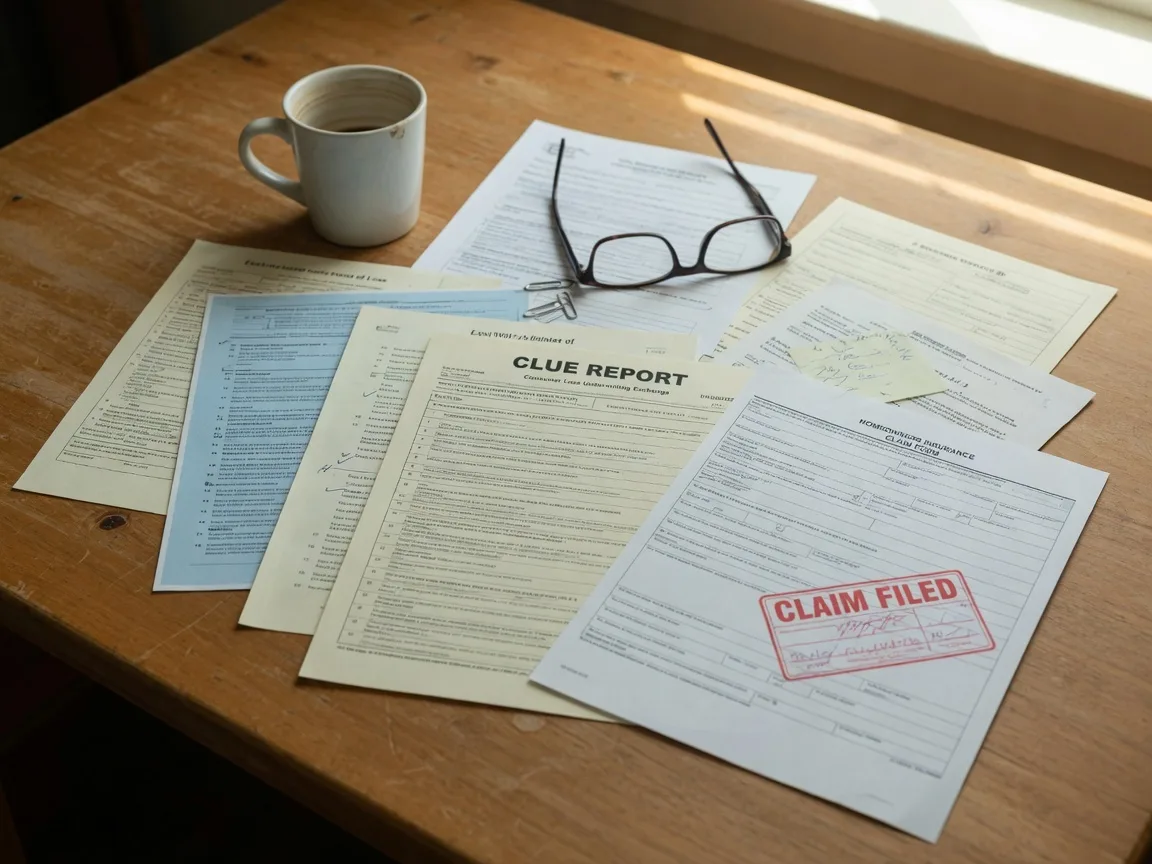
Flood history is a critical disclosure, particularly when executors lack personal knowledge of the property. While FEMA maps define risks, they don't cover all past flooding, and lenders often require insurance based on these maps, regardless of actual loss history. To fulfill disclosure duties, executors should request a 5-Year Loss History Report from the decedent's insurance carrier using their Letters Testamentary. This provides verifiable data on all insurance claims, helping avoid speculation and meeting transparency requirements without relying solely on public, often incomplete, maps.
The "As-Is" Sale and Its Interaction With Disclosure Obligations
Many estate properties are sold "as-is," meaning the buyer accepts the property in its present condition. While this protects the estate from repair costs, it does not remove disclosure obligations under Texas law. An "as-is" clause only shields against hidden defect claims if the buyer had a fair chance to inspect. However, this protection is invalidated if the seller engages in fraud or conceals known defects, such as old inspection reports or repair quotes (per Prudential Insurance Co. v. Jefferson Associates). To avoid litigation, executors must disclose all known documentation.
Buyer's Inspection Rights and the Executor's Disclosure Strategy
The standard Texas resale contract allows the parties to negotiate an option period and option fee. During a valid option period, the buyer ordinarily may conduct inspections and may terminate under the contract's option provision. The length, fee, inspection scope, and negotiation strategy vary by property and market.
The buyer's inspection process intersects with the executor's disclosure obligations in important ways. The inspection gives the buyer the opportunity to discover defects that the executor did not know about. If the inspection reveals a problem, the buyer can negotiate a repair credit, a price reduction, or walk away.
The risk for the executor is not that the inspection reveals something unknown. The risk is that the inspection reveals something that the executor did know but did not disclose. If a buyer's inspector finds a foundation crack, and the executor had seen that crack but said nothing, the buyer has grounds to terminate the contract (during the option period) or to seek damages (after closing).
A pre-listing inspection can improve pricing, reveal safety or preservation issues, and reduce surprises. It also creates reports and information that must be reviewed, preserved, and handled correctly. The decision should account for the property's condition, likely buyer, estate liquidity, expected sale method, and whether specialized evaluations (foundation, roof, septic, well, mold, pool, or other systems) would be more useful than a general inspection. Make the decision with the attorney and broker rather than treating an inspection as mandatory for every estate. Obtain written local quotes because inspection scope and cost vary by property size, age, location, systems, and requested testing.
For a detailed analysis of the repair-versus-as-is decision, see Fix Up or Sell As-Is? A Guide for Estate Executors in Texas and Should You Repair, Clean Out, Sell As-Is, or Wait?
Disclosure Alternatives for Executors
Executors sometimes hear about a "property condition affidavit" as an alternative to the Seller's Disclosure Notice. In the Texas probate context, there is not a single form called by that name. Instead, there are several related documents that serve similar purposes:
- TXR 2502, Notice of Information from Other Sources. This Texas REALTORS form is specifically designed for situations where the seller needs to pass along third-party information without vouching for its accuracy. It can be a useful tool for executors who have secondhand knowledge from insurance records, neighbor conversations, or family members.
- Attorney-prepared statement of known information. Counsel may recommend a limited written statement identifying specific observations, records, or source-qualified reports. The statement should be drafted carefully because any transaction document can become evidence and may create legal consequences. It should not contain warranties, diagnoses, or definitive denials unsupported by the executor's actual knowledge.
Survey documentation is a separate issue from property-condition disclosure. When an existing survey is furnished, the contract may call for a T-47 Affidavit or a T-47.1 Declaration concerning changes affecting the survey. The T-47.1 does not require notarization. However, Texas title companies routinely reject the T-47.1 from executors. Because an executor lacks firsthand knowledge of whether changes were made to the property boundaries during the decedent's ownership, title underwriter rules almost universally require a brand-new survey rather than accepting a T-47 or T-47.1 from an estate representative. Do not rely on these forms as a cost-saving shortcut. Plan for a new survey in the estate's budget.
The choice of which alternative to use should be made in consultation with the estate attorney. The right approach depends on how much the executor knows, whether the property is pre-1978 (triggering federal lead-paint disclosure), and how the purchase agreement is structured.
The Fiduciary Duty Dimension: Why Disclosure Strategy Matters
The executor's fiduciary duties run to the estate and its beneficiaries, not to the buyer. The executor nevertheless may owe separate duties to the buyer under the contract, applicable disclosure statutes, and laws prohibiting fraud or actionable misrepresentation. These two bodies of law can intersect: conduct that exposes the estate to a buyer claim may also support an allegation that the executor failed to administer the estate prudently.
Under Texas Estates Code Section 351.101, an executor must "take care of estate property as a prudent person would take of that person's own property" [6]. This includes the duty to handle the sale in a way that manages risk while maximizing the estate's value.
Clear, accurate, attorney-guided disclosure of known material information can reduce transaction risk, but disclosure alone does not automatically establish that every fiduciary obligation has been satisfied.
Hypothetical Scenarios: How Disclosure Problems Can Disrupt a Sale
The following hypotheticals combine recurring issues that can arise in estate-property sales. They do not describe identified cases, and the dollar amounts and outcomes are illustrative rather than reported settlements.
Scenario: The Undisclosed Foundation Crack
An executor in Dallas was selling her late mother's home in San Antonio. She had never lived in the house. She walked through it once after the death, noticed some cracks in the sheetrock near the windows, and assumed they were cosmetic. She priced the house based on comparable sales and accepted an offer.
The buyer's inspection revealed a significant foundation issue, and the buyer demanded a substantial credit. The executor argued she did not know about the foundation problem. The buyer's attorney pointed to a photo from the listing that showed a visible crack in the exterior brickwork that any reasonable person would have investigated.
Possible consequence: The estate could face settlement costs and closing delays. The executor's disclosure had said nothing about the crack because she was relying on the fiduciary exemption. The issue was not the statutory form. The issue was that she had actual knowledge of a visible condition and did not disclose it. Lesson: Observed visible conditions should be disclosed regardless of the exemption.
Scenario: The Well Water Nobody Tested
A family in Kendall County inherited a 1970s ranch home with a private well and septic system. The executor, a daughter living in Houston, listed the property without testing the well water or inspecting the septic. She was relying on the fiduciary exemption and had made minimal disclosures.
During the buyer's option period, the well water test showed elevated levels of nitrates and coliform bacteria. The septic inspection revealed a failing drain field. The buyer terminated the contract. The property sat on the market for months while the estate figured out what to do.
Possible consequence: The estate could lose significant value compared to the original contract. A pre-listing well test and septic evaluation could have identified the issues upfront and allowed the estate to either address them or price accordingly. Lesson: Pre-listing evaluations of well and septic systems can reduce surprises.
Scenario: The Voluntary Disclosure That Created Risk
An executor in Bexar County decided to fill out the Seller's Disclosure Notice even though she was exempt. She had lived in the home for a year providing care for her father before he died, so she felt she knew the property well. She checked "No" to the question about past flooding, honestly believing the house had never flooded.
After closing, the buyer discovered that the garage had flooded twice during major rain events years earlier. The buyer raised a claim, arguing that the disclosure notice was inaccurate. The executor had no way to know about the flooding because she had moved in after the floods occurred, but she had signed the form saying "No."
Possible consequence: The estate could face litigation costs and settlement pressure. The executor's attorney noted that if she had relied on the fiduciary exemption instead of voluntarily completing the form, she would have been exempt from the §5.008 statutory-notice requirement. By voluntarily providing the form, she made written representations that became evidence in the dispute. Lesson: The decision to complete the statutory form should be made with the estate attorney, not based on pressure from others.
Scenario: The Inspection That Was Never Completed
In Bynum v. Lewis (2021), the court affirmed that even when a seller is exempt from the statutory disclosure form, making partial, misleading oral or written statements about a defect still opens them up to common-law fraud and DTPA claims.
Lesson: Partial or informal representations can create legal exposure. If the exemption is relied on, the executor should confirm with the attorney that no affirmative statements have been made that could form the basis of a claim.

Practical Steps for Executors: How to Minimize Disclosure Risk
Here is a practical framework for managing disclosure risk. One approach is to work through these steps with the estate attorney before the property is listed.
Confirm the seller's capacity and applicable exemption.
Have the estate attorney and title company confirm whether the seller qualifies for the §5.008(e)(5) exemption or another exemption, and document the basis for that conclusion in writing [1].
Gather information from available sources.
Interview family members. Ask neighbors. Review the deceased's files and records. Ask the estate's insurance carrier or agent for available claim records, and ask the estate attorney what proof of authority is required before seeking any consumer insurance-history report. Each of these sources may give you material information [6].
Consider a pre-listing inspection, but evaluate the tradeoffs.
A pre-listing inspection can improve pricing, reveal safety issues, and reduce surprises. It also creates reports and information that must be reviewed and handled correctly. The decision depends on the property's condition, likely buyer, estate liquidity, and whether specialized evaluations would be more useful than a general inspection. The decision depends on the facts [5].
Identify every separate notice or document that may apply.
The fiduciary exemption does not eliminate other requirements. Confirm with the broker and attorney whether the transaction requires lead-based paint disclosures, HOA or condominium resale certificates, well/septic disclosures, water-rights notices, mold-remediation certificates, or other property-specific documents before listing.
Control statements made on the estate's behalf.
The executor should not allow family members, contractors, or agents to make unverified claims such as "never flooded," "foundation is sound," "roof has no leaks," or "everything is permitted." Review material property-condition statements in the listing, marketing materials, email responses, and contract documents. The listing agent also has independent licensing obligations concerning significant defects actually known to the agent. The agent should not complete or select the executor's answers on a seller-disclosure document. The executor and attorney must decide what the seller can truthfully represent.
Document what you knew, when you learned it, and what you disclosed.
Keep a dated log of your knowledge and disclosure actions. "July 1: Reviewed insurance claim file. Noted water damage claim from 2020. Disclosed to buyer's agent same day." If a dispute arises after closing, your contemporaneous records are important evidence [5].
Conduct a final disclosure review before closing.
Ask whether any new leak, storm loss, vandalism, system failure, insurance claim, inspection result, contractor report, HOA notice, or other material information arose after the property was listed or contracted. Notify the estate attorney, broker, and title company immediately if anything new has developed. Do not wait for closing and do not independently decide that the issue is immaterial.
Consult your probate attorney about the disclosure strategy before listing.
The decision whether to invoke the exemption, provide a limited written disclosure, use the TXR 2502 for third-party information, or take another approach should be made with legal guidance before the property goes on the market, not after a dispute arises [5].
For a comprehensive walkthrough of the executor's full set of responsibilities from authority through closing, see The Texas Executor Estate Home Sale Checklist.
Related Articles and Resources
This article on disclosure problems builds on several other resources on this site. Here is how they connect:
- Title Problems That Commonly Derail Probate Home Sales in Texas — Disclosure failures often go hand in hand with title problems. Read this for the full picture of what can go wrong before closing.
- Fix Up or Sell As-Is? A Guide for Estate Executors in Texas — The repair-or-sell decision is directly affected by what you know and what you must disclose about the property's condition.
- Should You Repair, Clean Out, Sell As-Is, or Wait? — The comprehensive strategic guide to deciding what to do with an inherited property.
- The Texas Executor Estate Home Sale Checklist — The complete 15-section checklist for executors, covering authority, property control, carrying costs, pricing, disclosures, and closing.
- Hill Country Homesteads Group — Bill Ross's brokerage site with additional resources for Texas Hill Country home buyers and sellers.
- Do Executors Have to Disclose Problems With a House They Never Lived In? — A companion article focused specifically on the "never lived in it" scenario and the §5.008 exemption.
Frequently Asked Questions
Can I as executor simply refuse to provide a seller's disclosure notice?
Possibly. Section 5.008(e)(5) exempts a transfer by a fiduciary made in the course of administering a decedent's estate, guardianship, conservatorship, or trust. The estate attorney and title company should confirm that the seller and the proposed transfer fit the exemption before the form is withheld.
What happens if I complete a seller's disclosure notice voluntarily as executor?
If you voluntarily complete and sign the Seller's Disclosure Notice, you may be held to those representations even though you were not required to provide one. The decision to use the statutory form should be made with the estate attorney rather than in response to pressure from a buyer or agent. Voluntarily providing the form does not automatically make the executor strictly liable for every defect later discovered. Liability depends on what the executor knew, what was represented, whether a statement was false or misleading, whether the buyer reasonably relied on it, and whether the statement caused damages.
Does selling "as-is" eliminate the executor's disclosure obligations?
No. An as-is provision tells the buyer the estate is not warranting the property's condition. It does not give the executor permission to conceal known defects. Sometimes selling as-is is the best option — see our guide. Under Texas law, an enforceable as-is agreement can negate the causal link between the property's condition and the buyer's claimed injury because the buyer accepts the risk of the bargain. That protection is not automatic. Fraudulent inducement, fraudulent concealment, or conduct that impairs the buyer's ability to inspect can prevent a seller from relying on the as-is language.
Are lead-based paint disclosures required for estate sales of pre-1978 homes in Texas?
For most sales of covered housing built before 1978, federal law separately requires the seller to provide an EPA-approved lead-hazard pamphlet, disclose known lead-based-paint or lead-hazard information, provide available records and reports, and include the required lead-warning and acknowledgment language in the contract documents. The buyer must receive a 10-day opportunity to conduct a lead inspection or risk assessment unless the parties agree in writing to a different period; the buyer may waive that opportunity in writing. The current TREC lead addendum is Form 56-0, effective May 28, 2026. The estate attorney and broker should confirm whether any federal exemption applies to the particular property.
What should I do if I learn about a defect after the buyer's option period has expired?
Notify the estate attorney, broker, and title company immediately. Preserve the report, photograph, invoice, communication, or other source of the new information. Do not wait for closing and do not independently decide that the issue is immaterial. Counsel should determine whether the information requires a supplemental disclosure, contract amendment, buyer acknowledgment, additional inspection opportunity, insurance notice, repair decision, or termination analysis. The expiration of the option period does not make a newly discovered problem safe to conceal.
Sources
- Texas Property Code §5.008. https://statutes.capitol.texas.gov/Docs/PR/htm/PR.5.htm#5.008
- TREC Seller's Disclosure Notice, Form 55-1, effective May 28, 2026. https://www.trec.texas.gov/forms/sellers-disclosure-notice
- Prudential Insurance Co. of America v. Jefferson Associates, Ltd., 896 S.W.2d 156 (Tex. 1995).
- 40 C.F.R. §§745.107 and 745.110 — Lead-Based Paint Disclosure Requirements.
- TREC Form 55-1 (Seller's Disclosure Notice), effective May 28, 2026. Texas REALTORS publishes a separate member disclosure form (Form 1406) addressing statutory requirements; form numbers and editions should be verified at the time of the transaction.
- Texas Estates Code §351.101 — Prudent Person Standard. https://statutes.capitol.texas.gov/Docs/ES/htm/ES.351.htm#351.101
- Texas Property Code Chapter 207 — Property Owners Association Disclosure. https://statutes.capitol.texas.gov/Docs/PR/htm/PR.207.htm
- Texas Property Code Chapter 82 — Condominium Resale Certificate Requirements.
- TREC Forms 36-11 (Addendum for Property Subject to Mandatory Membership in a Property Owners Association) and 37-5 (Resale Certificate).
- Texas Occupations Code §1958.154 — Mold Remediation Certificate Delivery Requirement.
- TREC's January 3, 2025 form-change notice concerning T-47.1 and mold-remediation certificates.
- TREC Lead-Based-Paint Addendum, Form 56-0, effective May 28, 2026.
- 13. Bynum v. Lewis (2021, Texas appellate opinion). https://google.com
- 14. Singh v. Ahmed, No. 09-23-00278-CV, 2026 WL 2712340 (Tex. App. — Beaumont May 21, 2026). https://google.com
- Texas Property Code §207.005 — HOA Resale Certificate Damages. https://statutes.capitol.texas.gov/Docs/PR/htm/PR.207.htm
Need help navigating an estate property sale?
I work with Texas executors and families to guide estate properties through the sale process from disclosure strategy to closing. Every estate is different. Let's talk about yours.