
If you are serving as executor or administrator of a Texas estate that includes a home, the single most important decision you will make is not about price, repairs, or which real estate agent to list with. It is about who you bring onto your team, and when. Selling a house during probate is fundamentally different from a standard real estate transaction. The legal framework is more complex, the timeline is less predictable, the disclosure obligations are unfamiliar, and the family dynamics are often more charged. No single person can handle all of that alone.
In a typical home sale, the seller has lived in the property, knows its history, controls the timeline, and makes decisions based on their own priorities. An estate sale is nothing like that. The person selling the property (the executor) may have never lived there. Before listing or contracting to sell, the family must determine who owns the property and who has authority to act. That answer may depend on the deed, will or trust, community-property or survivorship documents, a transfer-on-death deed, an enhanced life-estate deed, the probate order, the representative's letters, and the type of administration. Some homes pass outside probate. When the property is a probate asset, an independent executor generally has statutory power to sell unless the will or court order limits that power, while a dependent personal representative ordinarily must follow the court-supervised sale procedures in Texas Estates Code Chapter 356. The title may have gaps or liens that need resolution. The tax implications are different. And the beneficiaries, each with their own perspective on what should happen, are watching every decision.
This requires a team of specialized professionals who understand estate and probate transactions. Not just any probate attorney, any real estate agent, or any title company. You need professionals who know how estate sales work in Texas specifically. This article walks through each member of that team, what they do, when to bring them in, and how to make sure they work together effectively.
I have seen estate sales go smoothly when the right team is assembled early. And I have seen them fall into costly delays and family conflict when the executor tries to piece things together on their own or hires the wrong people. This guide is designed to help you get the team right from the start.
Three Immediate Priorities
The first steps do not have to occur one at a time. Contact probate counsel and the property insurer promptly, and take reasonable steps to prevent avoidable damage or unauthorized access. Before appointment, however, a person named as executor should not assume they can sign contracts, spend estate money, dispose of contents, or authorize a sale. Ask counsel what preservation measures are permitted and how emergency expenses should be documented.

This article provides general educational information about Texas probate real estate. It is not legal advice and does not create an attorney-client, broker-client, or fiduciary relationship. Texas probate procedures and requirements depend on the will, type of administration, court orders, title condition, and other facts specific to each estate. Consult qualified Texas probate counsel and appropriate tax, title, and real estate professionals before acting on any information contained here.
Why the Team Matters
Selling a home through an estate involves legal, tax, title, financial, and emotional layers that a typical home sale does not. The executor stands at the center of all of them, but they are not expected to be an expert in every area. The professionals on your team fill that gap.
Here is what makes estate sales different from standard transactions:
- Legal authority and ownership. Before anyone signs a listing agreement or sales contract, qualified Texas legal counsel should analyze who owns the property, who has authority to act, and whether a court order, co-owner signature, beneficiary participation, trustee action, or other approval is required. The title underwriter separately determines what evidence and documents it will require to insure the proposed transaction. Texas Estates Code Section 402.052 generally gives an independent executor power to sell estate property unless the will limits that power. A dependent administration generally follows the application, notice, hearing, report-of-sale, confirmation, and conveyance procedures in Chapter 356. A home owned by a trust or transferred through survivorship rights or a transfer-on-death instrument may not be a probate asset at all [1].
- Title complications. A property that has been in a family for decades may have unreleased mortgages, heirship gaps, liens, ownership discrepancies, or other title issues. These matters should be identified early and addressed in a manner acceptable to the title underwriter, the parties, and legal counsel. Depending on the issue, that may involve a release, payoff at closing, curative deed, affidavit, probate proceeding, court order, policy exception, or another underwriting solution [2].
- Tax obligations. The estate may owe income taxes (Form 1041), and the beneficiaries need to understand the step-up in basis rules under IRC Section 1014. Decisions about repairs and improvements can affect tax outcomes [3].
- Family dynamics. Multiple beneficiaries often have conflicting opinions about what to do with the property. The executor must navigate these disagreements while acting as a fiduciary for the estate as a whole [4].
- Insurance and property preservation. Vacant homes face special insurance rules and maintenance demands. A standard homeowner's policy may not cover a vacant estate property, leaving the estate exposed [5].
Each of these complexities calls for a specific professional skill set. The executor does not need to master all of them, but they do need to know who to call and when.
For a complete overview of the full probate estate sale process, see our Texas Executor Estate Home Sale Checklist.
Confirm Ownership Before Building the Sale Team
Before hiring contractors, ordering a clean-out, or signing a listing agreement, determine whether the home is actually controlled by the estate. Review the recorded deed, will, trust documents, marriage and divorce records, survivorship agreement, transfer-on-death deed, enhanced life-estate deed, probate order, and current letters. Also identify any co-owners, surviving-spouse homestead rights, minor or incapacitated children, tenants, occupants, mortgages, reverse mortgages, rights of first refusal, and property-owner-association obligations.
Texas law generally provides that a decedent's property vests at death in the devisees or heirs, subject to estate administration and payment of debts. Probate homestead protections can also restrict possession, partition, or sale. These questions require legal analysis. The title company determines what it will insure, but it does not replace the probate attorney or decide the parties' legal rights.
The Probate Attorney: Your First and Most Important Hire
The probate attorney is the cornerstone of the entire team. Every other professional on the estate sale depends, directly or indirectly, on the legal foundation the attorney establishes. This is not a person you bring in later. The probate attorney should be the very first professional you engage.

What the Probate Attorney Does
The attorney's role extends far beyond filing paperwork with the court. Here are the core responsibilities:
- Establishing and documenting authority. The attorney guides the applicant through opening the estate, admitting the will when one exists, obtaining appointment, qualifying, and receiving Letters Testamentary or Letters of Administration. The letters are evidence that the representative has qualified. The representative's actual power to sell depends on the will, the Estates Code, the court's orders, and whether the administration is independent or dependent [1].
- Will interpretation and guidance. If the will is unclear, the attorney advises the representative about the possible interpretations and available procedures. If the ambiguity affects ownership or the power to sell and cannot be resolved, a court may need to construe the will [1].
- Fiduciary guidance. The attorney helps the executor understand their fiduciary duties to the estate's beneficiaries and creditors. This includes avoiding self-dealing, making prudent decisions about estate assets, and keeping proper records [1][4].
- Court-supervised sales. In a dependent administration, the attorney determines whether a sale application is necessary, prepares the application under Texas Estates Code Section 356.251, and handles the additional notice, hearing, report-of-sale, confirmation, and conveyance requirements that apply. Section 356.251 begins the process; it should not be cited as if it alone supplies every required approval [1].
- Creditor notices. The attorney ensures that proper notice is given to creditors and that the estate's claim period is managed correctly. Unnoticed creditors can become title problems later [1].
- Heirship determinations. When intestacy, an incomplete disposition, or an unresolved succession issue creates uncertainty about ownership, the attorney determines whether a proceeding to declare heirship is authorized and appropriate under Texas Estates Code Chapter 202. Chapters 101 and 102 separately address descent, distribution, and the vesting of property at death [1].
How to Find the Right Probate Attorney
Not every estate planning attorney handles probate litigation or complex estate administration. Look for an attorney whose practice focuses on probate and estate administration, not just will drafting. Some key qualifications to consider:
- Experience with Texas Estates Code, particularly the sections governing independent and dependent administration, the powers of personal representatives, and the sale of estate real property
- Familiarity with the specific probate court in the county where the estate is being administered. Each court may have local rules and preferences
- Board certification in estate planning and probate law by the Texas Board of Legal Specialization, when available
- Experience working with real estate agents and title companies on probate property sales
Questions to Ask During the Initial Consultation
- What percentage of your practice is probate administration versus will contests or litigation?
- How familiar are you with the probate court in [county name]?
- Have you worked with title companies on probate real estate closings before?
- What is your fee structure for estate administration? Is it hourly, flat fee, or a percentage of the estate?
- How do you communicate with executors, and how often should I expect updates?
- Can you recommend a real estate agent, title company, or CPA experienced with estate sales?
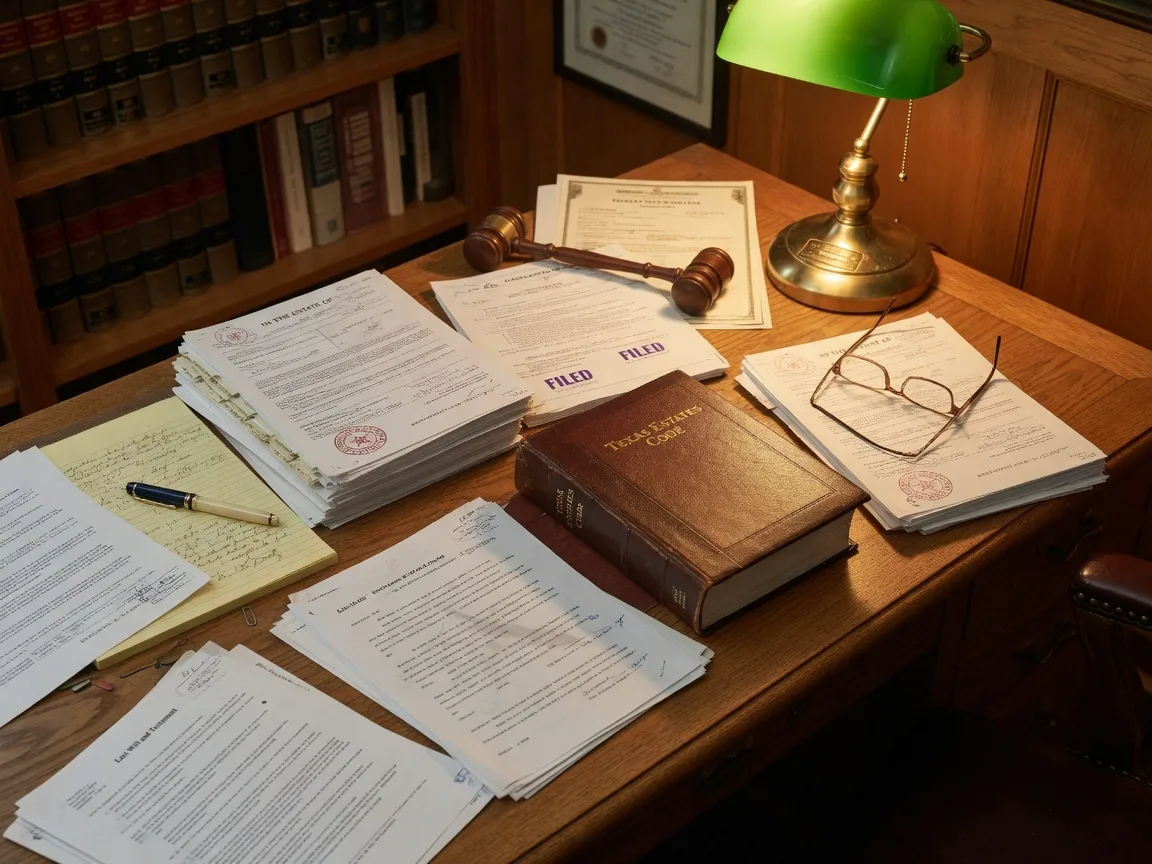
The Real Estate Agent: More Than a Listing
In an estate sale, the real estate agent's role goes well beyond putting a sign in the yard and running open houses. The agent you choose needs specific experience with probate and estate transactions. A general agent who handles mostly standard home sales may not understand the unique dynamics of an estate property.
What to Look for in an Estate-Experienced Agent
- Probate listing experience. Ask how many estate or probate properties the agent has listed in the past two years. They should be able to describe specific examples and outcomes.
- Understanding of fiduciary obligations. The agent should understand that the personal representative is acting in a fiduciary capacity and cannot evaluate an offer solely according to personal preference or the wishes of one beneficiary. Price is important, but financing strength, contingencies, closing risk, carrying costs, property condition, court or title requirements, and the estate's overall circumstances may also matter. The representative should evaluate offers consistently with the will, applicable law, court orders, advice of counsel, and the representative's duties in administering and preserving the estate [4].
- Experience with out-of-state executors. Many estate executors live outside Texas. The agent should be comfortable working remotely, providing virtual tours, coordinating inspections from a distance, and communicating clearly about market conditions.
- Pricing inherited properties. Inherited homes may have deferred maintenance, dated finishes, limited condition records, or occupancy complications. The agent should estimate value based on the property's actual condition, comparable sales, likely buyer pool, financing constraints, carrying costs, and proposed sale strategy. An inherited home does not automatically deserve an "estate discount."
- Handling emotional family dynamics. The agent may interact with beneficiaries who are grieving, emotionally attached to the home, or in conflict with one another. An experienced estate agent should communicate professionally, follow the authorized decision-maker's instructions, and avoid becoming involved in legal or family disputes.
The Agent's Role in Team Coordination
In many estate sales, the real estate agent becomes the operational hub of the team. They coordinate with the title company on preliminary title review, schedule inspections, manage showings, communicate with the probate attorney about timing and authority, and give the executor a realistic picture of the market. A good estate agent will proactively reach out to the probate attorney and title company early in the process to make sure everyone is aligned.
The right agent should understand the distinction between the statutory Seller's Disclosure Notice and the broader obligation to handle known material information honestly. Texas Property Code Section 5.008 generally exempts a transfer made by a fiduciary in the course of administering a decedent's estate from that particular statutory notice. The exemption is not permission to conceal known defects, make a misrepresentation, or ignore other federal, state, contractual, or common-law disclosure duties. The attorney and broker should determine which notices and disclosures apply to the specific seller, property, and transaction [7].
For more on this topic, see Disclosure Problems Executors Worry About Most and What Must an Executor Disclose About a House They Never Lived In?
The Title Company: Start Early, Not at Closing
One of the most common mistakes I see in estate sales is waiting until there is a signed contract to engage the title company. By then, a title problem that could have been resolved in weeks becomes a crisis that threatens the closing date. Ask an estate-experienced title agent early whether it will open a pre-listing file or conduct a preliminary curative review. Availability, documentation requirements, and charges vary. A title commitment is a contract to issue a policy subject to stated requirements and exceptions; it is not a legal opinion that the seller has perfect title.
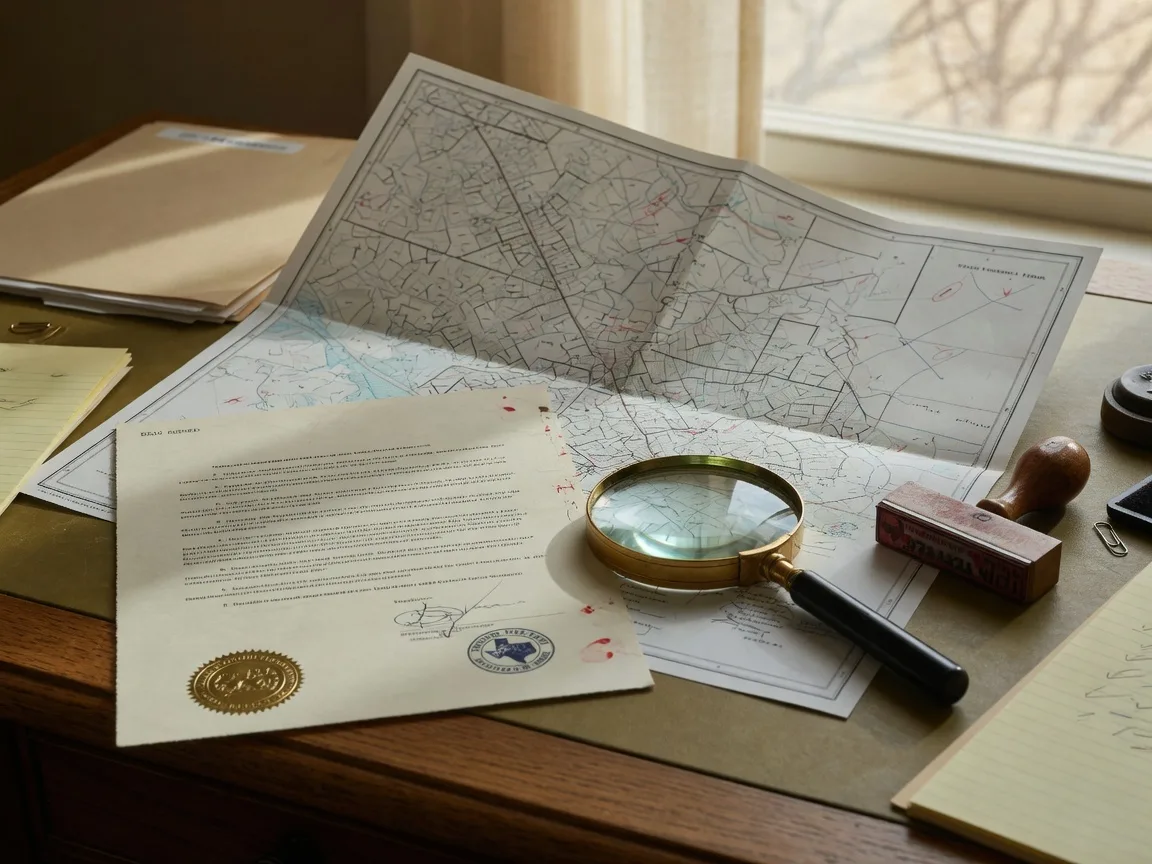
What the Title Company Does
- Title search and underwriting review. The title agent examines the public records and other required documents to identify the parties, liens, exceptions, and underwriting requirements relevant to the proposed transaction. In a probate sale, the title underwriter determines what evidence of ownership and representative authority it will require before issuing a title policy. Probate counsel, not the title company, advises the parties about their legal rights and the representative's authority [2].
- Lien identification. The title search identifies any outstanding liens — mortgages, property tax liens, judgment liens, mechanic's liens, HOA assessments — that must be addressed before the sale can close [2].
- Inheritance and authority requirements. When ownership may have passed through intestacy, a will, trust, survivorship arrangement, transfer-on-death instrument, or prior informal succession, the title underwriter determines what evidence, proceedings, documents, and signatures it will require to insure the proposed conveyance. Probate or other qualified Texas counsel advises the parties about ownership, heirship, and who has legal authority to sign [2].
- Government claims and tax liens. MERP means the Texas Medicaid Estate Recovery Program, not a marketable-title statute. If the decedent received qualifying Medicaid long-term-care services, the probate attorney should determine whether Texas Health and Human Services may present a claim and whether an exemption or hardship waiver applies. The title and tax team should also identify recorded federal or state tax liens and determine whether a federal estate-tax lien must be discharged. Texas Property Code Chapter 14 is the Uniform Federal Lien Registration Act; it is not a Marketable Record Title Act [8].
- Clearing title defects. When issues are found, the title company works with the attorney and executor to resolve them — whether through recorded releases, curative deeds, affidavits of heirship, or court orders [2].
Note on the title company's role. The title agent and underwriter identify underwriting requirements and decide what risks they will insure. They should not be described as giving legal advice or independently deciding the parties' legal rights. Probate counsel may need to prepare deeds, releases, affidavits, pleadings, or court orders. The executor should have the attorney review any proposed curative instrument before it is signed or recorded.
How to Choose a Title Company
Not all title companies handle probate transactions regularly. Some will take a conservative approach and require court orders that may not actually be needed under Texas law, adding unnecessary delay and expense. Others have experienced curative departments that know how to resolve common probate title issues efficiently.
Before selecting a title company, ask your probate attorney and real estate agent for recommendations. Look for a title agent that regularly handles estate-related transactions, will explain its pre-listing procedures and charges, and can obtain clear underwriting guidance on the documents likely to be required.
For a detailed look at the title issues that commonly arise, see Title Problems That Commonly Derail Probate Home Sales in Texas.
The CPA or Tax Professional
Tax considerations in estate sales are often overlooked until tax time, and by then, opportunities for strategic planning have passed. When the estate has income-tax filing obligations, basis questions, a property sale, significant taxable income or gain, portability concerns, or a possible estate-tax return, bring in a CPA, enrolled agent, tax attorney, or other appropriately qualified tax professional early in the administration.
Key Responsibilities
- Basis analysis. Under IRC Section 1014, property acquired from a decedent generally receives a basis equal to its fair market value on the applicable valuation date, subject to statutory exceptions. The adjustment can increase or decrease basis. If the property is sold soon after death for approximately its supported date-of-death value, the resulting capital gain or loss may be relatively small, although selling expenses and other adjustments must also be considered. For qualifying community property, IRC Section 1014(b)(6) generally adjusts the basis of both the decedent's half and the surviving spouse's half when at least one-half of the community-property interest is includible in the decedent's gross estate. A qualified tax professional should confirm the property's character, applicable valuation date, inclusion in the gross estate, and adjusted basis [3].
- Form 1041 filing. A domestic estate generally must file Form 1041 if it has gross income of $600 or more, has a nonresident-alien beneficiary, or meets another filing trigger stated in the current IRS instructions. Gross income is not the same as the gross sales price of the home. The tax professional determines whether the estate, the beneficiaries, or another owner reports the sale and issues Schedules K-1 when required [3].
- Tax treatment of sale expenses, repairs, and improvements. Do not assume that money spent on the house is automatically deductible. Capital improvements may increase adjusted basis. Selling expenses generally enter the gain calculation. Maintenance, repairs, carrying costs, and estate-administration expenses are governed by different rules, and their treatment can depend on whether the home was held for sale, rented, used by a beneficiary, or included in a taxable estate. Obtain case-specific tax advice before describing an expenditure as deductible [3].
- Property tax proration. The sales contract and closing documents ordinarily provide for property-tax prorations, which the settlement agent calculates using the available tax information. Because the current year's tax bill may not yet exist, the proration can be an estimate. An appropriately qualified tax professional determines how the taxes and any later adjustment should be reported [3].
- Federal estate-tax considerations. The federal basic exclusion amount is $15 million for estates of people who die in 2026, up from $13.99 million in 2025. Most estates will not owe federal estate tax, but gross-estate size, prior taxable gifts, portability, citizenship, and filing requirements still must be evaluated. If Form 706 or Form 706-NA is required and real property will be sold, the attorney and tax professional should determine whether an IRS estate-tax-lien discharge is needed [3][8].
When to Bring in a Tax Professional
Bring in an appropriately qualified tax professional when the estate has income-tax filing obligations, basis questions, a property sale, substantial taxable income or gain, proposed distributions with tax consequences, portability concerns, or a possible estate-tax return. Depending on the issue, the appropriate professional may be a CPA, enrolled agent, or tax attorney.
Obtain advice before making expenditures or distributions that could materially affect the estate's tax reporting. Waiting until a return is due may reduce the available planning and recordkeeping options.
The Property Manager or Estate Clean-Out Specialist
When the estate property needs to be secured, maintained, or cleared of personal belongings, a property manager or estate clean-out specialist can be essential. This is particularly true when the executor lives out of state or when the home contains decades of accumulated possessions.
When You Need One
- Securing the property. Change locks, check windows, secure garages and outbuildings, and make sure only authorized people have access.
- Routine maintenance. Mowing, edging, leaf removal, pool service, pest control, HVAC checks, and leak checks. Vacant properties deteriorate much faster than occupied ones.
- Clean-out and contents management. Do not begin with dumpsters. First photograph each room and major item, locate the original will and codicils, deeds, vehicle titles, tax records, account statements, insurance policies, business records, keys, digital devices, photographs, jewelry, collections, firearms, medications, and other property requiring special handling. Confirm who owns the contents and whether any item is specifically devised by the will. Keep an inventory of items sold, donated, retained, transferred, or discarded, together with receipts and photographs. Removing personal property, arranging estate sales for valuables, coordinating donations, and disposing of trash follow from that foundation [6].
How to Vet Clean-Out Professionals
A reputable estate clean-out company should carry liability insurance, provide a written contract with clear pricing, and be willing to work with the executor's schedule. They should also understand the importance of documenting the contents before removal. If valuables or important documents are present, the executor (or a trusted representative) should be on-site during the clean-out.
Cost expectations vary widely depending on the size of the property, volume of contents, and whether any items have resale value that can offset the clean-out cost. A partial clean-out (removing only trash and unsalable items) typically costs less than a full empty-out.
For more on this topic, see Probate House Clean-Out: The Problem Nobody Warns Executors About and Should You Repair, Clean Out, Sell As-Is, or Wait?

The Contractor or Inspector
One of the hardest decisions in an estate sale is whether to repair, improve, or sell as-is. A good home inspector and a reliable contractor can provide the information needed to make that decision.
Pre-Listing Inspection
A pre-listing inspection should be considered when the representative lacks reliable condition information, but it is not automatically the best choice for every estate. The decision should account for the likely buyer, sale strategy, property condition, cost, timing, and the fact that the resulting report may give the estate actual knowledge of defects that must be handled appropriately. In some as-is sales, targeted evaluations or contractor estimates may be more useful than a full inspection.
Specialized Inspections
Depending on the property's age, location, and known issues, the executor may need specialized inspections:
- Foundation inspection. Texas Hill Country soils can cause foundation movement. A structural engineer's assessment is more definitive than a general home inspector's visual observation.
- Roof inspection. An old or damaged roof is one of the most common buyer objections. Knowing the roof's remaining life helps the estate decide whether to replace, repair, or adjust the price.
- Septic system evaluation. For rural properties served by an on-site sewage facility, evidence of failure, maintenance problems, permitting issues, or an unknown system condition may justify evaluation by a qualified septic professional. Known material information should be reviewed with probate counsel and the broker to determine which statutory, contractual, federal, common-law, or other disclosure obligations apply [7].
- Well water evaluation. If the property relies on a private well and the water quality, system condition, or available records raise concerns, consider testing or evaluation by an appropriately qualified professional. Discuss any results with probate counsel and the broker to determine how they affect the sale, negotiations, and any applicable disclosure obligations.
- Mold inspection. If there are signs of water intrusion or the home has been closed up for an extended period, a mold inspection can prevent surprises during the buyer's due diligence.
The Contractor's Role
When visible conditions, records, an inspection, or a targeted specialist evaluation identify a possible problem, a qualified contractor can provide an estimate for proposed work. Separate health, safety, structural, financeability, and insurability concerns from cosmetic preferences. Whether work should be completed, credited, reflected in the price, or left for the buyer depends on the property, likely buyer, sale strategy, carrying costs, loan program, appraisal, insurer, and lender requirements.
For a detailed framework on making repair decisions, see Fix Up or Sell As-Is? A Guide for Estate Executors in Texas.
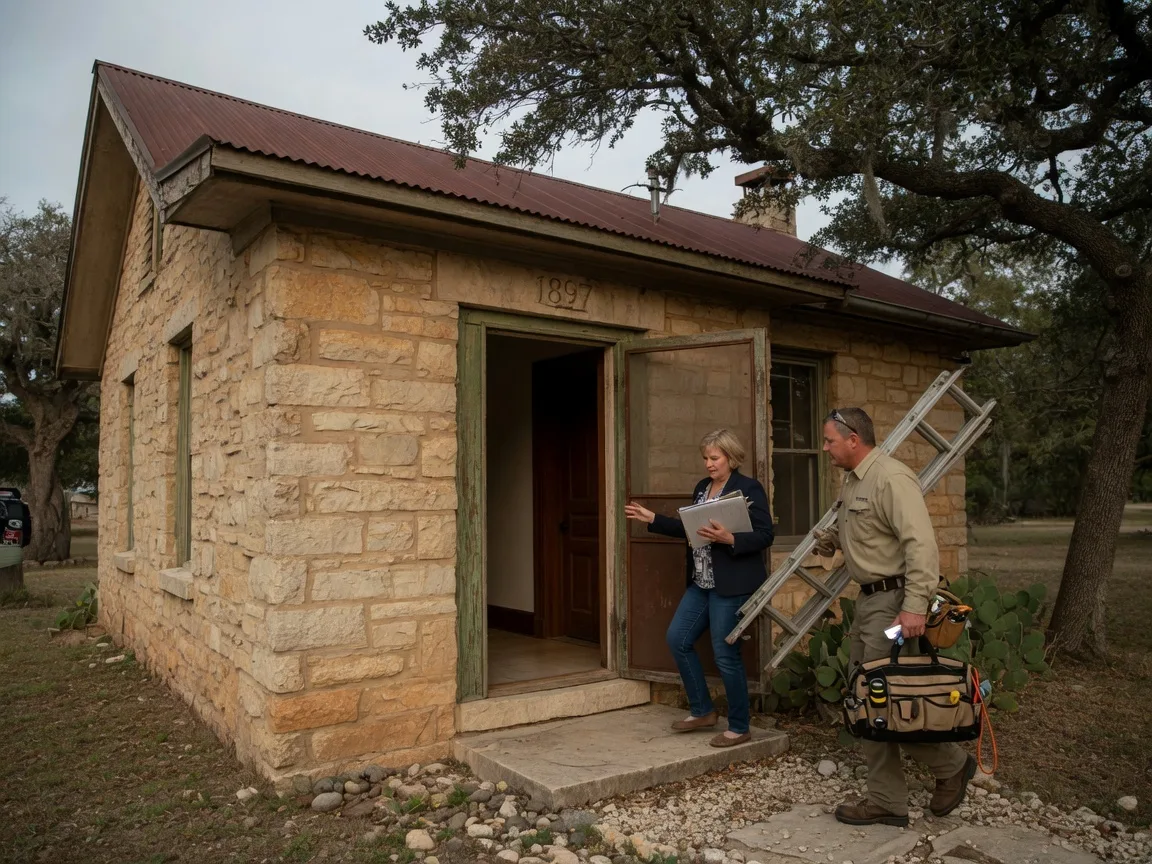
The Insurance Professional
Insurance is one of the most time-sensitive areas in estate administration. Many homeowners policies restrict or suspend portions of coverage after a specified period of vacancy, commonly 60 days, but the definitions, time periods, covered perils, and available endorsements vary by policy. The Texas Supreme Court has enforced policy language that ended dwelling coverage 60 days after the insured vacated the property. The executor should not assume that the decedent's policy automatically continues unchanged after death or a change in occupancy [5].

What the Insurance Professional Does
- Review current policy. Determine whether the decedent's homeowner's insurance policy remains in effect after death and whether it covers the property while the estate is being administered [5].
- Occupancy and vacancy coverage. Notify the insurer of the death, current occupancy, and intended use of the home. Ask the insurer to confirm in writing whether the existing policy remains effective, how the policy defines vacancy and unoccupancy, when any limitation began, which perils remain covered, and whether an endorsement or different policy is required [5].
- CLUE report. A Comprehensive Loss Underwriting Exchange report generally shows property claims reported during the preceding seven years. The property owner can request a free report; an executor may need documentation establishing authority. Buyers and real estate agents cannot simply obtain the report themselves. The report may reveal prior losses that warrant further investigation and may affect insurance underwriting [5][6].
The insurer may use a replacement-cost estimator or request a specialized valuation; this is different from a market-value real estate appraisal.
Don't Wait on Insurance
Contact the insurer promptly. Do not assume that coverage continues unchanged after a death or change in occupancy; policy definitions control, and a furnished but temporarily unoccupied home may be treated differently from a vacant property. If the decedent moved permanently before death, the relevant policy period may have begun earlier. Obtain written confirmation from the carrier or agent. For a complete discussion, see Vacancy Insurance on an Estate Home: What Executors Don't Know Can Cost Them.
The Appraiser
Not every estate sale needs a formal appraisal, but certain tax, court, title, valuation, or family circumstances may require or strongly justify one.
When an Independent Appraisal May Be Needed
- Court-supervised or disputed sales. A dependent administration requires compliance with Chapter 356, but do not imply that Texas law automatically requires a separate licensed appraisal for every sale. The court, attorney, underwriter, or facts of the case may require or justify one [1].
- Family disputes. If beneficiaries disagree about value, an independent appraisal can provide a licensed third-party opinion based on a stated effective date, purpose, scope, and set of assumptions. It does not resolve the parties' legal rights or bind beneficiaries unless an agreement, court order, or applicable procedure gives it that effect, but it may provide useful evidence for the representative, attorney, beneficiaries, or court.
- Tax basis documentation. A qualified retrospective date-of-death appraisal can provide strong evidence of the property's fair market value as of the date of death, particularly when the sale occurs much later, the property is unusual, or an estate-tax return is required. A prompt arm's-length sale may also be relevant evidence of date-of-death value [3].
Appraisal vs. Comparative Market Analysis (CMA)
A CMA, which a real estate agent can prepare, estimates the home's likely market position and sale price using comparable sales and current market conditions. An appraisal is a licensed appraiser's opinion of value prepared for a stated purpose and effective date. A formal appraisal may be appropriate for a federal estate-tax return, retrospective basis support, a beneficiary buyout, litigation, a court matter, or a disputed sale, but the attorney, tax professional, court, or other requesting party should identify the required valuation date, report type, and appraiser qualifications. For an ordinary listing-price decision, a CMA from an experienced agent may be sufficient.
Team Coordination: The Executor as Project Manager
Having the right professionals on the team is only half the equation. The other half is making sure they work together. The executor is the project manager, and while they do not need to micromanage each professional, they do need to establish clear systems for communication, decision-making, and documentation.

Communication Protocols
- Regular check-ins. Establish a rhythm of updates — weekly during active phases, monthly during slower periods. The real estate agent can often serve as the day-to-day coordinator.
- Shared information. Make sure the professionals receive the information relevant to their roles, including the representative's location, authority, deadlines, property occupancy, proposed sale strategy, and known title or condition concerns. Do not circulate attorney-client communications or confidential information beyond the people authorized to receive them.
- Document decisions. Keep written records of significant decisions, including pricing changes, repair approvals, offer evaluations, vendor selections, expenditures, and communications with beneficiaries. Ask counsel what records should be retained for the estate's accounting, court filings, tax reporting, and eventual distribution.
- Single authorized decision-maker. Beneficiaries should not independently direct the agent, title company, contractors, or other vendors unless the executor expressly authorizes it. Establish who may approve work, receive confidential information, and speak for the estate. The executor should also ask the attorney what communications should remain within the attorney-client relationship rather than being circulated to the entire team.
Vendor Controls
The executor should require written scopes of work, bids, contracts, proof of insurance, applicable license verification, invoices, receipts, and before-and-after photographs. Contracts should identify the executor in a representative capacity rather than implying personal ownership. Estate and personal funds should not be commingled. In a dependent administration, obtain the attorney's direction before incurring an expense or assuming that the court will approve reimbursement.
Verify attorneys through the State Bar of Texas; brokers, agents, and inspectors through TREC; appraisers through TALCB; CPAs through the Texas State Board of Public Accountancy; and insurance or title licensees through TDI. Texas does not issue a single statewide general-contractor license, so verify applicable trade licenses, local registrations, permits, insurance, references, and complaint history.
Timeline Management
Build a master timeline that includes:
- Legal milestones (court filings, creditor deadlines, hearing dates)
- Property security tasks (insurance transition, lock changes, maintenance schedule)
- Clean-out and contents deadlines
- Listing preparation steps (inspections, repairs, pricing decision)
- Court/title dependencies
- Carrying costs by month (taxes, insurance, utilities, HOA, maintenance)
This may sound like a lot, and it is. That is exactly why the right team matters. Each professional handles their piece, and the executor keeps it all moving in the same direction.
Common Team-Building Mistakes
Over the years, I have seen executors make a few recurring mistakes when building their team. Here are the ones to watch for:
- Hiring friends instead of qualified professionals. The family friend who "knows real estate" or the cousin who "does taxes" may not have the specific experience needed for estate transactions. The executor may face objections, surcharge claims, removal, or personal liability when losses result from a breach of duty, unauthorized conduct, self-dealing, improper distributions, or failure to protect estate property. A bad outcome by itself does not automatically create personal liability. Hire for expertise, not relationships.
- Waiting too long to assemble the team. The most common scenario I see is an executor who tries to handle everything alone for months, then discovers a title problem or tax deadline that could have been avoided with early professional involvement.
- Trying to do everything themselves. Executors sometimes feel they need to save the estate money by doing the work themselves. In most cases, this costs the estate more in the long run — through mistakes, delays, missed opportunities, and personal liability.
- Not communicating openly about the estate's constraints and goals. The probate attorney cannot advise effectively if the executor has not been transparent about the estate's financial situation, the timeline, or family conflicts. The real estate agent cannot price the property correctly if the executor has not shared the estate's priorities (quick sale vs. maximum price, for example).
- Skipping title review until there is a contract. This is one of the most preventable causes of delayed estate closings. Ask an estate-experienced title agent before listing whether it will open a pre-listing file or perform a preliminary underwriting or curative review. Availability, scope, documentation requirements, and charges vary by title agent and underwriter.
For a broader look at the most consequential executor errors, see 10 Costly Probate Home-Sale Mistakes Texas Executors Make.
Core Team and Conditional Specialists
When the home is a probate asset, the core team will commonly include Texas probate counsel, an estate-experienced real estate agent, a title agent and underwriter, and an insurance professional. If the property passes through a trust, survivorship arrangement, transfer-on-death deed, or another nonprobate mechanism, obtain legal advice appropriate to that ownership structure. Add a CPA or other qualified tax professional when the estate or owners have filing obligations, taxable income, basis questions, a significant gain, portability concerns, or a possible estate-tax return.
Other professionals should be hired only when the property or estate requires them:
- Personal-property appraiser or estate-sale company — before valuables, collections, jewelry, coins, art, firearms, or other potentially significant property are donated or discarded.
- Mortgage or reverse-mortgage servicer — to confirm balances, payment status, insurance requirements, foreclosure risk, and deadlines.
- Property manager or landlord-tenant attorney — when the home has tenants, unauthorized occupants, or family members who will not leave voluntarily.
- Surveyor — when the existing survey is missing, rejected, inaccurate, or inconsistent with fences, improvements, easements, acreage, or the legal description.
- Structural engineer, septic professional, well contractor, mold assessor, roofer, electrician, plumber, or HVAC contractor — when observations or records justify a specialized evaluation.
- Qualified appraiser — for a retrospective date-of-death value, court issue, beneficiary dispute, buyout, unusual property, or federal tax filing.
- Security, locksmith, pool, landscape, or preservation vendor — when the home will remain vacant or the representative lives elsewhere.
Quick Reference: Team Member Roles and Timing
The table below summarizes each team member, their primary role, when to engage them, and how fees are usually quoted.
| Professional | Primary Role | When to Engage | How Fees Are Usually Quoted |
|---|---|---|---|
| Probate Attorney | Analyze and document authority, guide the representative through appointment and administration, advise on fiduciary duties, and handle necessary court filings | Immediately — before signing contracts, disposing of property, incurring substantial expenses, or attempting to list or sell the home | Hourly, flat fee, or retainer. Obtain a written engagement letter describing scope, billing, expenses, and whether additional litigation or sale work is excluded. |
| Real Estate Agent | Price, market, show, and negotiate sale of the property; coordinate team | Before listing — ideally before pricing decision | Negotiable brokerage compensation stated in the listing agreement. Broker compensation is not set by law and is fully negotiable [9]. |
| Title Company | Title search, lien identification, escrow, closing, title insurance | Early in the process — ask before listing whether the title agent will open a pre-listing file or conduct a preliminary underwriting or curative review | Texas title-insurance premiums are governed by TDI's filed rate rules. Other potentially applicable charges — such as recording, survey, tax-certificate, delivery, curative, and permitted escrow or endorsement charges — depend on the transaction and applicable rules. Request a written estimate identifying each charge [2]. |
| Tax Professional | Tax planning, filing analysis, basis determination, sale reporting, and evaluation of the tax treatment of property-related expenditures | When the estate has filing obligations, a property sale, basis questions, substantial taxable income or gain, proposed distributions with tax consequences, portability concerns, or a possible estate-tax return — and before related major financial decisions | Hourly or project fee. Confirm whether the engagement includes the final Form 1040, Form 1041, K-1s, Form 706 or 8971 work, property-sale reporting, and responses to tax notices. |
| Insurance Agent or Carrier | Review existing coverage, occupancy status, vacancy or unoccupancy provisions, available endorsements, and replacement-policy options | Promptly after the death or any change in occupancy, because policy-specific restrictions may already apply | Premiums depend on occupancy, condition, location, limits, deductibles, prior claims, and covered perils. Obtain written confirmation of coverage and a written quote for any endorsement or replacement policy. |
| Clean-Out Specialist | Secure, clean out, inventory personal property | Before listing — after contents plan is decided | Written project, hourly, or volume-based bid. The contract should explain disposal fees, donations, estate-sale proceeds, salvage credits, valuables, and change orders. |
| Home Inspector | Evaluate visible property conditions and identify issues that may justify further specialist review | Before listing — when a pre-listing inspection supports the selected sale strategy; targeted evaluations may be preferable in some transactions | Fees vary according to property size, age, location, and inspection scope. Specialized systems and ancillary testing usually cost extra. |
| Contractor | Estimates and scopes for proposed repairs, maintenance, or property-preservation work | As needed — when visible conditions, inspection findings, records, or the proposed sale strategy justify repair estimates or work | Itemized fixed-price or time-and-materials bid. Verify insurance, applicable licenses, permits, warranties, payment schedule, and change-order terms. |
| Appraiser | Formal valuation for court, tax, or dispute resolution | When needed — court requirement, dispute, or basis documentation | Project fee based on property type, valuation purpose, effective date, and report scope. Specify whether a retrospective date-of-death valuation is required. |
Step-by-Step Checklist for Assembling the Team
Here is a practical sequence for building your estate sale team, in order of priority:
- 1 Engage qualified Texas probate counsel. Counsel can determine which proceeding is appropriate, guide the applicant through appointment and qualification, explain the resulting authority and limitations, and advise the representative before contracts, dispositions, substantial expenditures, or a proposed sale.
- 2 Contact the insurance agent or carrier. Report the death, current occupancy, and intended use of the property. Request written confirmation of whether the policy remains in effect, how it defines vacancy and unoccupancy, which coverage restrictions apply, when any relevant period began, and whether an endorsement or replacement policy is needed.
- 3 Ask an estate-experienced title agent about early title review. Determine whether the title agent will open a pre-listing file or perform a preliminary underwriting or curative review. Provide the documents it requests and identify potential title requirements early enough to address them before closing. Availability, scope, charges, and the underwriter's final requirements vary.
- 4 Hire an estate-experienced real estate agent. Ask the attorney for recommendations. Interview agents with specific probate/estate experience.
- 5 Determine whether a tax professional is needed. If the estate has income-tax filing obligations, a property sale, basis questions, substantial income or gain, proposed distributions, portability concerns, or a possible estate-tax return, consult a CPA, enrolled agent, tax attorney, or other appropriately qualified tax professional before making major financial decisions.
- 6 Secure the property and plan the clean-out. Change locks, arrange maintenance, and decide how to handle the contents before you market the property.
- 7 Decide whether a pre-listing inspection or targeted evaluation supports the sale strategy. Consider the property's apparent condition, the representative's existing knowledge, the likely buyer, financing issues, cost, timing, and whether a full inspection or targeted contractor and specialist evaluations would be more useful. Discuss with the attorney and broker how newly discovered defects should be handled.
- 8 Decide whether contractor estimates are needed. If visible conditions, records, inspection findings, or the proposed sale strategy justify estimates, obtain written scopes and pricing from qualified contractors. Evaluate whether proposed work should be completed, credited, reflected in the listing price, or left for the buyer.
- 9 Determine whether an independent appraisal is required or useful. Ask counsel and the tax professional whether a court requirement, federal tax filing, retrospective basis issue, beneficiary buyout, disputed value, unusual property, or other circumstance requires or justifies an appraisal. If one is needed, specify the valuation purpose, effective date, report type, and required appraiser qualifications before placing the order.
- 10 Establish the communication plan. Set expectations with every team member about updates, decision-making, and documentation. Make sure everyone has the same understanding of the estate's goals.
For the complete 15-section executor checklist covering every aspect of the estate home sale, see The Texas Executor Estate Home Sale Checklist.
Frequently Asked Questions
Who should an executor hire first when selling an estate home in Texas?
Qualified Texas probate counsel should be among the first professionals contacted when the home is or may be a probate asset. Counsel can determine which proceeding is appropriate, guide the applicant through appointment and qualification, explain the representative's authority and fiduciary duties, and identify any court approval or other legal requirement affecting the sale. The insurance agent or carrier should also be contacted promptly because a death or change in occupancy may affect coverage under the specific policy.
Does the executor need a special kind of real estate agent for a probate sale?
Not a special license, but an agent with specific experience in estate and probate transactions is strongly recommended. These agents understand how to price inherited properties (which often require adjustments for deferred maintenance and limited condition knowledge), coordinate with probate attorneys and title companies, handle family dynamics, and navigate the specific disclosure rules under Texas Property Code Section 5.008.
Can an executor sell an estate home without hiring a probate attorney?
Texas law does not impose one universal rule requiring every independent executor to retain an attorney for every act. However, a nonlawyer representative may not be permitted to represent the legal interests of an estate, beneficiaries, or other parties in court, and individual courts may have applicable representation and filing requirements. A real-property sale can also involve authority, homestead rights, creditors, deed preparation, title requirements, taxes, and fiduciary duties. An independent executor may have power to sell without an additional sale order, while a dependent representative generally must comply with Texas Estates Code Chapter 356. Obtain advice from qualified Texas probate counsel before signing a listing agreement or sales contract.
When should the executor bring a tax professional into the estate process?
Bring in an appropriately qualified tax professional when the estate has income-tax filing obligations, basis questions, a property sale, substantial taxable income or gain, proposed distributions with tax consequences, portability concerns, or a possible estate-tax return. Relevant issues may include IRC Section 1014 basis, Form 1041, who reports the property sale, capital gain or loss, Schedules K-1, and the tax treatment of selling expenses, repairs, improvements, maintenance, and administration costs. Those expenditures are not automatically deductible, and their treatment depends on the facts. Depending on the issue, the appropriate professional may be a CPA, enrolled agent, or tax attorney.
How does an executor coordinate multiple professionals working on an estate sale?
The executor acts as the project manager. This means establishing clear communication protocols (regular check-ins, shared document systems, a written timeline with key milestones), documenting all decisions in writing, making sure every professional has the same information about the estate's goals and constraints, and keeping beneficiaries informed. The real estate agent often serves as the day-to-day coordinator among the team, but the executor retains ultimate decision-making authority and fiduciary responsibility.
Sources
- Texas Estates Code, including Section 351.052, Chapter 356, Section 402.052, and Chapters 101, 102, and 202.
- Texas Department of Insurance, Title Insurance FAQ and Basic Manual; Texas Property Code Chapters 12-14.
- IRS, Form 1041, Publication 559, and 2026 estate-tax exclusion.
- Texas Estates Code Section 351.101, Care Required of Personal Representative.
- TDI Home Insurance Guide; Greene v. Farmers Insurance Exchange, 446 S.W.3d 761 (Tex. 2014).
- NAR estate/probate clean-out guidance and CLUE-report guidance.
- Texas Property Code Section 5.008.
- Texas HHSC Medicaid Estate Recovery Program; IRS sale of property subject to estate-tax lien.
- Texas Real Estate Commission, "What Changes in 2026 About Buyer/Tenant Representation in Texas."
Disclaimer: This article is for educational and informational purposes only. It does not constitute legal, tax, insurance, or title advice and does not create an attorney-client, broker-client, or fiduciary relationship. Texas probate and real estate procedures depend on the facts of the estate, the will or other ownership documents, the type of administration, court orders, title conditions, and the proposed transaction. Consult qualified Texas legal counsel and the appropriate tax, title, insurance, and real estate professionals before acting.